Catherine Hardwicke’s 'Street Smart' Is a Living Portrait of Venice Beach
By Natalie McCarty
At the 16th annual Catalina Film Festival, Street Smart made its West Coast premiere, where Catherine Hardwicke was also honored with the festival’s Career Tribute Award—a fitting recognition for a filmmaker whose expansive work has rarely stayed in one lane, but has consistently returned to people searching for where they belong.
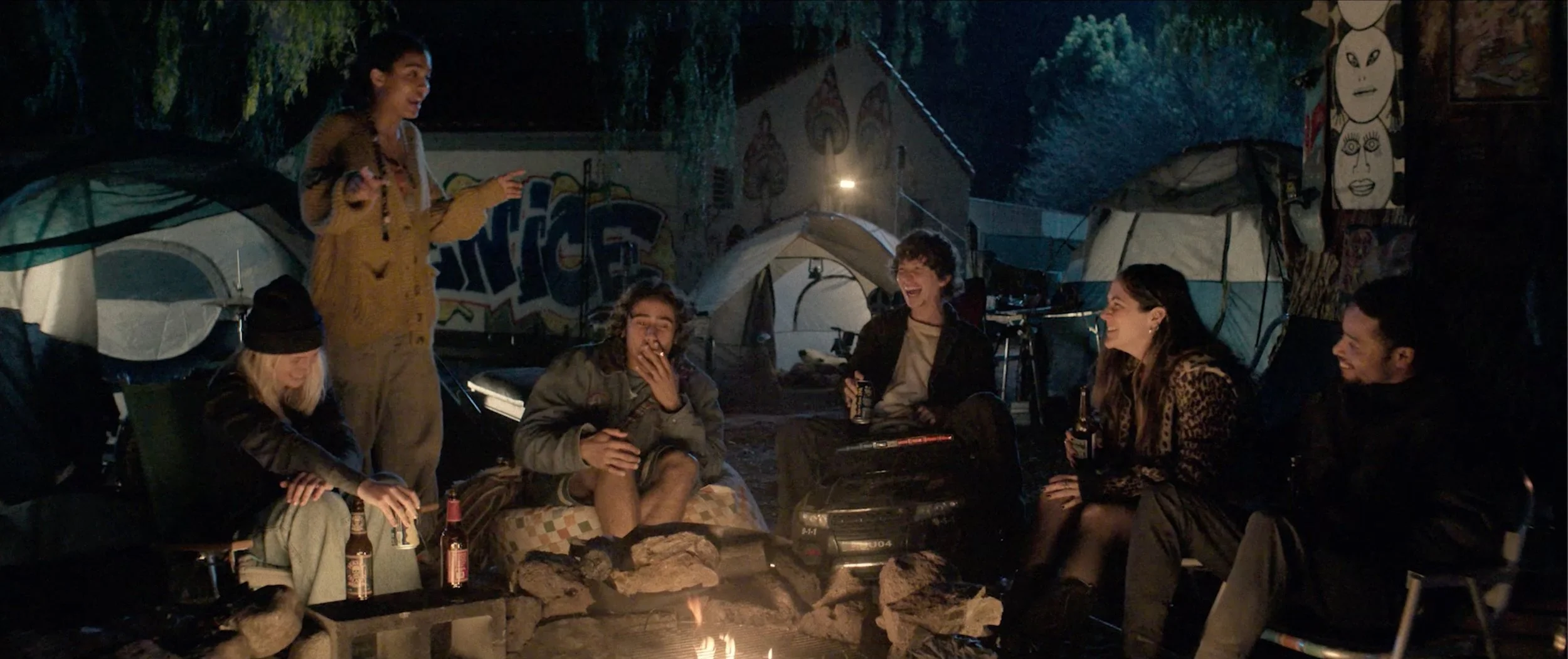
From the raw adolescence of Thirteen to the rebellious skate culture of Lords of Dogtown and the highly stylized world of Twilight, Hardwicke has built a career around outsiders, restless young people, complicated families, and characters pushing against the boundaries of the worlds they've been given. In Street Smart, that search takes place in Venice, among a group of unhoused skaters, artists, and musicians who form a makeshift found family and rely on humor, loyalty, and “Robin Hood-style” resourcefulness to survive.
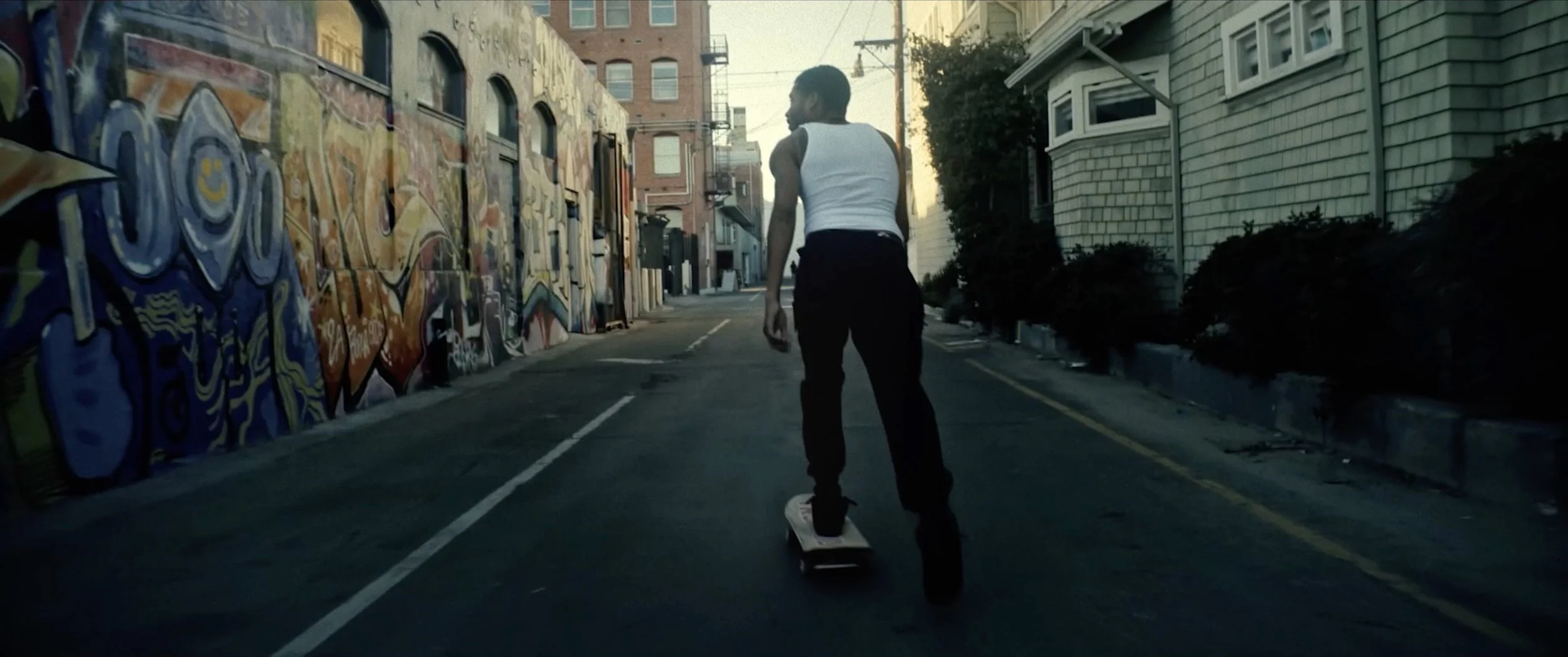
Venice is where beauty and struggle have always existed almost casually beside one another. It can be glossy and rough within the same block, or, as Hardwicke puts it, “a place where multimillion-dollar homes can sit within view of people who don't have a home at all.” It is full of artists, people trying to become artists, people who have fallen out of one life and are trying to build another. Street Smart understands that contradiction from inside the community, using Venice as the backdrop for a web of relationships between people whose lives might otherwise never intersect.
Street Smart (2026)
Living in the beach town herself, Hardwicke describes the film as “kind of a love letter to Venice,” but that affection isn't blind to the neighborhood's harder realities. During COVID, she watched people living in tents near her home and began hearing stories about what it meant to live without consistent access to bathrooms, safety, or privacy. Some had aged out of foster care, been kicked out of their homes, or found themselves living in environments that had become hostile to them. For Hardwicke, the question wasn't simply how to depict homelessness, but how to look at the people living through it without allowing their circumstances to become the entirety of who they are.
For Hardwicke, that meant giving the people at the center of Street Smart room to exist beyond their circumstances. “I wanted to have a safe space for these characters,” she said. “They have their own styles, their own dreams, their own desires.” Rather than turning those lives into social-issue shorthand, Hardwicke wanted to make room for the full range of them—the anger and the humor, the recklessness and the tenderness, the mistakes and the possibility of change. “We need to give people a group hug,” she said, “and think outside of our comfort zones.”
Street Smart (2026)
The screenplay, co-written by Hardwicke and Nic Sheff, whose work includes Beautiful Boy, is populated by extraordinarily talented and resilient individuals who don't fit neatly into the worlds around them but who forge their own path.
The process of making it reflected that philosophy. Before filming, the cast spent significant time together simply becoming comfortable with one another. They weren't being asked to manufacture the feeling of a found family before they'd even met; they actually had time to build something. Isiah Hilt, who had never made a movie before and had never experienced a film set, showed the cast around the beach. He knew how important that familiarity could be. Coming from Compton, he said people where he's from can be closed off about their problems until they feel safe enough to open up.
That safety became especially important because Hardwicke wasn't treating the actors' lives as material to be kept outside the screenplay. Hilt told her things about his own experiences, including stories about his father, and pieces of that history found their way into the film. For someone acting for the first time, the experience became unexpectedly intimate. He described it as a kind of therapy, a chance to express things he might not otherwise have known how to express. “I was blinded by the love and the comfort feeling,” he said. “Everything just came naturally.”
The relationship between director and actor mattered as much as the performance itself. Hilt wasn't arriving with years of film-set technique; Hardwicke wasn't asking him to imitate one. She gave him a place where his own instincts could become part of the character. That distinction is important throughout Street Smart: the film doesn't feel as though it is trying to make its cast disappear into an idea of what these people are supposed to look like, but truly lets one bring something of themselves into the room.
For Miles McKenna, that kind of openness was one of the first things that made the project feel different. “She tells so many different stories in one go,” he said of Hardwicke. “It's like an orchestra of so many different stories overlapping.” He had been looking for a trans story that felt familiar to his own experience but wasn't simply repeating something he'd already seen on screen. When he read the scene between Leo and Ali before auditioning, he recognized the dynamic immediately—not as a manufactured movie conflict, but as the kind of authentic conversations trans people actually have.
What interested him was that the scene could work in both directions. It could show a trans person how to navigate an uncomfortable conversation, but it could also show someone who isn't trans how not to make that conversation unnecessarily violating. McKenna saw an opportunity for the film to do something that movies can sometimes do better than direct instruction: let people witness a human interaction before they have to figure one out themselves.
“This is a great time for art to now be that teacher,” he said, “so that kid watching it doesn't have to.”
That idea came with a real sense of responsibility for McKenna. He talked about living in a moment when people are increasingly comfortable being openly against trans people and trans rights, while people who support trans communities without having that lived experience can sometimes become afraid to speak at all because they're worried about saying the wrong thing. What mattered to him was that Street Smart wasn't made from a distance. Hardwicke, Sheff, and the rest of the team listened to people who had actually lived these experiences, including McKenna and Hilt, and were willing to change lines or behavior to reflect that.
For McKenna, that willingness to listen is inseparable from what it means to make a good film. He calls Hardwicke “a pioneer, a creator, and a collaborator,” but he also believes filmmaking requires something outside of craft. “To be a good filmmaker,” he said, “you also have to be a good documentarian and a good person in the world.”
“You have to pay attention to people. You have to be willing to notice when the thing you've written doesn't match the person standing in front of you, and you have to be willing to let that person change the work.”
“I think peers listen to peers,” McKenna said, explaining why he hopes other people working in the industry will see Street Smart and feel encouraged to take risks on stories they might otherwise consider too small, too difficult, or too outside the mainstream. His larger point was that change in filmmaking doesn't always begin with an institution deciding what audiences should care about, but actually begins with one person seeing another person's story and deciding it is worth making.
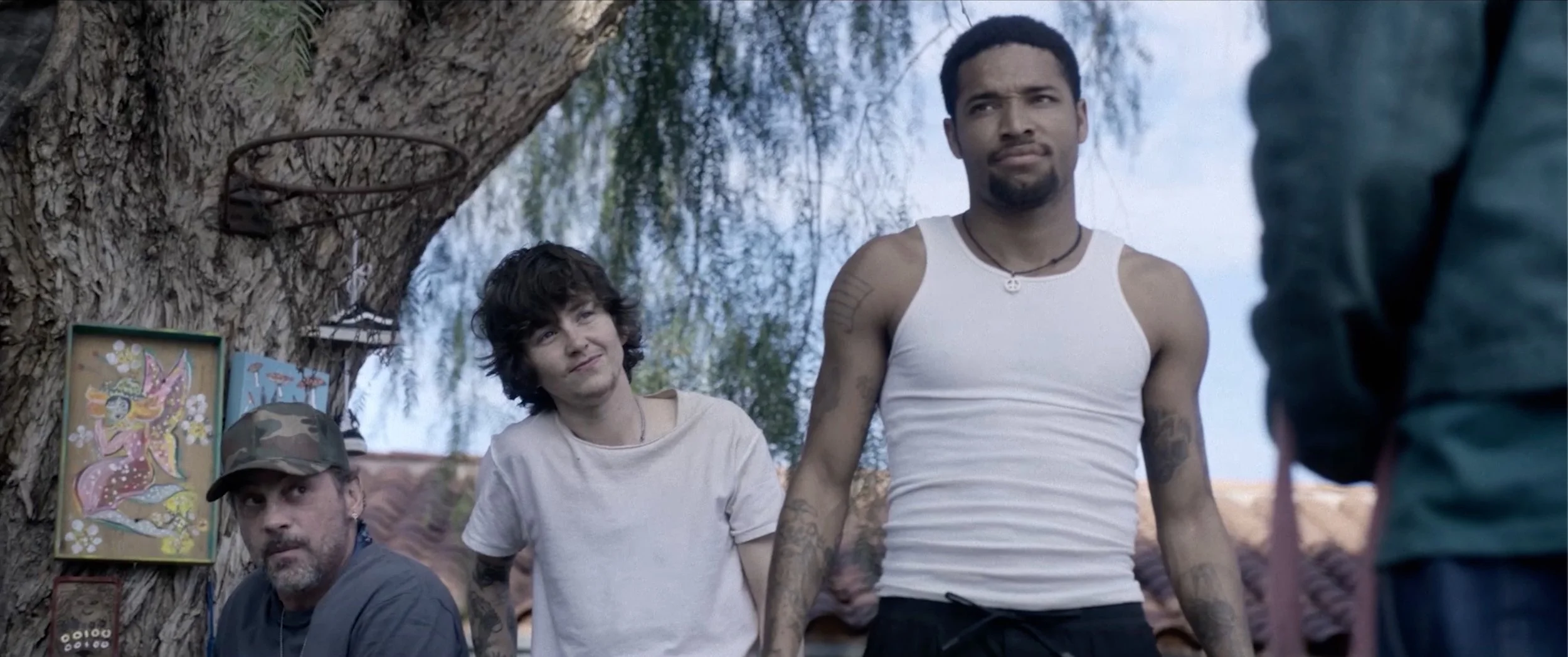
Street Smart (2026)
Hilt's experience of the film is broader still. What he sees in Street Smart isn't only a movie about unhoused people, or a movie about queer people, or a movie about people surviving through circumstances most viewers might never experience themselves. “Everybody can relate to this movie,” he said. People of any orientation or background, individuals with anger issues, people who ran away, drug users and drug sellers. The film doesn't condone destructive behavior, but Hilt doesn't think the people who engage in it should become disposable either. What interests him is the possibility of a different mindset, of someone realizing that the way they have been living isn't the only way they have to live.
That was also where he felt the film succeeded in avoiding stereotypes. “People who touch the [LGBTQ+] topics, they go over the top,” he said, describing the tendency to make those characters either too funny or too serious, to announce the subject instead of letting people simply exist inside it. “Cat did it in the most rawest form.”
“Doing it right includes a lot of love,” Hilt said. “And you can see Cat's love in the film.”
That love extends to the way people are allowed to be imperfect. The characters argue. They say things they shouldn't. They hurt one another, and then they come back together. There isn't a clean lesson that makes conflict disappear. Hilt kept returning to that as one of the things that felt most honest about the movie. “That's life,” he said. “It's a journey.”
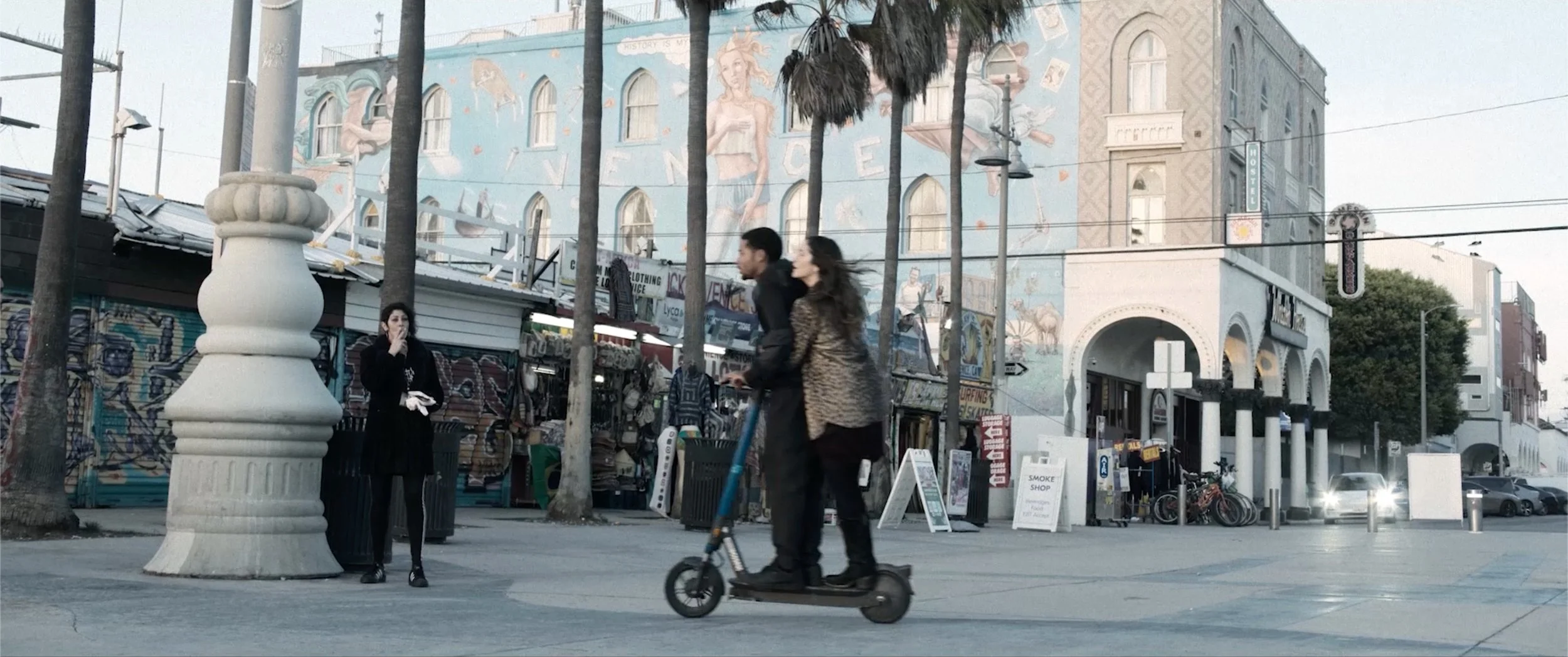
Street Smart (2026)
Hardwicke's visual language begins with the physical world itself, and her background in architecture and design informs the way she thinks about the spaces her characters inhabit. She didn't build Venice around the characters. There were relatively few sets; the camp was created, but much of the movie was filmed in the real neighborhood. Even the season became part of the aesthetic. Shooting in winter made practical sense because of permitting and cost, but it also gave the film rain and night, two elements Hardwicke could use to shape the mood of the city. Venice becomes less postcard and more layered–wet, dark, bright in unexpected places, both beautiful and worn at the same time.
Her approach to visual design has always begun with the world she wants the audience to enter. “I usually do think of a color palette at the beginning,” she said. With Twilight, that meant making a deliberate choice about what the world should feel like before the characters even began to move through it. “You don't see one person wearing orange, yellow, or red,” she explained, describing the palette instead through “colors of an Arctic wolf, you know—silvers, blues.” The idea was to create a world that felt colder and more restrained, where the color itself became part of the atmosphere. Rather than simply making the film look different, the palette helped establish the emotional temperature of Forks and the supernatural world surrounding Bella and Edward.
In opposite of Twilight, Street Smart required something different, as Hardwicke didn't want the clothes or the surrounding environment to overpower the people wearing them. “The point wasn't to strip the world of color, but to make sure the visual language always led back to the people.”
The camera followed that same instinct. With skateboarders, musicians, and characters constantly moving through Venice, Hardwicke didn't want the filmmaking to feel overly controlled. “I really wanted it to be alive,” she said. She followed the actors, allowed shots to drift and reveal things, and let the camera respond when the action became unpredictable. The approach, she explained, was “kind of intuitive.”
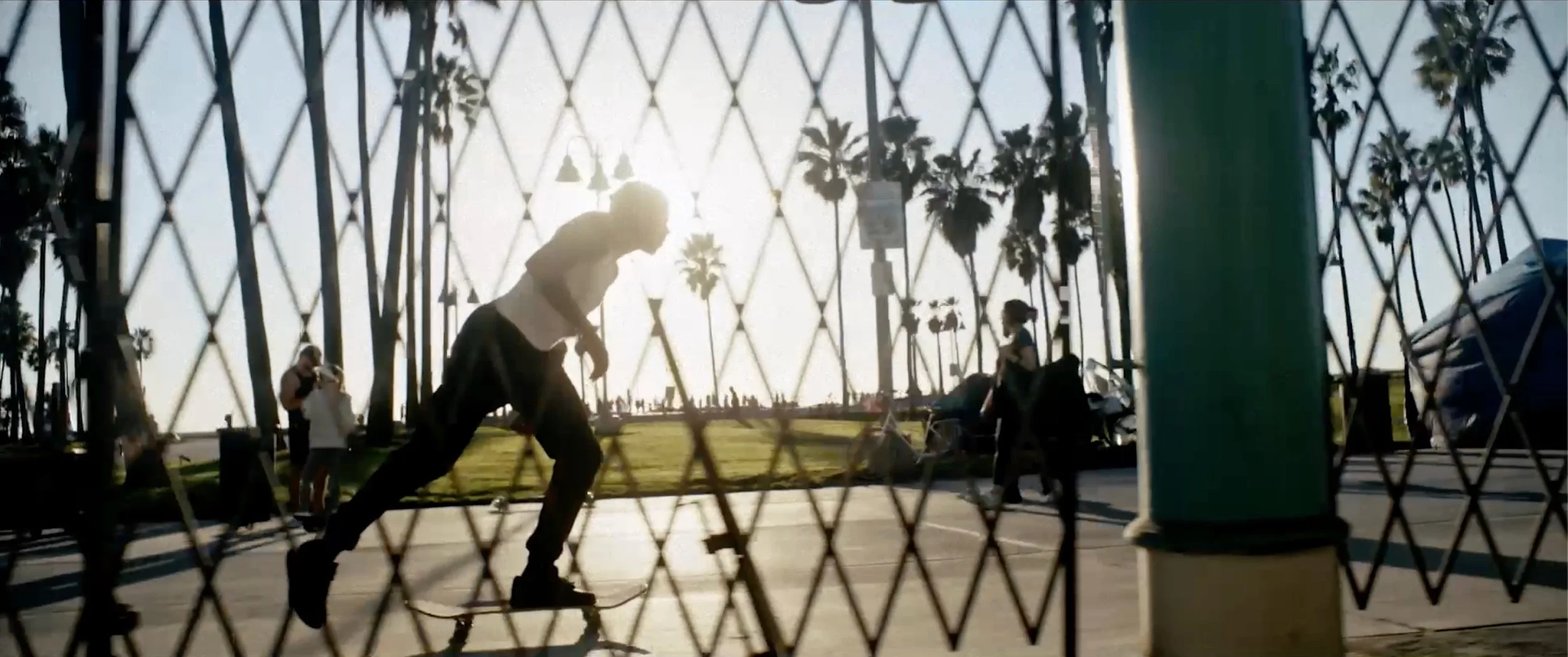
Street Smart (2026)
That intuitive quality is part of what connects Street Smart to the filmmaking Hardwicke has been doing for years. Lords of Dogtown also required a camera that could live inside movement rather than simply observe it from a distance. But here, the movement isn't recreated as a piece of period filmmaking or stylized performance. It comes from the actual environment—the skateboarders moving through Venice, people crossing paths, a group of characters who are constantly in motion because their lives don't allow them to stay still for long.
McKenna sees it as a description of how she works, allowing different perspectives and experiences to exist alongside one another without flattening them into a single message, which also connects to his larger belief in independent filmmaking.
“Indie films are the future,” McKenna said. Audiences, he believes, are increasingly tired of remakes and familiar properties and are hungry for something that feels less manufactured. “There is a longing for authenticity, for stories with the texture of a time when we were offline in the '80s and the '90s and before.” He sees Street Smart as part of that shift: a film made around people, place, and lived experience as opposed to “the safest possible version of what a movie is supposed to be.”
And that is where his hope for the film's reach comes back to the people who made it. McKenna wants other filmmakers and actors to see that audiences can respond to stories that are specific, complicated, and rooted in lives that aren't always given the center of the frame. If someone sees Street Smart and decides to take a chance on a story they might otherwise have dismissed, the impact of the film can extend beyond the movie itself.
Hilt's understanding of the film comes from an even more personal place. His own experiences are woven into it, but the movie gave him room to see those experiences alongside everyone else's. The result, he said, is a story where people can recognize themselves in characters who may seem completely different from them on the surface.
He kept coming back to two ideas: “never judge a book by its cover” and “spread love because to spread love is free.” The film shows people arguing and then finding their way back to each other because that is what relationships actually look like. In life, there is no clean reset; there is only the next attempt.
When asked what else he wanted people to take away from Street Smart, Hilt didn't need a complicated answer.
“Life is short,” he said. “Just spread love.”
“You can't change the world, but you can change your mindset on the world. Once you change that, a lot will change, literally, if you just spread love.”