Brand Safer Things: The Tactful Ending to a Beloved Series
By Julia Krys
Netflix’s beloved supernatural thriller series Stranger Things entered its final season with three separate installments released over Thanksgiving, Christmas, and New Year’s. The series, created by the Duffer Brothers, debuted nearly a decade ago and captivated audiences with its unique government-conspiracy premise set against the backdrop of ’80s nostalgia. Evidently, a stark stylistic disparity exists between the first and final seasons. To examine these differences, it’s essential to note the impact the series had on Netflix as a platform itself.
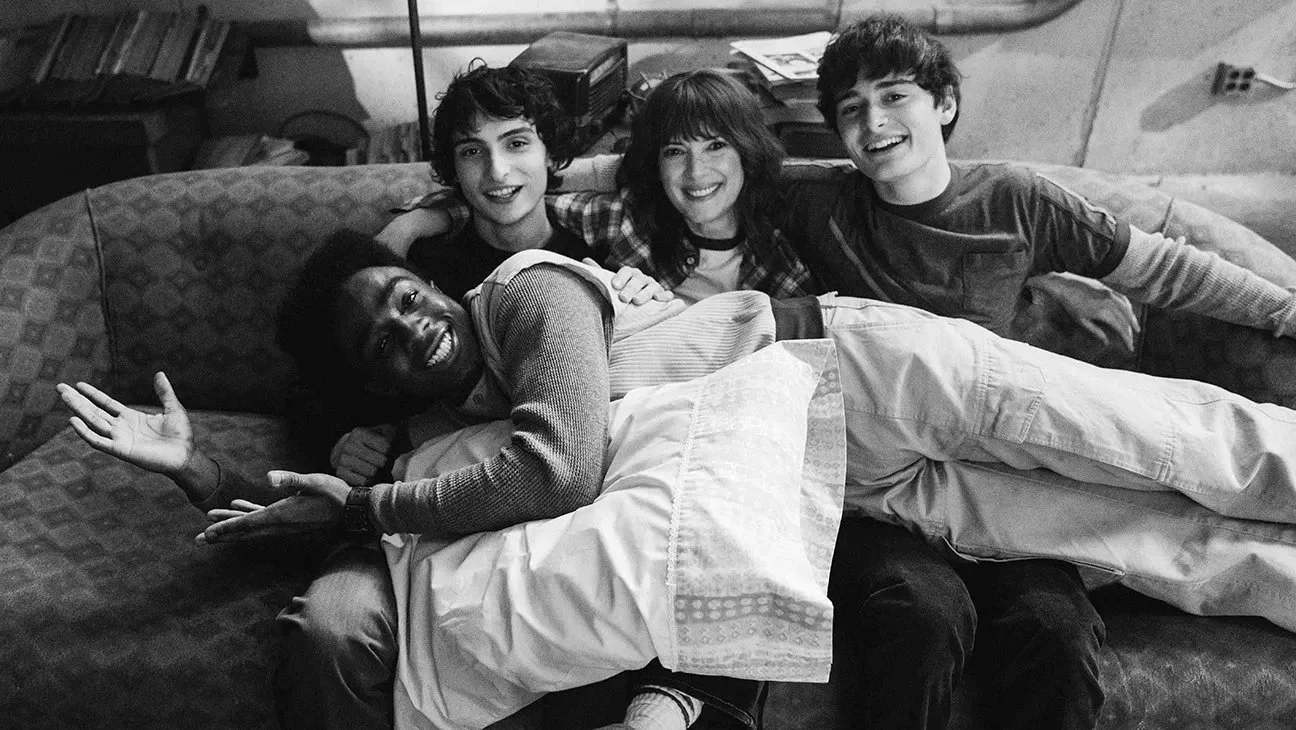
Back in 2016, Stranger Things joined a small batch of Netflix-produced original series alongside titles like Black Mirror and Orange Is the New Black. Like other platforms’ “peak content” at the time, artistic integrity and originality were major priorities in enabling a show to capture audiences. Stranger Things became one of Netflix’s first international hit series within its limited original library and introduced what would eventually define the platform’s strategy: producing a high volume of diverse content for global audiences rather than a smaller slate of high-quality, high-profile shows.
Over time, Stranger Things evolved into a flagship brand for the platform, thrilling but carefully calibrated to maintain brand safety. Centered around Dungeons & Dragons-inspired children’s adventures into the supernatural unknown, the show was able to maintain widespread favorability for several seasons. What felt like a turning point between creative liberty and brand caution arrived with the release of season four, which premiered days after the devastating school shooting in Uvalde, Texas. In response, the series added a disclaimer acknowledging the distressing nature of its opening scene and expressing sympathy for the victims’ families. Moments like this inevitably reshape the boundaries of acceptable risk in mainstream storytelling. That shift toward palatable restraint was fully on display in the show’s final season, marked by an overabundance of characters, a preference for emotional sentiment over horror, and the weight of outsized audience expectations after long delays. As Netflix’s most-watched series of all time, the show’s continued success left little room for meaningful creative risk.
Season five opens with an uncanny sense of normalcy under a government-restricted Hawkins, which is quickly disrupted when Mike Wheeler’s younger sister, Holly (played by Nell Fisher), goes missing at the hands of Vecna (Jamie Campbell Bower). These two previously minor characters occupy a surprising amount of narrative real estate this season, eclipsing the core friend group introduced in season one. Much of the setup drags, asking the audience to invest in Holly primarily as a vessel for other characters’ pain rather than as a fully realized presence.
I found myself leaning in for the first time three episodes in, when Holly encounters Max (played by Sadie Sink) in an alternate dimension. Max, who has been in a coma since the end of the previous season, becomes the gateway to an entirely new psychological landscape that has yet to be explored. It’s hard not to feel that the season squandered valuable runway getting here, when it could have begun directly inside Vecna’s mind, where Max is held hostage. There is far more mystery and intrigue in that space than in the newly introduced Squawk radio station or the group’s hideout, which the government conveniently overlooks until the final episode.
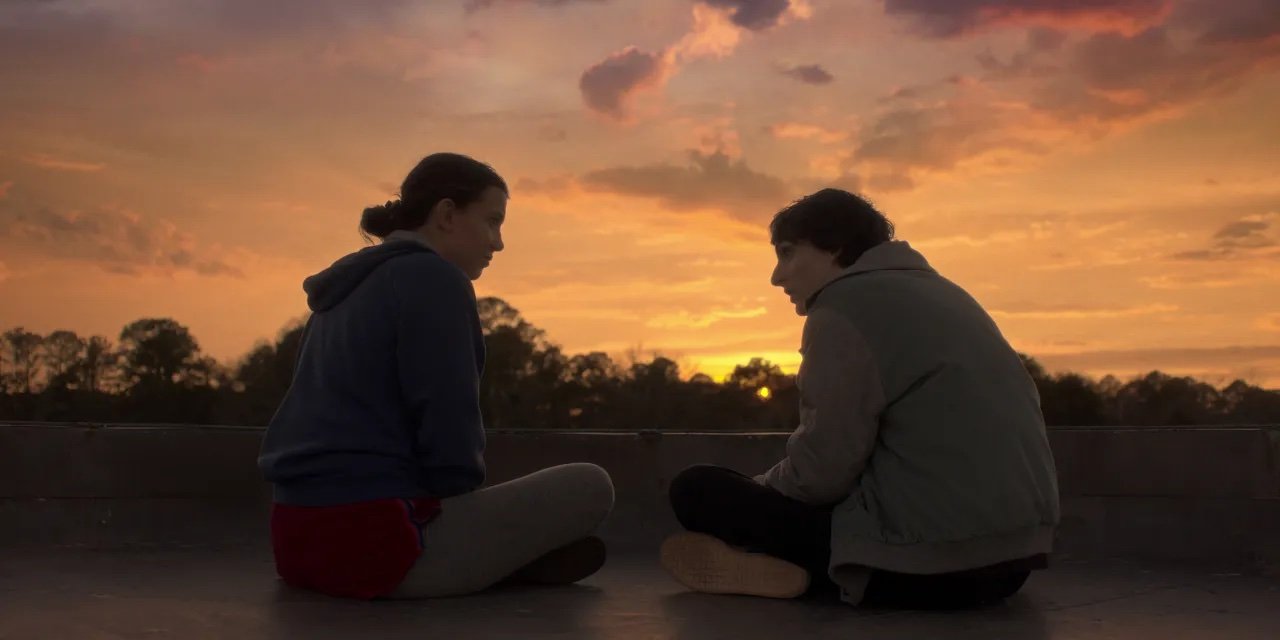
One of the season’s most debated moments occurs when Will Byers (played by Noah Schnapp) comes out as gay to his friends. Intended as a triumphant moment of self-acceptance in the face of monster-induced, amplified shame, the scene ultimately falls flat. This is no fault of Schnapp, who delivers a committed and emotionally grounded performance. Rather, it feels like a logistical failure: an actor who has outgrown his dialogue and the show’s long-winded writing.
This issue extends beyond Will. Many cast members began the series around age ten and are now filmed in their early twenties, yet their characters remain frozen in a tone that hasn’t matured alongside them. Nowhere is this disparity more apparent than in Will’s coming-out monologue. While imperfect age alignment in casting can often be overlooked, here the juvenile scripting makes the gap difficult to ignore. The Duffer Brothers largely avoid addressing age directly until the final moments of the series, when several characters graduate high school. That moment works as a genuine coming-of-age inflection point, a symbolic permission for the characters to leave behind the supernatural weight of childhood and step into the real world.
The highly anticipated finale leaves Vecna dead, Eleven (played by Millie Bobby Brown) dead or missing, and Hawkins restored to a fragile normalcy. The Duffer Brothers are careful to limit bloodshed among the main cast. Instead, the episode leans heavily on needle drops and montages designed to speak directly to the fandom. The action resolves swiftly, allowing the final third to indulge in a post-Eleven reality, returning to the basement, to D&D, where magic exists only in imagination, just as it did at the series’ beginning.
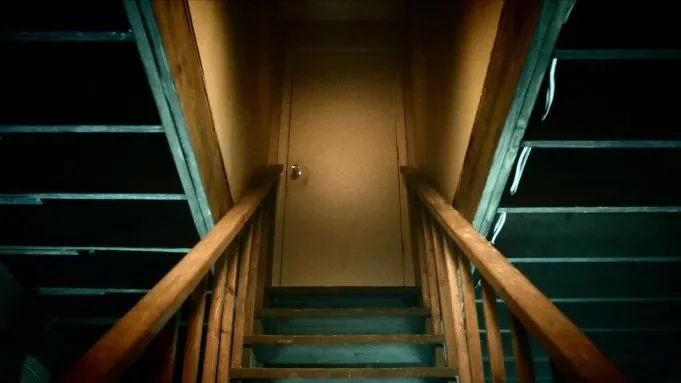
Eleven’s disappearance comes to represent something larger: a belief that magic can still exist, even under threat, even in absence. It’s a clear homage to a series that has meant a great deal to Netflix and its expansive fanbase. In choosing nostalgia over ingenuity, the Duffer Brothers allow viewers to revel in emotional closure. More than anything, the series capitalizes on the magic of aging, both onscreen and off, as audiences watch a young cast grow up in real time.
In the final moments, as each character emotionally returns their D&D binders to a shelf, the gesture feels like a salute to childhood itself. The finale is entirely safe, faithful to the Stranger Things brand, which by this point cannot be risked without implicating Netflix by proxy. The result is a conclusion that avoids tarnish, satisfies its massive audience, and ultimately chooses comfort over consequence.