Curry Barker’s 'Obsession' Is the Horror Debut to Watch
By Natalie McCarty
There are certain films that leave the theater with you—following you home, sitting beside you in the dark, staying with you in the moments when your mind should be somewhere else entirely. Obsession is, undoubtedly, one of them. It doesn’t end when the credits roll; it burrows under your skin.
Courtesy of Focus Features
It’s been weeks since I went to the screening with Focus Features, and I still haven’t managed to shake it. This is the scariest film I’ve seen since Hereditary—not because it relies on spectacle or obvious horror tropes, but because it understands something far more sinister: how terrifying ordinary people can be when love turns into entitlement, when affection becomes possession, when wanting someone crosses the line into needing to own them.
It is truly, truly brilliant.
From writer-director Curry Barker, Obsession feels less like a debut and more like the arrival of a filmmaker with complete command of his voice. His directing, writing, and editing are some of the sharpest I’ve seen in recent memory—precise, unsettling, and so confident in tone that the film feels almost invasive. There is no excess here, no wasted movement. Every choice feels deliberate. Every beat means something. Barker weaponizes intimacy to build tension; it is masterful and expertly crafted. It is rare to see horror this emotionally intelligent, while simultaneously being so incredibly sharp, deeply unnerving, and truly terrifying.
Barker has said he wanted to explore the point where love stops being love—where fixation mutates into something darker, where obsession becomes its own form of violence. That idea is what gives the film its power. He takes the familiar “be careful what you wish for” premise and strips away the fantasy, grounding it in something painfully human. The horror here is not supernatural spectacle; it is emotional realism built on the recognition that obsession does not always arrive looking like danger, rather it often arrives disguised as devotion.
Cult classics are rarely born in obvious ways. They arrive almost accidentally, finding the people who need them before the rest of the world catches up. Obsession feels destined for that kind of life—passed between friends with the insistence of “you have to watch this,” rediscovered years later by audiences wondering how it wasn’t bigger the first time around. It has that electricity, that strange singularity that cannot be manufactured.
Courtesy of Focus Features
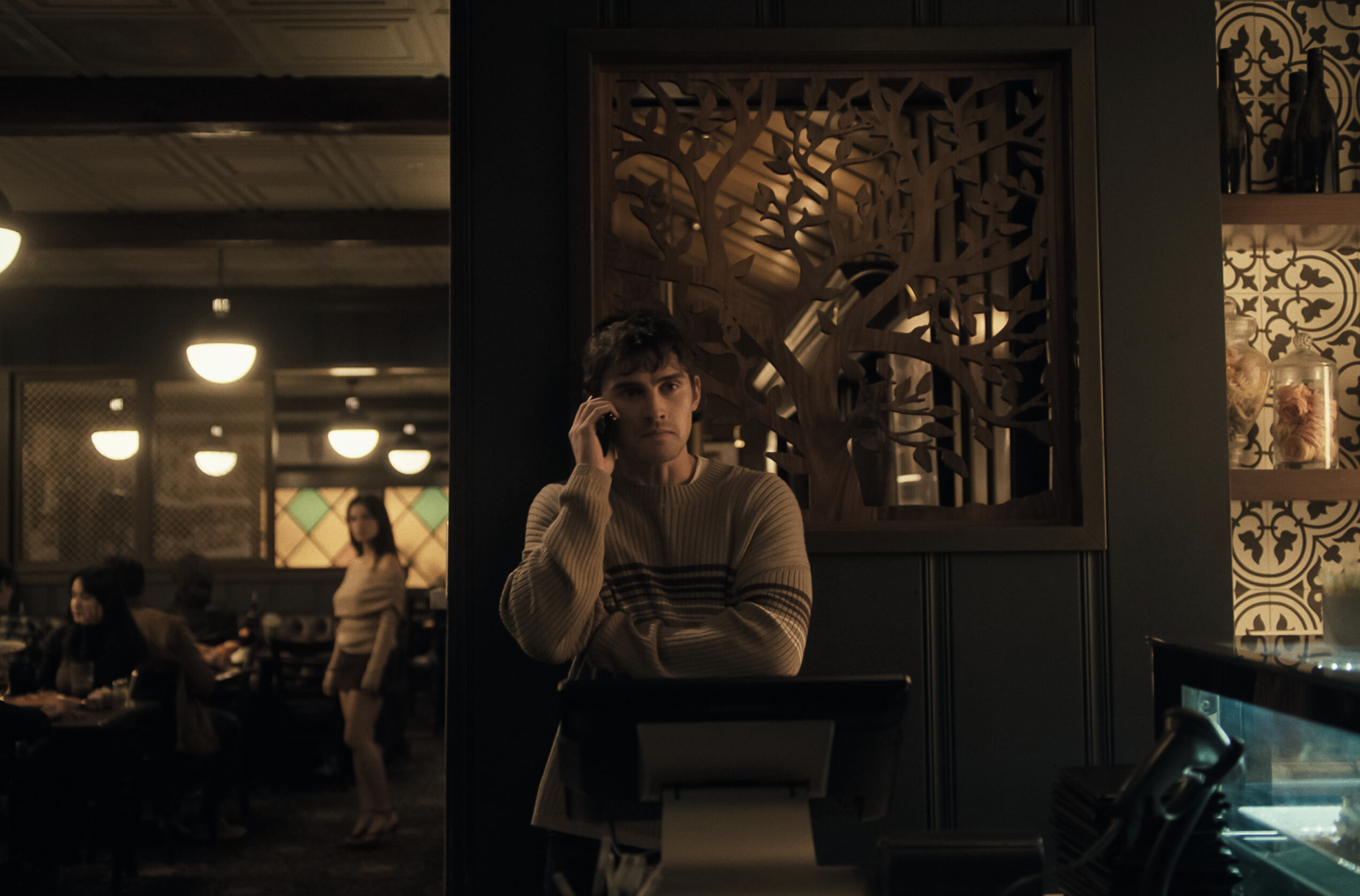
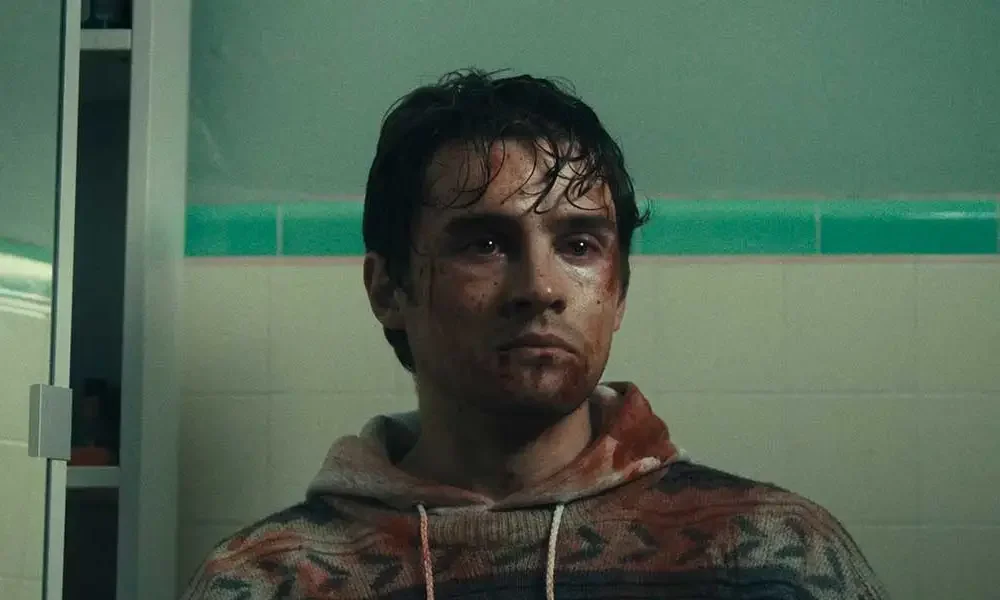
At the center of the film is Bear (Michael Johnston), a young man carrying grief, loneliness, and a longtime crush on his best friend Nikki (Inde Navarrette). After failing to confess his feelings, he impulsively uses a novelty item called a “One Wish Willow,” wishing that Nikki would love him more than anyone else in the world. It sounds absurd, until it works. But what arrives is not romance. It is obsession in its purest, ugliest form. Nikki’s affection becomes consuming, dangerous, and impossible to escape, forcing Bear to confront the terrifying reality of getting exactly what he asked for.
The brilliance of Bear is that Barker never allows him the comfort of being framed as purely sympathetic. He is lonely, yes, but loneliness is not innocence. His wish is not for Nikki’s happiness, but for her devotion—a small distinction that becomes the entire moral architecture of the film. He is not simply a victim of circumstance; he is complicit. Barker smartly dismantles the “nice guy” mythology and replaces it with something far more complicated, far more honest. Bear is vulnerable, selfish, and frustratingly human, which makes the horror strike even harder.
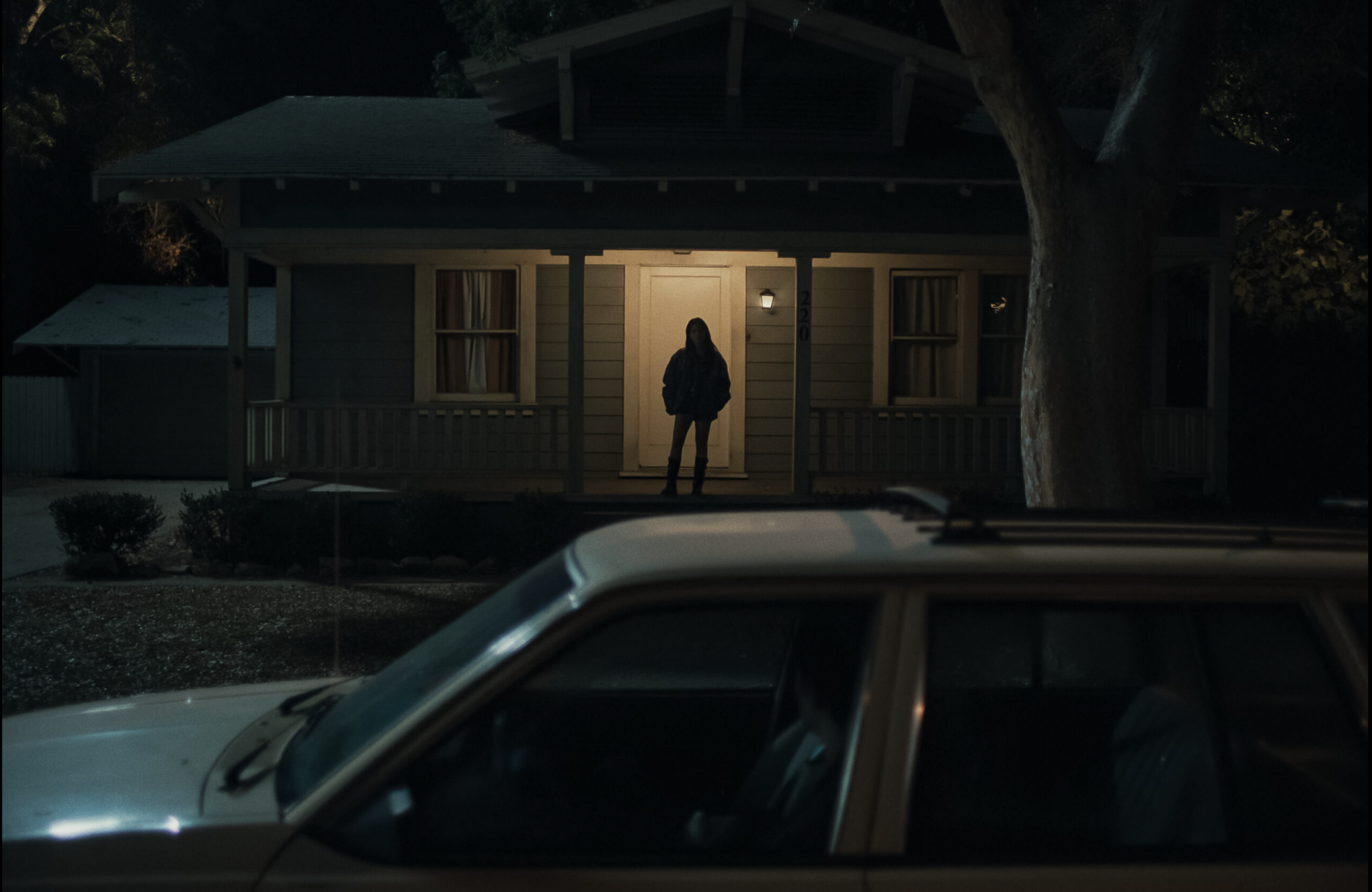
Courtesy of Focus Features
What makes the film so effective is how frighteningly believable it all feels. Because the cast isn’t stacked with overly familiar faces, there’s no protective distance between audience and story. You don’t feel like you’re watching actors perform; you feel like you’re watching something unravel in real time. At points, it feels closer to found footage or a documentary than a traditional narrative film—as though you’ve stumbled into someone’s private disaster and can’t look away.
Even the wardrobe, styled by Blair James, contributes to that realism as it’s so lived-in, specific, and organic that it feels less like obvious costume design and more like eavesdropping on real lives. Everything feels intentional without ever feeling overstylized, grounding the film in a reality that makes the horror land harder.
The sound design deserves its own praise—the kind of subtle, skin-crawling work that makes silence feel louder than music. Obsession understands that dread is often built in the absence, letting tension stretch until it becomes unbearable, forcing the audience to endure discomfort rather than escape. That restraint is what makes the fear stay with you.
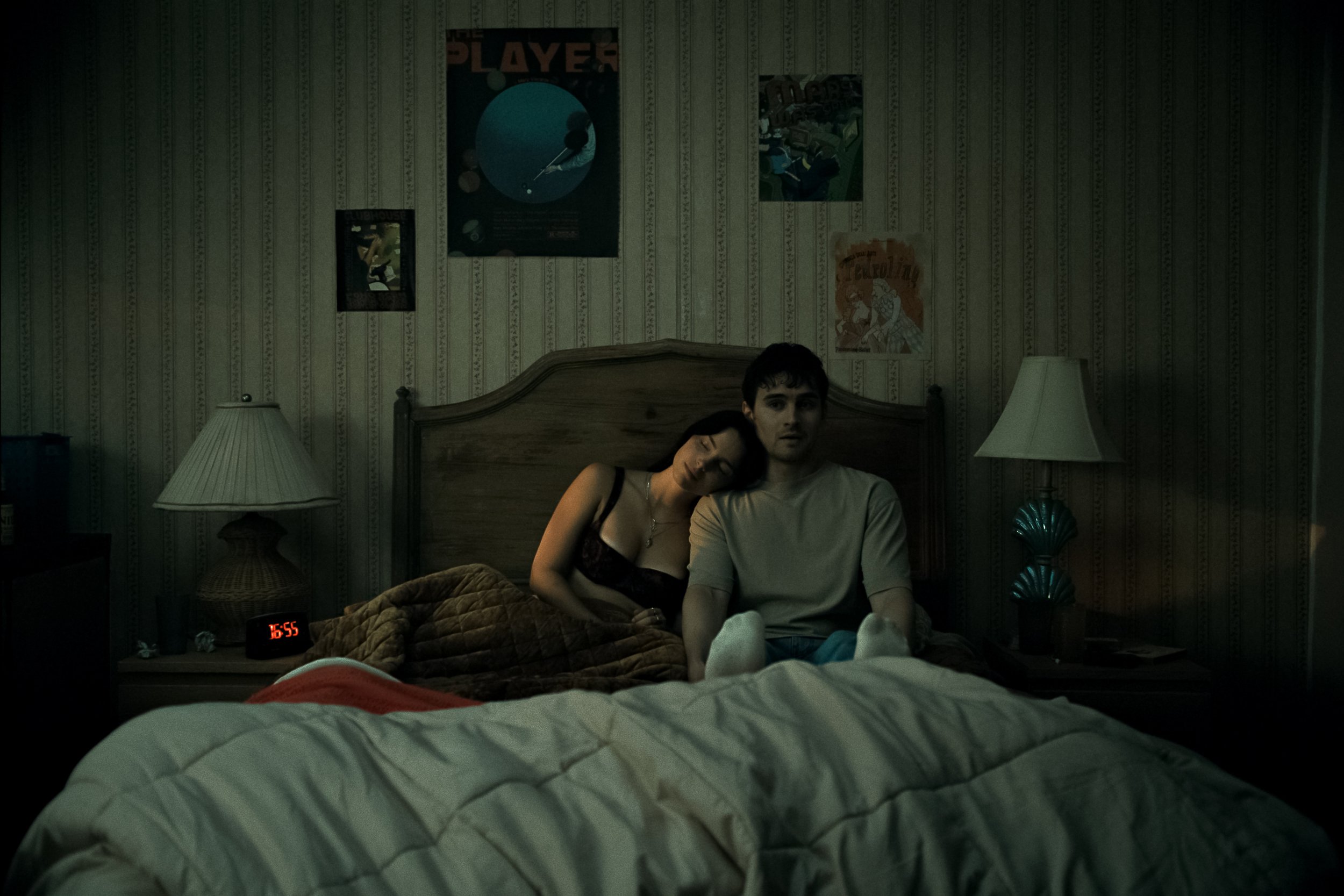
Courtesy of Focus Features
Moreover, Inde Navarrette is nothing short of extraordinary here, giving Nikki a performance that is both terrifying and deeply tragic. She never allows the character to collapse into caricature; instead, she brings a real humanity to Nikki’s unraveling, which somehow makes it even more unsettling. Michael Johnston matches that complexity beautifully, carrying an incredibly difficult and layered role with remarkable nuance. Both handle the emotional complexity and balance the beats of the horror with impressive precision.
Cooper Tomlinson and Megan Lawless are equally essential as Ian and Sara, grounding the story with performances that feel incredibly natural and necessary. They act as both witnesses and warnings, representing the outside perspective as Bear and Nikki spiral further into something dangerous. Their skepticism gives the film another layer of tension, because they are seeing what Bear refuses to admit. Without them, the story would lose much of its realism and emotional weight.
And that is what makes Obsession so exceptional. It isn’t interested in easy answers or clean morality. It asks whether love can survive the moment it becomes control. It asks how far someone can justify their own selfishness in the name of romance. It asks whether being loved by someone is still love if it had to be forced.
By the time the film ends, the horror is no longer on screen. It is in the audience—in the recognition, the discomfort, and the unsettling understanding that everyone is capable of wanting too much.
It does not ask you to fear monsters, ghosts, or the impossible. It asks you to confront something far worse: the terrifying ways people justify control, possession, and destruction in the name of love.
If you have the chance to see it, Obsession is in theaters now.