Ellie Kim Is Building Her Own Future in Journalism
By Reese Villella
I have been somewhat pessimistic about the future of writing lately. With ChatGPT, developmental years spent in COVID lockdown, and the 67-ification of our youth, it’s hard to imagine young people doing much more than perusing TikTok Shop or watching MrBeast like he’s a televangelist. The future of art feels increasingly uncertain, and even for those who do want to pursue creative writing, poetry, and journalism, it’s hard to find the right path forward when social media, Substack, and traditional paths forward are so oversaturated with AI slop and a thousand girl bloggers just like you. This is why Ellie Kim, an emerging journalist, is forging her own path.
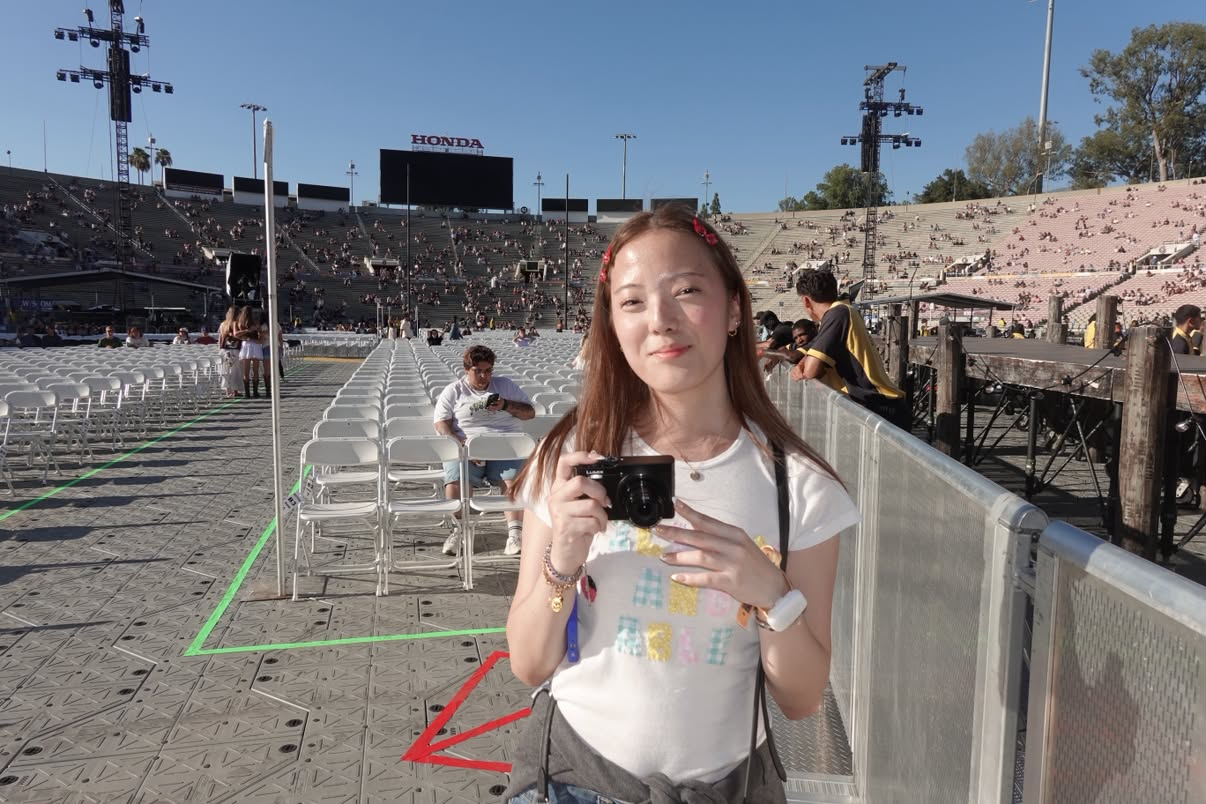
Provided by Ellie Kim.
At 18, Ellie Kim is already writing across forms and publications. She contributes to Vellichor Literary, publishes personal essays and poetry through her Substack, Notes of Invisible Ink, and writes about music for The Luna Collective and The Music Box. This fall, she will begin studying fine arts at the University of Southern California, with plans to minor in psychology.
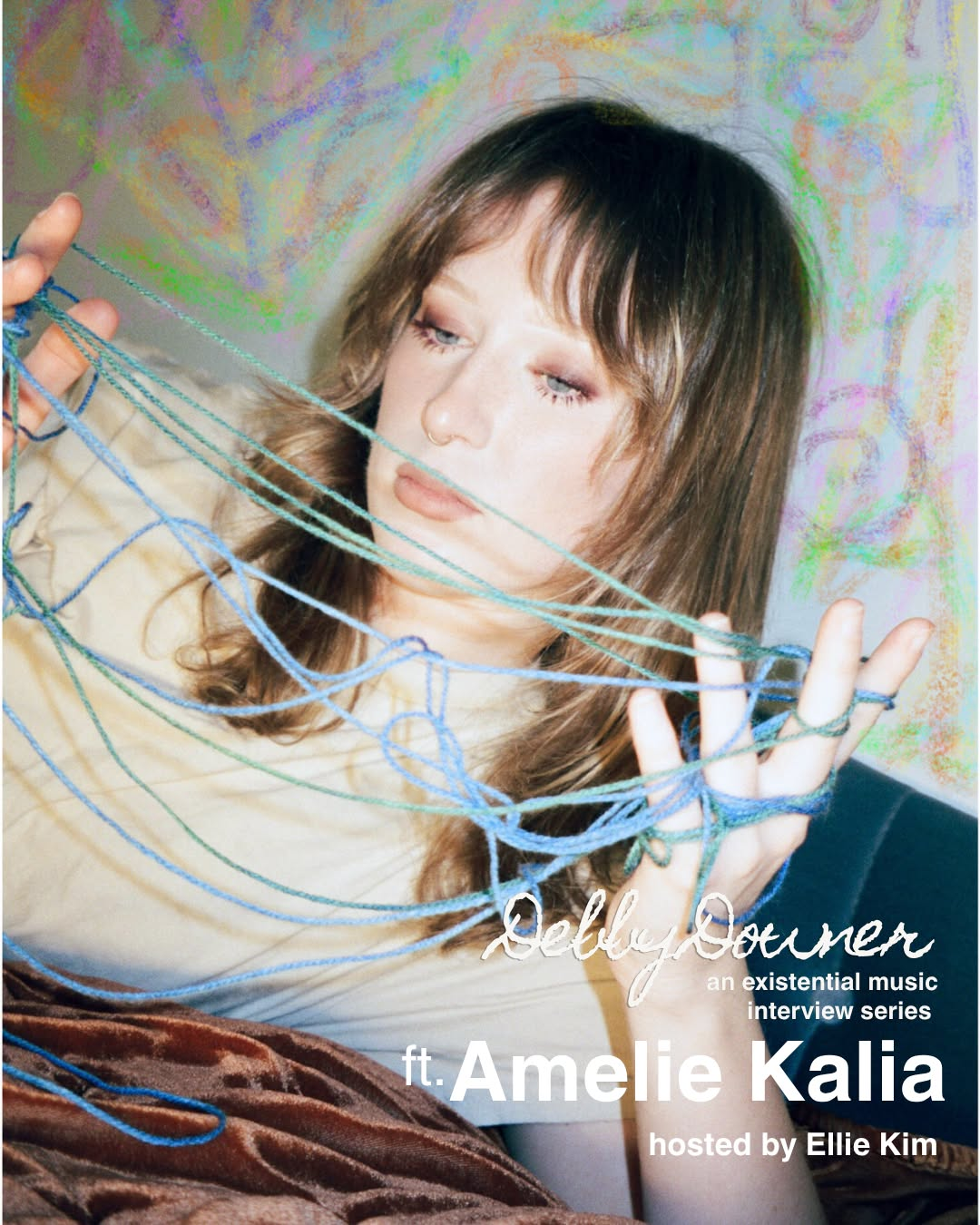
Ellie’s trajectory has been driven by her ambition and creative self-determination, finding opportunities through independent magazines, turning time alone into time spent developing her voice, and pitching the kind of work she wanted to read. At Vellichor, she created “Debby Downer,” a biweekly interview series that moves past familiar questions about releases and artistic process. Instead, Kim asks musicians and other creatives about faith, pessimism, optimism, and the existential questions that shape the lives behind the work.
Her experience also illustrates why emerging literary communities matter. Small publications can give young writers room to experiment, collaborate, and discover what kind of creative they want to be. Kim’s work shows that being a self-starter does not have to mean working in isolation; it can also mean taking the first step toward the community, conversation, or platform that does not yet exist.
I spoke with Kim about moving from fiction to nonfiction, finding purpose through collaboration, interviewing musicians, and learning that anyone who chooses a creative life may already be practicing a form of optimism.
Let’s start with an introduction. Could you tell us who you are, where you’re from, and what you’re working on?
EK: My name is Ellie Kim. I’m a recent high school graduate, attending USC this fall. I’m going in for fine arts and will likely minor in psychology, though that isn’t 100% decided yet. I’ve been writing since the fourth grade—it was a rite of passage for me, the typical starting on Wattpad. I’ve always read a lot, and as I started understanding bigger concepts within books, I began writing on Wattpad and AO3. I wrote creative fiction for a long time, but since joining Vellichor Literary two years ago, I’ve started writing more non-fiction. I’ve been based in Thailand for about eight years, and I recently moved back.
That’s exciting. Tell me about that shift from narrative to interview-style and non-fiction writing.
EK: I only started doing essay-based work last year. I made the switch from creative writing to poetry because poetry is more autobiographical and rooted in real life. That felt like a natural progression. Then, I decided I wanted to pursue non-fiction after seeing people conduct interviews with musicians I enjoyed. I pitched the idea, and Vellichor was kind enough to let me run with it.
Before we get into the musician interview series, tell me about your Substack. I’m a dedicated subscriber, but for those who don’t know, tell us about the publication and your poetry.
EK: Of course! I started the Substack around this time last year. It was an idea to branch out from singular, individual work to something that would benefit others. My Substack is called Notes of Invisible Ink. Originally, it featured summaries of my week, journal prompts, and activities for learning how to do things alone—something I had to learn a lot in high school. I wanted to help people who were scared or unsure of what to do. As it progressed, I transitioned toward more personal essays and diary-style writing.
How did you start working with Vellichor Literary, and how did you develop the idea for the musician interview series?
EK: I joined Vellichor in 2024. It was my first experience working with a group or community. It was interesting to learn how much it takes to run a magazine, especially since the editor-in-chief started it when he was 13. It was inspiring. I started off doing prose and poetry, writing one or two pieces per issue. Early last year, I went through an existential crisis and thought, “There’s no time like the present.” I pitched the idea of conducting existential-based interviews. I wanted to ask broader questions—not just the traditional ones about songs or process—but about faith, God, and the bigger topics people don’t often discuss. Ben was willing to take on the idea; we created a schedule, and now I release an interview every two weeks.
Provided by Ellie Kim.
What has that transition to interviewing been like? It’s one thing to craft a narrative essay about your own opinions, but it’s another to craft something that feels authentic to your voice when structured as an interview.
EK: I started by interviewing small artists I was already in contact with, some of whom are friends in LA. I always preface it by saying it isn’t overly formal; it’s more like a conversation or a podcast. I pick out the questions and write out the answers, keeping it as casual as possible. If we delve into deeper topics they don’t want shared, I cut those out. It helps keep it natural. I was nervous when I first started, as I’d never interviewed people over the internet before, but because I’ve been online from a young age, it wasn’t too nerve-wracking.
What has been an informative experience for you while doing this series?
EK: It’s been interesting because, while most are musicians, some are just creatives. I’ve been able to learn about a sort of collective idea we creatives have chanted in our heads for years. I often ask if they are a pessimist or an optimist. I always thought I was a pessimist, and my parents told me that a lot. Only one other person identified as a pessimist; everyone else said you have to be an optimist to pursue a creative career. It helped me realize that maybe I am optimistic, or at least that optimism is necessary for this work. It helped me realize I want to move away from making creative work my full-time career—I’d rather pursue psychology or therapy and keep the creative work on the side. Learning from other creatives has been very helpful in that regard because it really does make you realize how much work it is, and I know myself—I wouldn’t feel very fulfilled without giving back or helping others in some way. That’s why psychology as a minor was my best bet: while creative passions have been a huge part of my life, so has mental health. The drive to help others, especially teenagers like myself, has never gone away; in fact, it has probably only gotten stronger with the added creative pursuits. It’s been helpful for me starting out. It was my first collaborative project, and I met people who are very good at what they do. It’s helped me with communication, especially being in contact with the editor-in-chief and other poets. Since I started the interview series, Debby Downer, I’ve been more organized with my calendar. From a non-creative standpoint, it’s been beneficial while still allowing me to do something I enjoy.
You are also writing for other publications. Would you like to share a bit about those?
EK: Yes! I recently joined The Luna Collective. They are music-focused but also feature photography and videography. It’s a different dynamic than Vellichor, which is literature-based. The Luna Collective is more versatile because they have people doing all forms of art. It’s interesting to work with other creatives who aren’t just writers. I also joined The Music Box. It’s smaller, but they do album reviews and interviews. I’ve focused on the review side, which has been cool because I got to do an early listen for an artist I previously interviewed for Vellichor. I really liked having time to form coherent thoughts for the artist's audience, but also for the artist themselves. It’s especially rewarding when they like what you write.
You are going into your freshman year of college, which makes you 18. You are very ambitious and a self-starter. Where does that motivation come from, and how did you find yourself in the position to seek out all these opportunities?
EK: I’ve always been into writing, but I didn’t have the best time in high school, so I had a lot of time on my own. I did a lot of research on things to do. I’d see small magazine posts on Instagram, learned about zines, and eventually found Vellichor’s team applications. Starting collaborative work gave me a purpose. During my senior year, when everyone else was focused on grad trips and hanging out, I interviewed musicians and did things I enjoyed. I felt “locked in.” I probably think about my future a lot more than the average 18-year-old. I think it has helped me become more passionate and fueled to actually pursue my interests, and I’ve definitely been called diligent and hardworking in the past, which makes me feel like all the work has paid off.
On a final note, what would you want fellow creatives or aspiring writers reading this to take away?
EK: Knowing how to spend your time alone in a useful way is pretty important. If I hadn’t spent much of my high school years by myself, I wouldn't have had the time to work on my creative ambitions and projects, and I wouldn’t be where I am now. It’s not a bad thing to be by yourself, especially in high school or middle school—it gives you more opportunity to plan ahead and think about what you want to do.
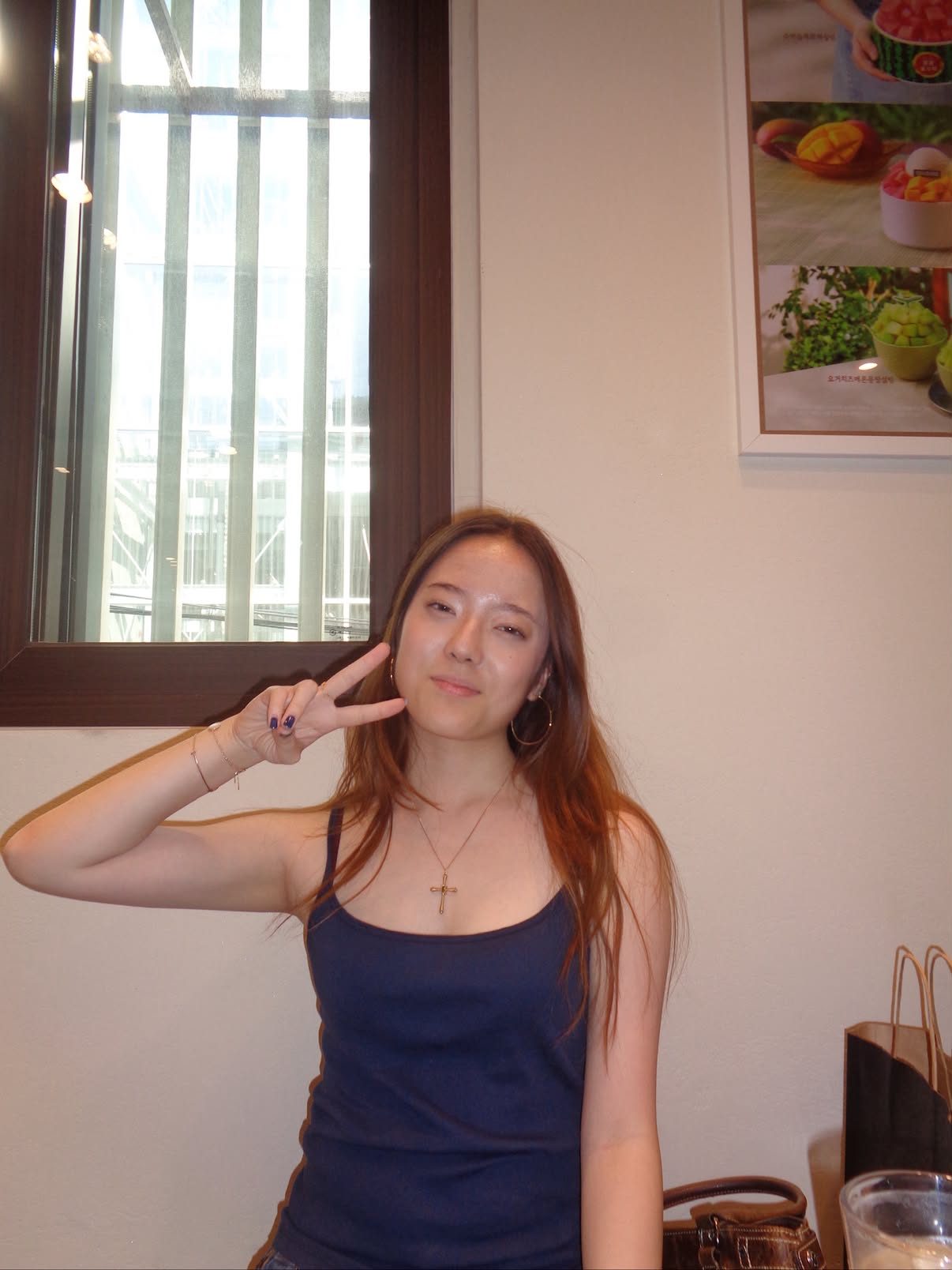
Provided by Ellie Kim.
I came away from my conversation with Kim feeling two things: first, extremely old, but second, genuinely inspired. There was something reassuring about speaking with someone so ambitious and passionate not only about her own art, but also about creating space for other emerging voices. For Kim, being a self-starter is less about relentlessly pushing herself than it is about following her curiosity: finding work she cares about, seeking out people who inspire her, and building meaningful connections along the way. Her initiative has given her the freedom to experiment across mediums and discover new communities. Rather than expecting herself to have everything figured out from the beginning, she allows her creative life to keep evolving.
Vellichor reflects something we believe deeply here at Gut Instinct: publications should be more than a line on a resume. They are spaces for conversation, collaboration, experimentation, and community, where emerging artists are given the freedom to find their voices alongside one another.