
Gentrification of Food: From Staple to Status Symbol
How “Trendy” Veganism Impacts Local Communities and Food Accessibility
By Nomi Makin
The idea that plant-based eating is exclusionary is, unfortunately, far from uncommon. I often feel as though I spend much of my life trying to convince friends, family, and strangers alike just how easy and affordable eating this way can be. However, my argument becomes somewhat tainted when so many inaccessible spaces still exist and when the price tag attached to anything marketed as “vegan” can feel borderline extortionate.
The regular look of panic when I mention I’m vegan just before eating at someone’s house is, if not a little amusing, somewhat revealing. There is usually a frantic rush to the nearest supermarket, filling the basket with anything carrying a vegan label. Quorn sausages, whatever dry, crumbling falafel is left, alongside the inevitable plastic ‘cheese’.
As much as I love and appreciate the effort, these experiences born from panic usually continue that theme when the items are scanned at checkout. Processed and packaged vegan foods can often be disproportionately expensive. Yet much of my veganism is rooted in simpler, more accessible staples. Beans, vegetables, lentils, and grains, aka udget-friendly options.
In a recent ELLE interview, Billie Eilish spoke about veganism and the environmental impact of animal products, including how she sees plant-based eating as a way to reduce harm to the planet. Her point sparked debate across the world. Many people argued that her diet is born of privilege, and that only those with privilege can be vegan — a view that could not be further from the truth. What a celebrity says about veganism gets amplified, but the everyday lived experience of plant-based eating in working-class or immigrant communities is ignored.
Veganism is often treated as a modern Western invention rather than something rooted in long-standing global food traditions. This whole recent discourse just reinforces the idea that people see veganism as synonymous with privilege and, therefore, class. Erasing the cultures and communities that have been eating plant-based for centuries, while also silencing individuals who eat consciously on a budget today (shoutout to me!).
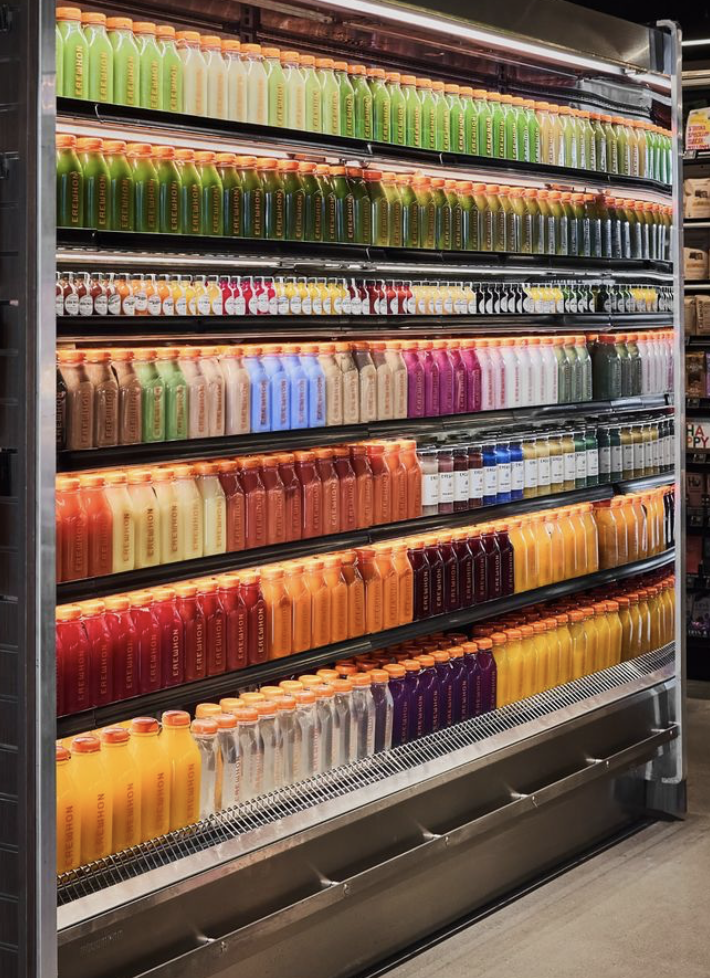
When we look at the westernisation and gentrification of veganism, it becomes clear. When food becomes a trend, it stops being nourishment and becomes performance. Suddenly, ingredients that have existed for centuries, quietly feeding communities, are reintroduced as if they have just been discovered. Matcha is no longer simply a traditional part of Japanese culture but guzzled down by wellness girlies across the Western world. And now, consequently facing global shortages as demand surges. Quinoa, once a staple in parts of South America, was rebranded as a ‘superfood’, driving up local prices. Ingredients like za’atar, tahini, and miso are lifted out of their cultural homes and turned into trendy menu items. Tofu, a long-standing staple across East Asia, has somehow been repackaged as a niche alternative protein, as though entire cultures had not been cooking with it long before Westerners. The list of gentrified foods is endless and exponentially growing.
Sourced Through Pinterest
At the same time, many cultural foods are still looked down upon. Many African and Caribbean cuisines, for example, are often dismissed and misunderstood. A common experience, as a person of colour in the UK, was your school peers all sneering and turning their noses up at your ‘smelly’ foods from home. Whilst they chomped, unbothered with their cheese sandwiches and Lunchables. Those of us with curries, salads, rice, and stews in our packed lunches were ridiculed and shamed.
With certain cultural foods being labelled ‘trendy’ while others are still dismissed as ‘weird’ or ‘gross’, an unspoken hierarchy is created around which cultures are celebrated and which continue to be sidelined. This hierarchy becomes even more visible when you look at how gentrification drastically changes neighbourhoods, and how the food on offer directly reflects that shift. The rise of vegan cafés and wholefood grocers is often framed as progress, but it can also reshape entire areas, pushing out long-standing communities in the process.
The same ingredients remain. But context changes, and with it, the price. What was once a five-pound meal becomes fifteen.
A 2023 report found that plant-based meals in independent cafés across London can cost up to forty percent more than equivalent dishes bought from local takeaways.* Now, eating ‘healthy’ comes at a higher price tag and excludes access for many of the city's local residents. In turn, reserving these spaces for those with deep pockets, and in doing so, creates a clear barrier to entry for the very people who introduced these foods to the city in the first place.
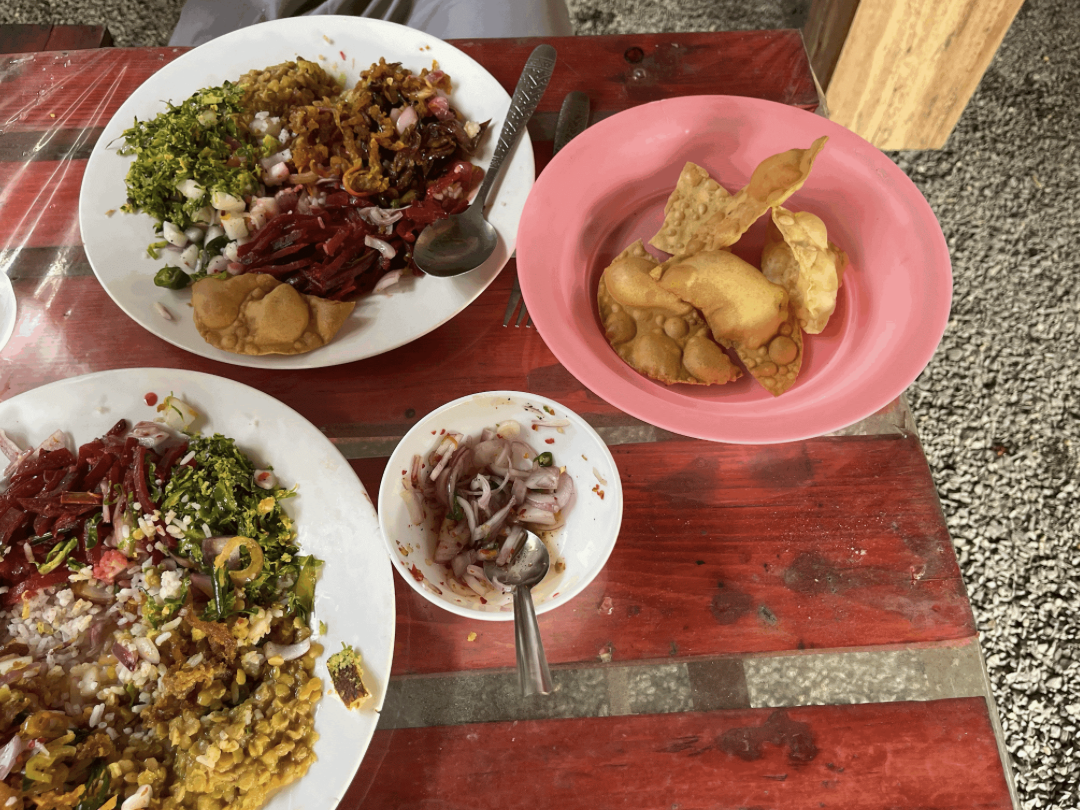
During my years living in London, I called Harleden home. A little Jamaica situated in the North-West, and surprisingly untouched by the city's aggressive gentrification. For me, one of the few places in London that still feels vibrant and real. I would buy foods directly from their communities and interact joyfully — staying connected to the ingredients' origin. Buying fruits or spices. Speaking to the shop workers about their day, their home lives, and how they might use the particular ingredient I was picking up. Many stores in this area stocked affordable staples. Dried beans, lentils. Fresh vegetables and herbs. Inherently plant-based foods. These spaces aren’t branding themselves as ‘vegan’, yet they quietly sustain plant-based eating in a way that is accessible, community-led, and culturally rooted.
Sourced Through Pinterest
With areas like Notting Hill, just a few miles from Harlesden, now feeling starkly different. A couple of decades ago, they were far more alike, whereas today, plant-based living is often packaged through aesthetic cafés, boutique grocers, and higher price points. The same plant-based ingredients are reframed, marked up, and detached from their cultural origins. Without gentrification, plant-based eating exists without the label, embedded in culture and affordability. Whereas in gentrified areas, veganism becomes a branded lifestyle. Unfortunately, other areas of London have suffered the sharper edge of food gentrification. Veganism gets a bad reputation as it's often viewed as a partner for these upscale, pricey cafes and restaurants, and therefore becomes synonymous with exclusivity, race, and class.
The issue is clear. The label. Once everyday ingredients are branded as ‘vegan’, they become aesthetic products rather than accessible staples, reshaping both their meaning and their price. Like most things in life, the label creates exclusivity and a box of conformity.
During my time in London, I attended a plant-based cooking club, The Garden of Afruika. The club aims to “see food through a pan-African lens and celebrate each other’s culture through food. For a lot of us here in the UK, food is often a passport to home.”* Importantly, the sessions are completely free, which immediately challenges the idea that veganism is inherently expensive or exclusive. On one occasion, I made a Ghanaian stew, kontomire, with a fermented swallow, banku. From start to finish, there was little emphasis on the term ‘plant-based’ at all, and to be honest, I don’t recall the word ‘vegan’ being uttered once. Instead, the focus was on connection: bringing strangers together through the act of cooking, learning a new recipe, and then sharing the meal collectively. What stood out most was how naturally the community formed around the food itself. The cooking club exists to nurture that sense of connection by championing cultural dishes in an accessible and nourishing way. Even so, most people attending were not vegetarian, yet the meals remained deeply rooted in plant-based ingredients.
Nobody was there to perform wellness or prove how ethical they were over a smoothie bowl.
Spaces like The Garden of Afruika are important because they demonstrate that conscious eating has never been inherently exclusive. This is why inclusive and affordable spaces matter. They preserve and champion cultural plant-based traditions while keeping the community at the epicenter. For younger generations, especially, they show that eating well and eating plant-based does not require disconnecting from culture, community, or budget. Instead, accessibility itself becomes the foundation of togetherness.
In gentrified areas, plant-based foods are often found in curated spaces that can feel exclusionary, both in price and atmosphere. Pricing, branding, and even aesthetics can signal whether a space is welcoming or not. Many vegan cafés visually and unintentionally cater to a narrower demographic, reinforcing the idea that plant-based eating belongs to a certain class or lifestyle.
Sourced Through Pinterest
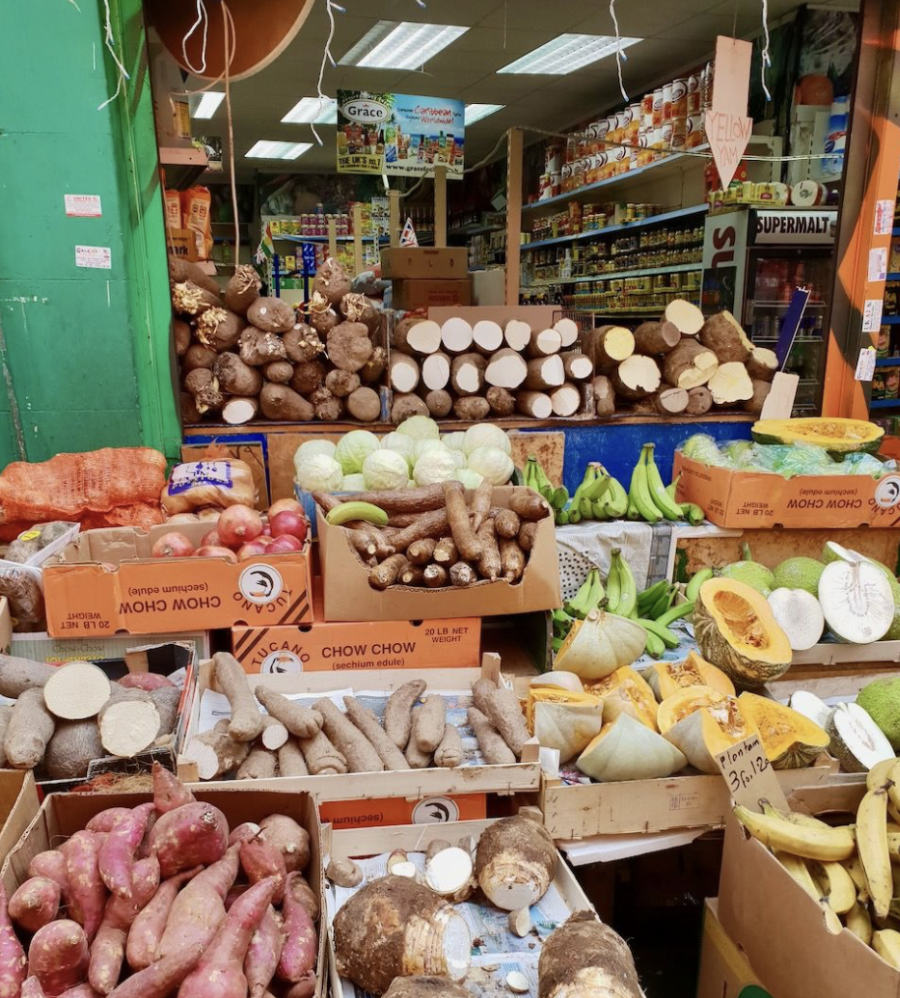
On the contrary, a longstanding fruit and veg grocer, operating without labels such as ‘vegan’ or ‘organic’, is accessed and utilised by the entire community. The affordable cost of the staples they sell helps sustain and maintain the health of us all. But now with the impact of gentrification, these older stores are being replaced by the same idea, just remarketed to a different audience.
A vegan cafe or artisanal bakery using the same ingredients and rebranded basics.
The affordability and accessibility of health are now dissolving. Residents, once fuelled by these local and affordable spots, now turn to other food options. Usually, those immune to gentrification. Chain restaurants like KFC, McDonald’s, and Chicken Cottage. Affordable but often highly processed. Even the health of the long-standing community is now being compromised.
After recently relocating to Melbourne, I’ve noticed how here, immigrant communities still hold a huge section of the city’s food scene. The city still produces upscale restaurants and cafés, but they don’t yet feel like a direct threat to local, authentic eateries in the same way I’ve seen elsewhere.
A few weeks ago, I was sitting at a skatepark with a friend when I overheard a conversation between a group of young boys. They were debating what to have for lunch, a playful back and forth between KFC and Banh Mi. I found myself awaiting their return, curious to see what they had chosen. Both options were probably the same price, and both were equally close to the skatepark. When they came back, each of them held a sandwich overflowing with fresh vegetables and vibrant sauces. I felt quietly pleased with their choice. That moment captured something central to this writing: choice. The boys had access to both fast food and a local business. One offering fried, processed meals. The other offering herbs, vegetables, and freshly baked bread. One choice sustained nourishment and community; the other did not.
A part of me wished that kind of everyday choice was as widespread and accessible in London, a city I once called home. A city where everyone could once move through with the freedom of choice and access to tasty, healthy, and affordable food options.
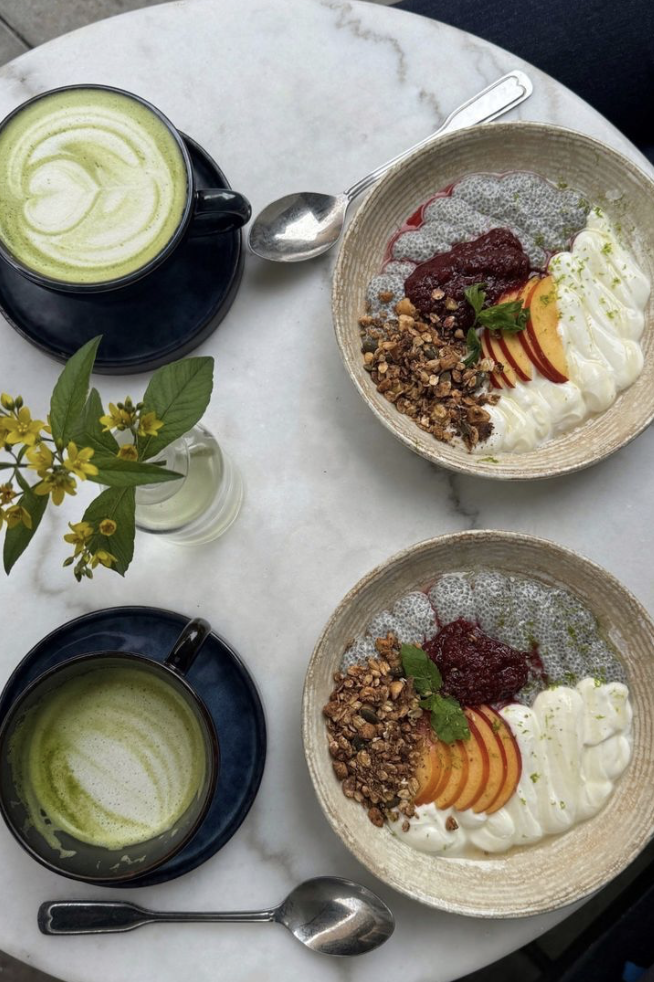
The issue with a diet and lifestyle becoming a trend, like veganism, is that it becomes a performance. A dance of the most aesthetic. Whose smoothie bowl is the most Instagrammable and whose matcha is the greenest? Instead of looking at plant-based foods through the lens of nurture, health, and culture. A lifestyle and diet once led by conscious living and eating. It becomes less about personal choice and more about performance and comparison. More about individuality instead of togetherness. More about disconnect than connect.
Sourced Through Pinterest
There is often little to be done when it comes to the gentrification of our homes and communities, as it continues to reshape neighbourhoods in ways that feel both visible and subtle at the same time. What begins as a gradual change in housing, rent prices, and local infrastructure inevitably extends into everyday life, including what we eat and how we access food. Our plates and diets, therefore, are also increasingly dictated by these wider shifts, as spaces that once provided affordable, culturally rooted food begin to disappear or transform beyond recognition.
It is important, then, to educate ourselves on cultural plant-based traditions that have long existed outside of these commercial frameworks, championing clubs like The Garden of Afruika and supporting local businesses that continue to stand strong without labels or rebranding. These spaces remind us that plant-based living has always been embedded within cultural practices and community life, rather than something newly constructed or commodified.
Ultimately, gentrification is not just about who a neighborhood is for, but about who it slowly becomes inaccessible to. It shapes not only where people live, but what they are able to afford, recognise, and sustain as part of their everyday lives. In that sense, food becomes one of its most visible expressions — a reflection of shifting communities, but also of what is lost along the way.
Somewhere along the line, veganism has been turned into something to present rather than something to practise. Food, at its core, is about nourishment, culture, and connection. It is about sharing, about history, about community. When we strip that away and replace it with branding and aesthetics, we lose meaning. And we lose belonging. Veganism is not reserved for any one class of people.
The question is whether we are willing to look beyond the label.