Hana Eid Is Letting the Trains Run Backwards
By Alivia Stonier
Across her musical career, Hana Eid has always led with honesty. Leading you through the depths of heartbreak and the continual growing pains of navigating your early twenties. Her debut album, Trains Running Backwards, is the highlight of this journey across her body of work so far, adding a new layer of addictive grit.
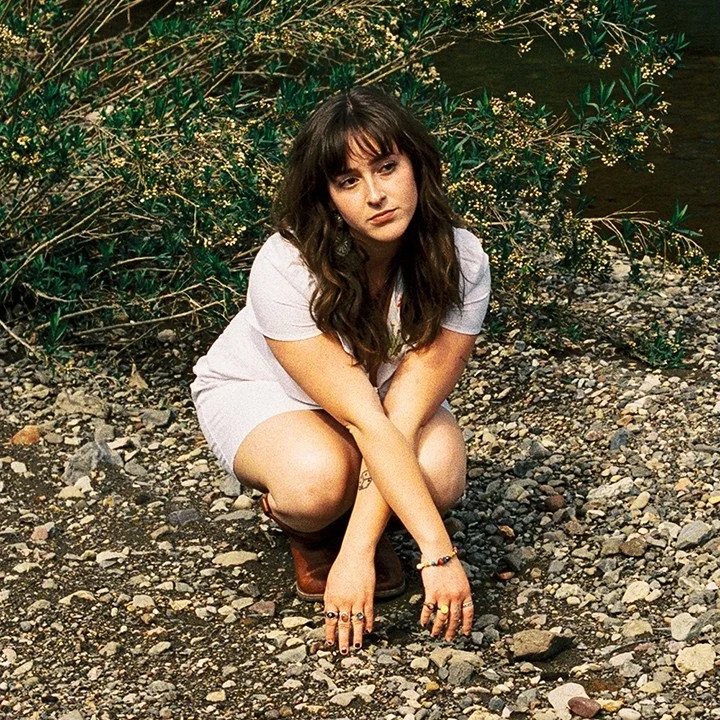
Courtesy of Hana Eid
“I pulled the album title from the song ‘Come Over’ because it’s the first line of that chorus. I didn’t come up with the title independently; I just pulled it from a lyric. That idea is about things moving antithetically to how you want them to move. That’s classic being in your twenties–you have all these plans and ideas of how things are going to be and all of this romanticization around it. Some of that rings true, but some of it feels completely convoluted. So that’s what it means to me: things happening differently than you might expect or opposite to what you might expect.”
To understand how this project came together, we discussed Trains Running Backwards in comparison to the previous scope of her growing discography. “Interestingly, we did it really fast. It was definitely different. It was largely overwhelming, but it was also really fun. I’ve always wanted to do a full-length record. That’s always kind of been an essential part of having a career in music to me, [in] being able to do a full-length project. So it’s definitely awesome to be able to do it, but it was so different because it was way more material, and we did it a lot more quickly because I was recording it out in LA with my friend Noah Weinman. We kind of sped through recording the bulk of it. I did one song in Nashville with my friend Joseph, and then we toured through it, but it was awesome. It was different. It was just so different.”
“I definitely had to trust myself a lot. There wasn’t really time to overthink every creative and sonic decision, which I do tend to do. I usually sit with things for a really long time and get in my head a little bit. So that element of it actually ended up being really nice because it was a lot of leaning into my creative impulses and really having to trust myself. I would say that’s probably the main thing.”
The musician delved into collaboration and working with Weinman, “Noah’s super awesome and super talented. I’ve been a huge fan of his artist project, runner, since high school. It was very collaborative, probably the most collaborative recording process I’ve had. We were both playing everything and coming up with ideas together. I usually go into the studio with a particular vision of how I want the song to sound, and they did sound how I wanted. But what Noah brought to the table as a producer and as an artist who understands what it’s like to be in my position was really special. He could connect with what I was feeling and the emotional labor of making a record. We just worked really well together.”
With collaboration comes an unspoken vow of trust between artists. Hana opened up about the vulnerability that this side of the work takes. “I do tend to trust everyone. One of my New Year’s resolutions was to be less trusting in my personal life. But I’ve never considered my writing particularly vulnerable until other people told me it was. I’ve always just thought it was honest, and that’s how you’re supposed to write. Vulnerability in my art has never been something I’ve struggled with. It feels essential to making the art.”
Weinman wasn't the only long-term collaborator as Joseph Cohen also helped to bring the song “Bet” to life, “I love Joseph’s music and his artist project. We’ve been friends for a long time in Nashville, and I love his production. I’m ultimately a fan of everything he does. We started that song while I was pulling the record together. Then I realized it was going to be on the record, so we finished it. Then I did the rest with Noah. It was really fun. I’ve been blessed with many talented collaborators on this project.”
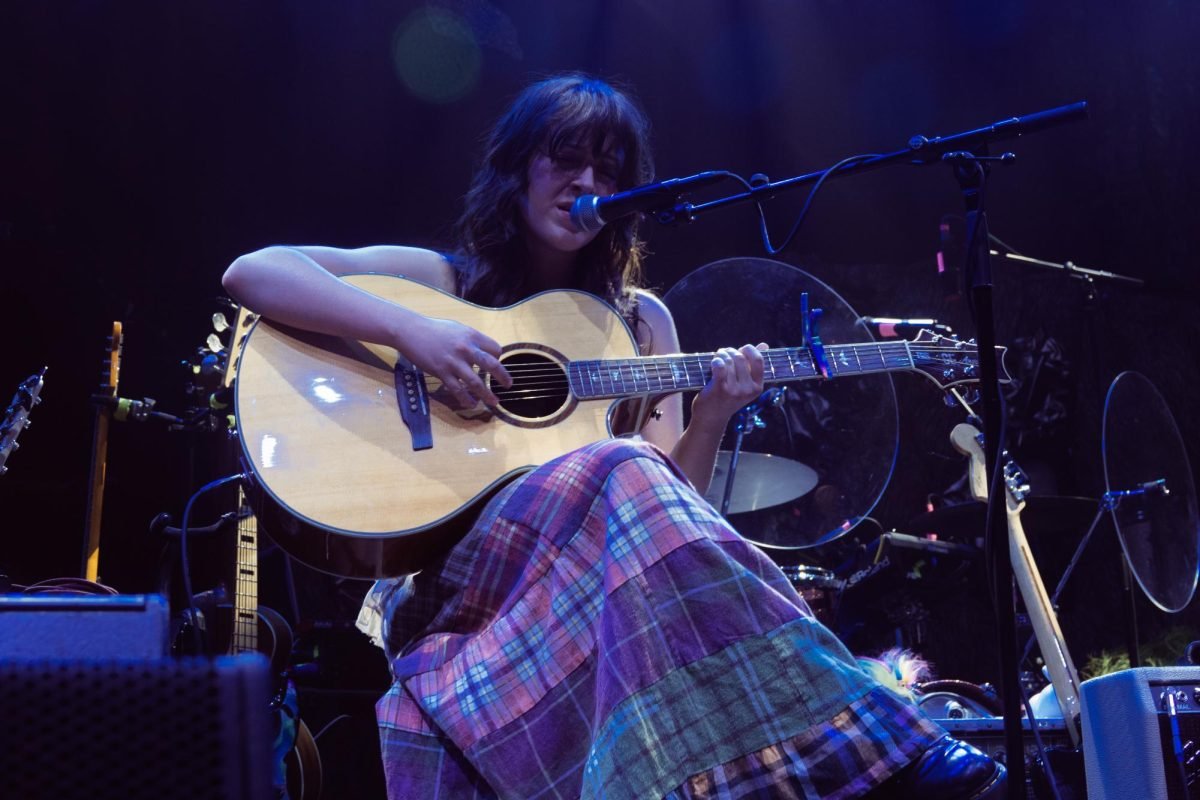
Credit: Abbie Bobeck
We then took things back in time to 2024 with the release of her EP I Exist Because You Say So, a cohesive coming-of-age collection that developed her signature mark as a comparison point for informing narrative development. “All of the new songs, the album songs, are also sort of coming of age to me. A lot of them I wrote as far back as 2022 or 2023, around the same time that I was working on the EP. So it all kind of is coming of age to me, but maybe a bit more mature and refined and intentional. I feel like I was able to dive into more specific storytelling and those thematics, and also some overarching sonic themes. I was able to maintain some of that cohesiveness with even more material, which was tricky. I think it’s all coming of age to me because I’m still sort of coming of age. I just turned 22 last February, so I’m about to be 23. A lot of the songs I wrote when I was 19, 20, 21. I would still consider that coming of age. I’m still just a kid.”
What struck me about Eid was the way that she is able to perfectly blend anger with nostalgia, the difficulty of coming of age without softening the edges, pulling them to the ledge only to bring you back in with a softness that is the blend of moments in life. When talking about this balance, the artist had this to say. “I really like rock music, and I also really like poetry. That’s kind of how that interacts. I tend to sing in a softer way, but the stuff I like to listen to is pretty heavy–often heavier and more experimental than what I write. I think it’s just combining two things I care about: poetic, softer lyricism with the energy of rock music.”
One thing that inspires Hana outside of music is literature and poetry, which she has touched on across our previous discussion. Given that it is influential to her interest as an artist, I was curious if she had any new recommendations.
“I just finished Villa Incognito by Tom Robbins. It’s a little bizarre, fictional, fantastical, kind of political and philosophical. It reminds me of some of the more sci-fi Kurt Vonnegut stuff, like The Sirens of Titan. I’m a big fan of both of those authors.”
In my previous conversation with the singer, we discussed how songwriting helps her to dissect things she wasn’t able to process without allowing some space. I wondered if that was still true across this record. “I can write from a more present place when I really want to or if there’s something specific I need to get off my chest. But songwriting is sort of like journaling to me. I throw everything on the page and then decide what’s going to stick or what feels resonant. Sometimes I’ll write a song and wonder what it’s about, and other times I know exactly what it’s about while I’m writing it. It’s probably sixty-forty.”
“Songwriting is like journaling. It’s the same catharsis as sitting down and writing when you’re agitated or preoccupied. It helps me process in that way.”
Building off of that led to a discussion about specific tracks and the production behind them. “‘Catalyst’ was a longer song at first, but I wanted something that would serve as an interlude. I shortened it and wanted it to be mostly synth and vocal so it would feel sonically different. It feels very The 1975 to me. It took its own shape once I realized it would be an interlude.”
“I also love the way “Stare” is produced because I live-arranged it with my band before we recorded it. I love it when I have a band arrangement I’m comfortable performing. Being able to record that arrangement is really nice because I’m usually married to it immediately.”
In terms of her favorite at the moment, though, the artist said, “Maybe ‘Stare.” I think that will always be one of my favorites. I also love “Waldo.” It might be the best-written song on the album, and it was my favorite when I wrote it because it was one of the more recent ones.”
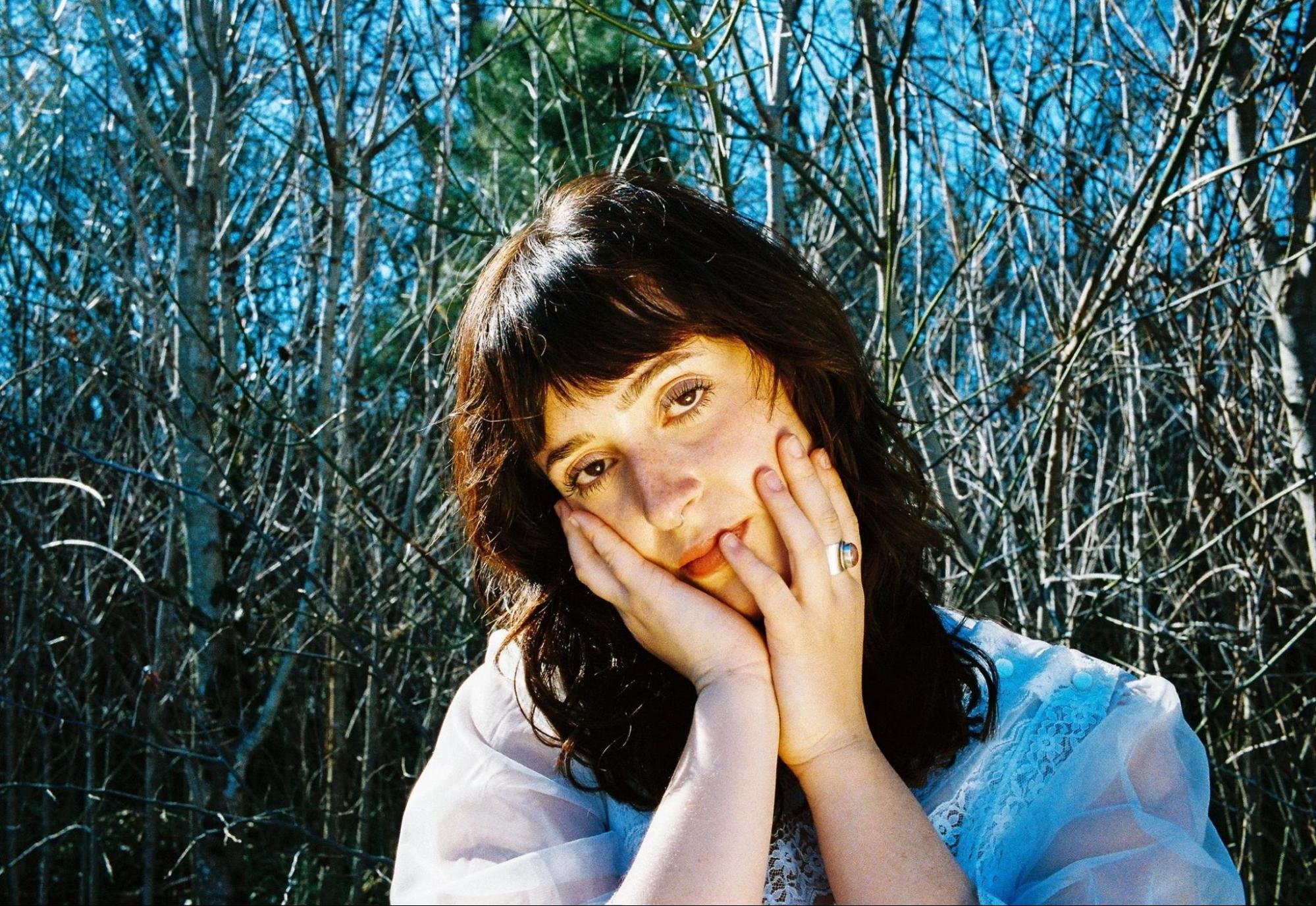
Courtesy of Hana Eid
Despite the balance of rock influences and softness across the record, the final track “Radio Star” really takes away the edge and goes back to the more soft sonic landscape that Eid can ease into. ““Stare” feels like it should be the end because it’s grand and chaotic, so ending with “Radio Star” is almost like a fake-out. It’s gentle and resolved, and you don’t expect it. I appreciate drastic changes in pace when I’m listening to full-length records. Attention spans are fried, and it’s hard to get through twelve songs. It felt like the right choice, and I wanted it to stay soft.” Admitted the singer.
Given that there have been many developmental changes across this record, not only with the collaboration and new emotional directions, but also the willingness to experiment and not be so married to these ideas in comparison to previous works.
Eid talked openly about this growth, “Transparently, it’s the biggest self-investment I’ve made in my career—financially, emotionally, and in terms of time and marketing. It’s the most material and creating I’ve done, and the biggest tangible commitment. That’s complicated but also really nice. It’s something I did. I was always mentally committed to this career path, but now I’ve committed in a tangible way by putting out a record, touring, and investing all this time. That’s completely affected where I’m at mentally in my career.”
“I also stopped working with management in mid-October, right before the album came out. I had worked with management for three years. So I’m still regrouping and learning how to take over those processes. The responsibility has doubled or tripled, but it’s nice to feel completely responsible for myself. My old manager, Casey, who I love, was trying management, but it wasn’t her long-term career path. She was kind enough to work on my project for many years and was essential in getting this record and the EP done. Now she’s doing awesome things, and we’ve always worked together as friends.”
On the topic of more of the behind-the-scenes level, when it comes to being an artist, especially in today's world, not only are there the challenges of management and the logistical side of releasing music, but also the need to perform on social platforms in a way that didn't exist for previous generations.
“I’m trying to beat the idea that I need to go viral out of me. I don’t think virality necessarily leads to retention. I’d rather have a loyal fan base that knows my music deeply and knows what I stand for. I value that more personal relationship. There is a lot of pressure to go viral, but I think it’s kind of a pipe dream. I post on TikTok every day. I like editing videos, but I don’t love making them. I’m trying to find ways to enjoy it.”
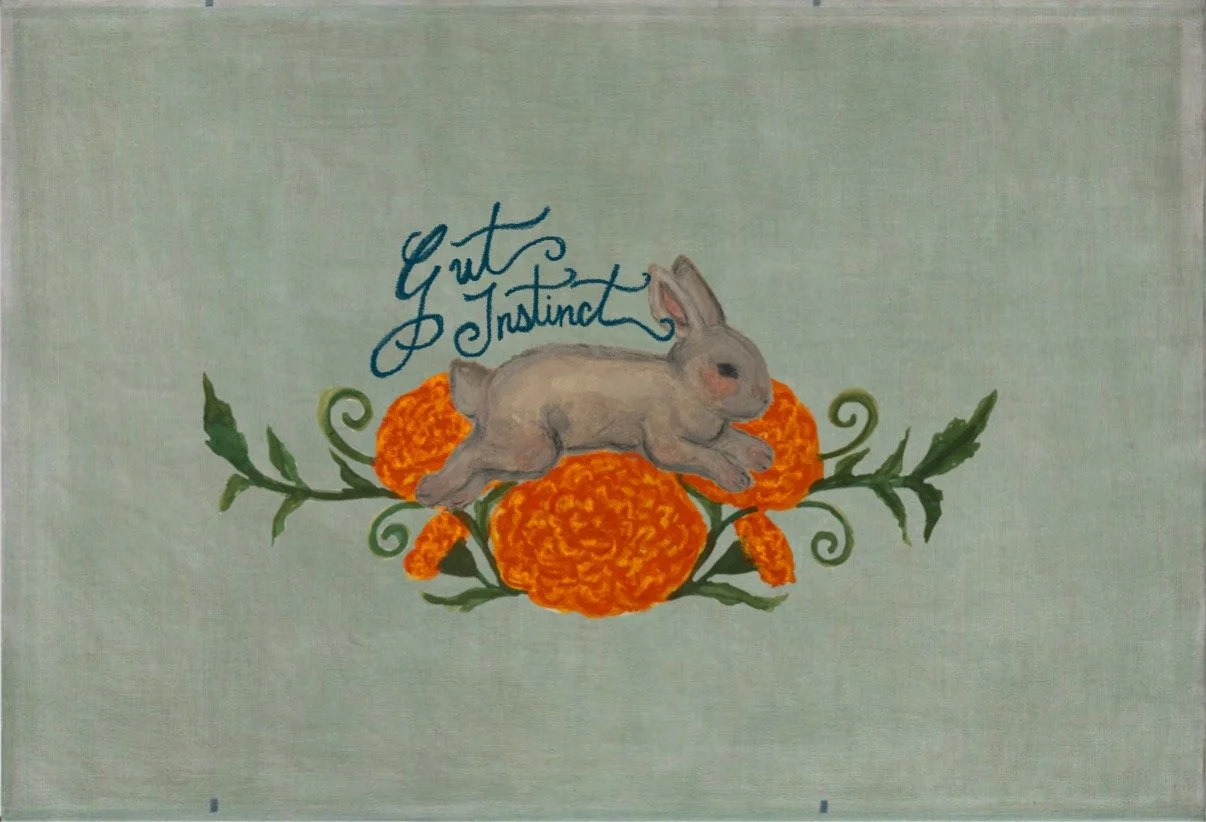
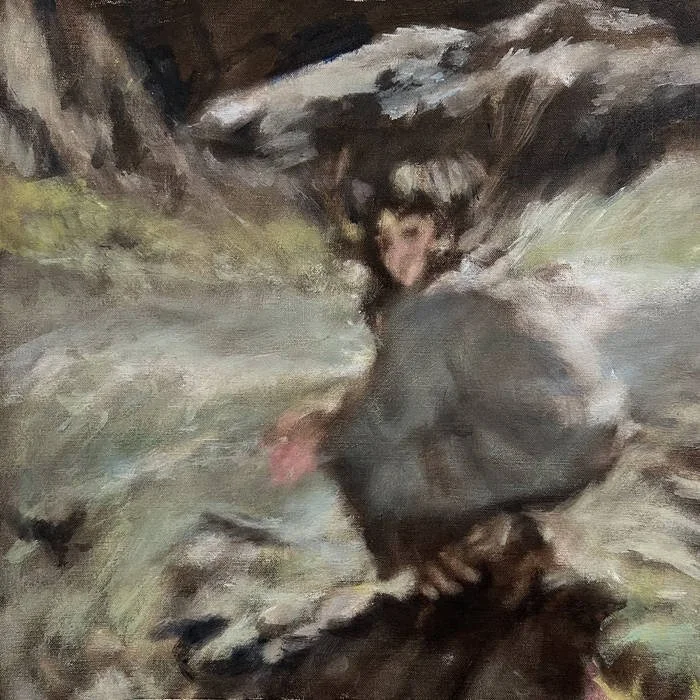
In terms of creative decisions outside of the actual music, we also got to discuss the album art. “Last February into early March, I went to Australia and New Zealand to visit friends studying abroad. We took a helicopter trip and went down into a valley by a waterfall. There’s a film photo of me from that day that became the album art. In the original photo I looked off guard, but I loved the greens and the blue of my jacket. That nature imagery felt resonant with the music, especially what I saw in Queenstown and the Milford Sound area on the South Island.”
“My friend Molly Velazquez painted that image onto canvas. She’s a phenomenal artist and makes wonderful music. A lot of her album art inspired me, so I asked her to paint it, and she did.”
Despite the album being completed, there is still more to look forward to with the artist having recently embarked on her first headlining tour, and I got to catch up just before it started. “I’m fortunate to have awesome booking agents who handle a lot of the routing and logistics. It’s exciting, and also scary and new. I love playing shows, and I’m excited to return to cities and venues I’ve played before on support tours and do my show the way I want to. We’re driving across the country, which will be awesome.”
“I always love playing live. I think “Headfirst” will be fun. I haven’t done that one live before.”
On the topic of the excitement for the new shows that were to come, we also touched on memory is from some of the best previous ones leading up to this new adventure. “When we opened for Runner, we drove from Salt Lake City to Denver, and the drive was so beautiful that we all cried. It was incredible. Also, opening for Somber before he was super famous was wild. That was my first tour, and now his career has taken off in this crazy way.”
Courtesy of Hana Eid
As her career continues to grow, I wondered what else the artist was looking for to finish off our conversation before she hit the road. “The goal has always been to make enough money to live and not have another job. I’d like to tour more and have the money to record albums whenever I want. I’d love to do more publishing work and write on other people’s projects, maybe even sync work. I don’t really want to be really famous. I just want to live.”
This driving motivation is a clear force that allows people to authentically gravitate towards her music and someone who truly creates it as a form of her own personal therapy. A bubble of honesty that her listeners can step into and feel seen within as she continues to navigate early adulthood and shape the rest of her life both creatively and outside of being the artist that takes the stage each night.
To catch more of Hana and hear how much heart she has put out into the world, you can catch her on tour now.