Who’s Afraid of Being Political?
By Anna Seger
Following One Battle After Another’s Best Picture win at Sunday’s Oscars, one reporter asked Paul Thomas Anderson, “How does this one reflect where we are or where we’re going in society?”
The director playfully scoffed and stepped away from the microphone before joking “I thought we were supposed to be partying?” to an eruption of laughter from the crowd. At the end of his short, stuttering, and vague ramble about how the film “obviously” has a “certain amount of parallels” to current issues, he concluded that we should “at least bring common sense and decency back into fashion.”
The tepid stance is unsurprising in the context of the industry’s trend towards neutrality. Just a month prior, the Berlin International Film Festival sparked controversy for avoiding and admonishing political discussion. Hours before the festival officially opened, in a morning press conference with the festival director and competition jury, political journalist Tilo Jung asked panelists for their feelings about both the Berlinale’s and the German government’s lack of support for Gaza. The Zone of Interest producer Ewa Puszczyńska responded first, stating that it is “a very complicated question” and “a bit unfair” to ask. Wim Wenders, celebrated German filmmaker and president of the Berlinale’s competition jury who once said that “every film is political,” jumped in next. He expressed a decidedly different worldview from earlier in his career: “We [as filmmakers] have to stay out of politics because if we make movies that are dedicatedly political, we enter the field of politics. But we are the counterweight of politics, we are the opposite of politics. We have to do the work of people, not the work of politicians.”
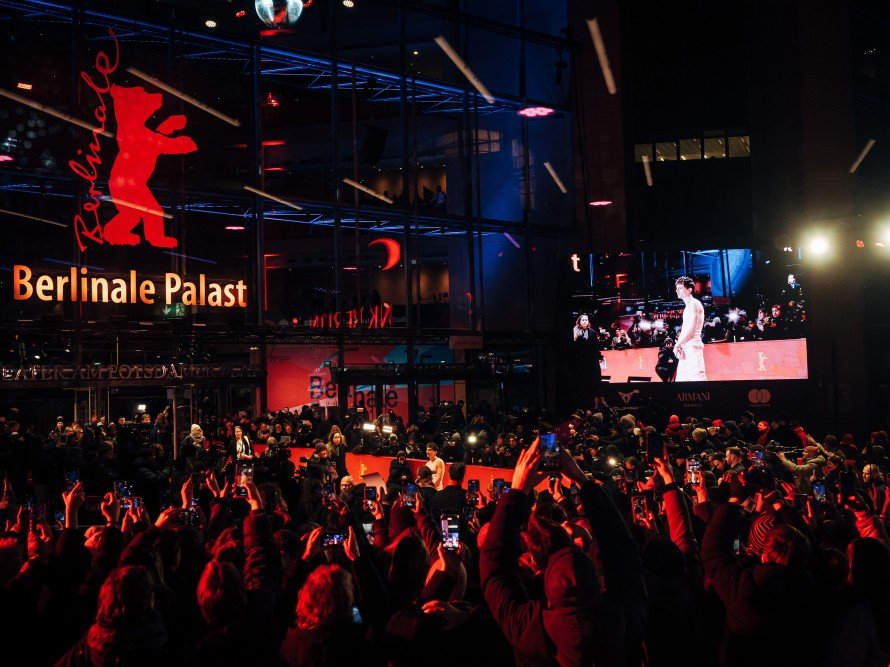
Credit: Daniel Seiffert/Berlinale 2025
A similar sentiment was echoed by others throughout the festival. When Jung asked, “How can movies these days help fight the rise of fascism in Europe and America?” actor Neil Patrick Harris replied “We live in a strangely algorithmic and divided world right now, and so as artists I’m always interested in doing things that are apolitical.” Comments like these lead me to wonder whether these artists believe the art they are making has any power or potential beyond acting as a vessel for escapism. It is a romantic and naive understanding of artistic creation as not only separate from but above the concerns of humans’ daily lives. The idea that all art is political is not new, yet recent years have seen many filmmakers and artists adopt a kind of detached, apolitical moral high ground.
Thankfully, many have passionately rejected this stance. An open letter signed by over 100 artists including Mark Ruffalo, James Wilson, Tilda Swinton, Adèle Haenel, and Javier Bardem condemned the Berlinale’s “institutional silence on the genocide of Palestinians” and “policing” of filmmakers speaking out on political issues. Javier Bardem would go on to be the most outspoken voice at the 2026 Oscars, beginning his presentation for Best International Feature film by declaring “No to war and free Palestine,” causing the room to break out into a round of applause.
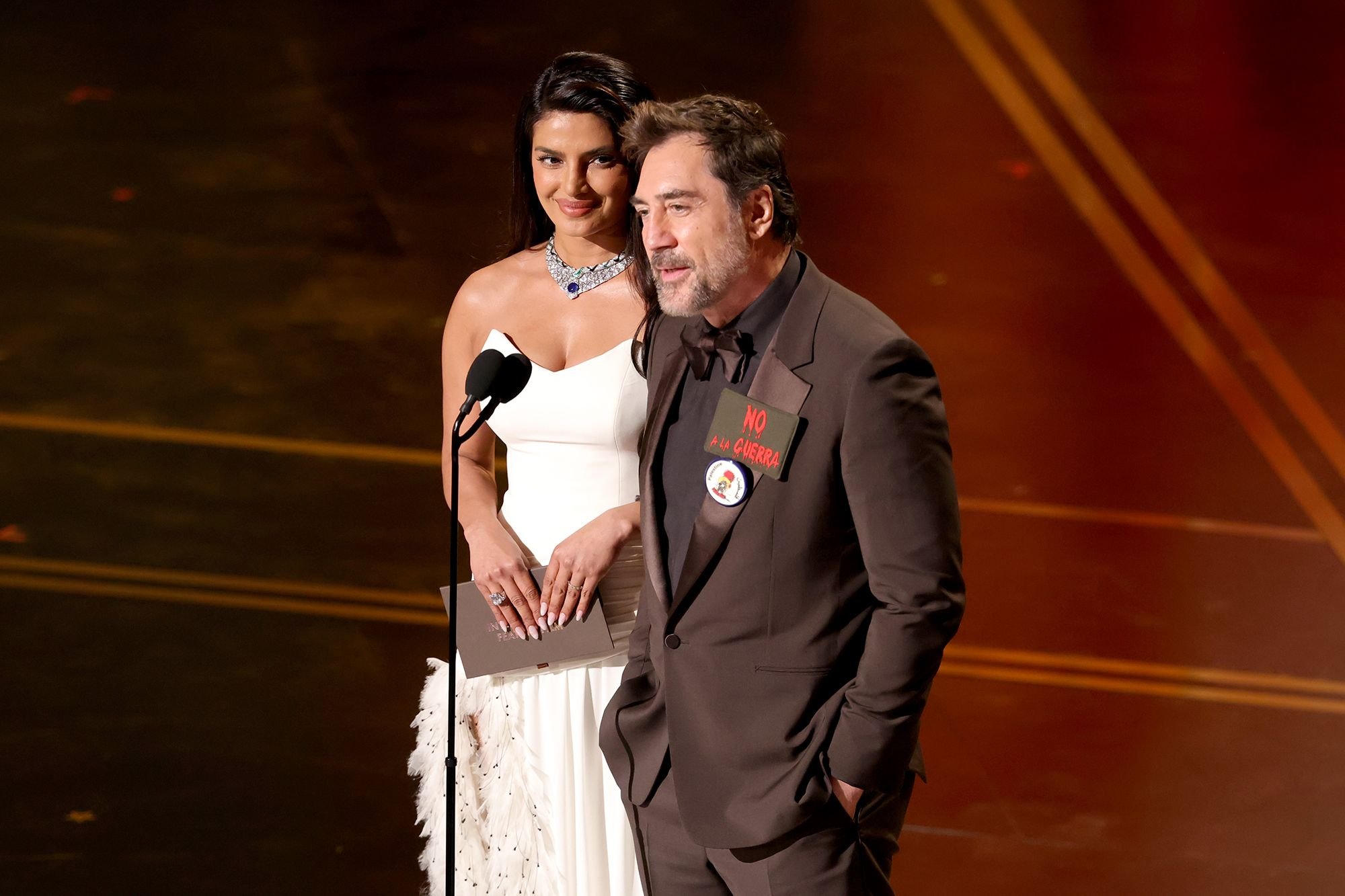
Credit: Kevin Winter/Getty Images
In a backstage interview with The Independent, Bardem explained: “That's what I try to inspire. Like, ‘Guys, it's OK. You can be part of the community of film-making, and also be a citizen, and it's OK.' One thing should be OK with the other.”
Understanding the reciprocal relationship of each person and the culture, society, and government they participate in is essential for everyone, not only artists. Festivals that seek to promote connection through art cannot do so without acknowledging the tangible influence of art in the real world, and filmmakers who adopt radical aesthetics for their works cannot do so in an artistic vacuum, ignorant to real world politics.