'The Bride!' That Left Critics Divided
By Hannah Ferguson
Sourced from Pinterest
If you know me, you know I despised Del Toro’s Frankenstein. And if you don’t know me, you can read all about it here. Released only months apart, Maggie Gyllenhaal’s The Bride! feels almost like a corrective—finally giving voice to the women of Frankenstein, both its true creator and bride, who have long been silenced.
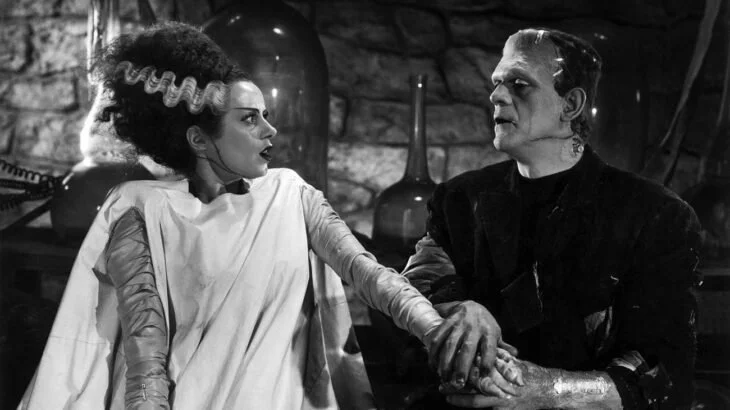
While no Bride exists in Shelley’s novel Frankenstein, the character nevertheless became a cultural icon in Universal’s 1935 film The Bride of Frankenstein. Despite holding the titular role, the Bride appears on screen for less than two minutes and never speaks a single word. It’s almost an enigma that such a brief and voiceless character became one of horror’s most recognizable figures.
For nearly a century, the Bride has existed more as an image than a character. Her towering white hair, the stitched bandages, the shock in her eyes—these visual cues became staples of horror iconography despite the fact that she never truly existed as a person within the story. She was created for the Monster, introduced to the audience, and destroyed almost as quickly as she arrived. In many ways, the Bride represents one of cinema’s earliest examples of a woman defined entirely by her purpose for a man.
Sourced from Pinterest
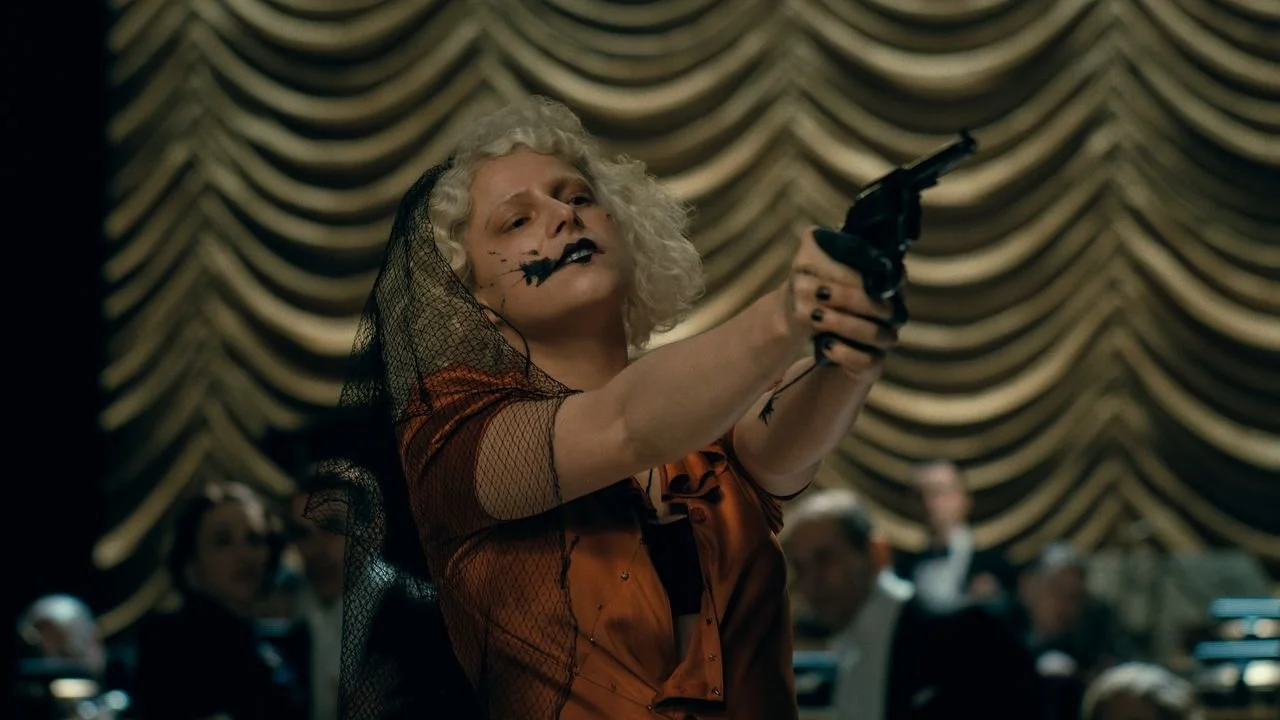
Perhaps, like Gyllenhaal, we were captivated by the ambiguity of this voiceless woman, and it was long overdue for someone to grant her agency. Gyllenhaal’s approach to that absence is undeniably ambitious. While there are certainly peaks and valleys in her execution, one of the film’s most fascinating—and at times convoluted—choices is the creation of a reality in which Mary Shelley invents the character of The Bride from beyond the grave. In this interpretation, The Bride becomes something almost omnipotent, carrying knowledge passed down not only from Shelley herself, but from the women harmed by the male perpetrators within the film. Though she never asked to be created, she uses this reincorporated life force to access something the character has historically been denied: agency and will.
Much of that power comes from Jessie Buckley’s performance, which holds an electric intensity through every emotional shift. Opposite her, Christian Bale’s Frankenstein feels equally complex and conflicted. Though The Bride was technically created for him, the film refuses the idea that her devotion is automatic. Her affection, if it can even be called that, becomes something that must be earned rather than given—subverting the very premise of her creation.
The film itself mirrors that defiance. It is absurdist, fantastical, and chaotic in ways that feel intentionally unruly, paying homage not only to Shelley’s original novel but to the long history of Frankenstein adaptations that followed. Moments like the sudden “Putting on the Ritz” dance sequence feel both reverent and irreverent at once, acknowledging the legacy of the story while refusing to remain bound by it.
I really delighted in the film’s unapologetic embrace of camp. Frankenstein adaptations are often expected to be solemn Gothic tragedies, steeped in shadow and melancholy. The Bride refuses that restraint, veering instead into theatrical excess, surreal humor, and deliberate absurdity. But camp has always been a language of subversion, particularly within stories about power and identity. By leaning into that tradition, Gyllenhaal transforms what might have been another tragic footnote into something far stranger—and far more alive.
Public response, however, has been far less enthusiastic. The film currently holds a 57% on Rotten Tomatoes and struggled to break even during its opening weekend. Critics have been vocal about their disappointments, with Vulture dismissing the film as an “incoherent disaster.”
And while some of these criticisms are understandable—Gyllenhaal’s vision is undeniably unruly and chaotic—the intensity of the backlash raises a more interesting question: why does a film that dares such a bold reinvention provoke such hostility?
Cinema has long embraced the bizarre when it arrives under the banner of male auteurs. The surreal, dreamlike worlds of David Lynch or the absurdist logic of Yorgos Lanthimos are often celebrated as strokes of inventive genius, their confusion and strangeness considered part of their charm. Yet when a female-directed film centered on female autonomy embraces a similar kind of chaos, the reception becomes noticeably less generous—suddenly the same qualities are described as sloppy, incoherent, or excessive.
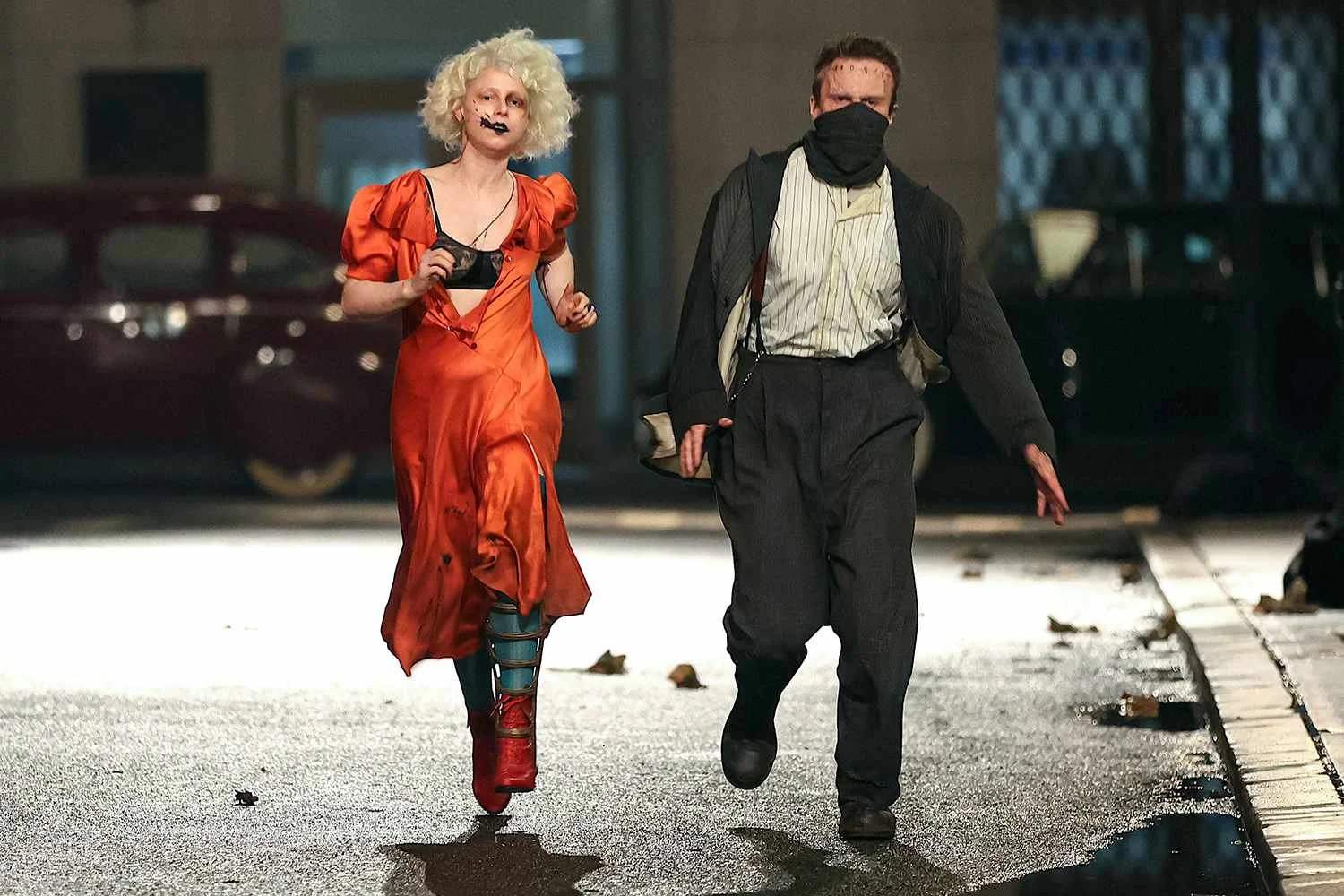
Sourced from Pinterest
Like many films that eventually become cult classics, The Bride may simply be ahead of its time. Its voracious audacity and unapologetic camp sink their teeth into the subconscious, leaving behind something stranger—and far more memorable—than a faithful retelling ever could. If nothing else, it proves that even two centuries later, Frankenstein is still capable of doing what Mary Shelley intended all along: unsettling the audience.