Leilani Patao Has Something To Say, But Not on Spotify
By Néya Sridhar
According to Leilani Patao's mother, their future was announced before it even began. Born at Cedars-Sinai Medical Center in Los Angeles, Patao was reportedly the loudest baby in the building.
"The nurse was like, shut that baby up," Patao recalls. "And my mom was like, ‘I knew you were destined to do something loud.’"
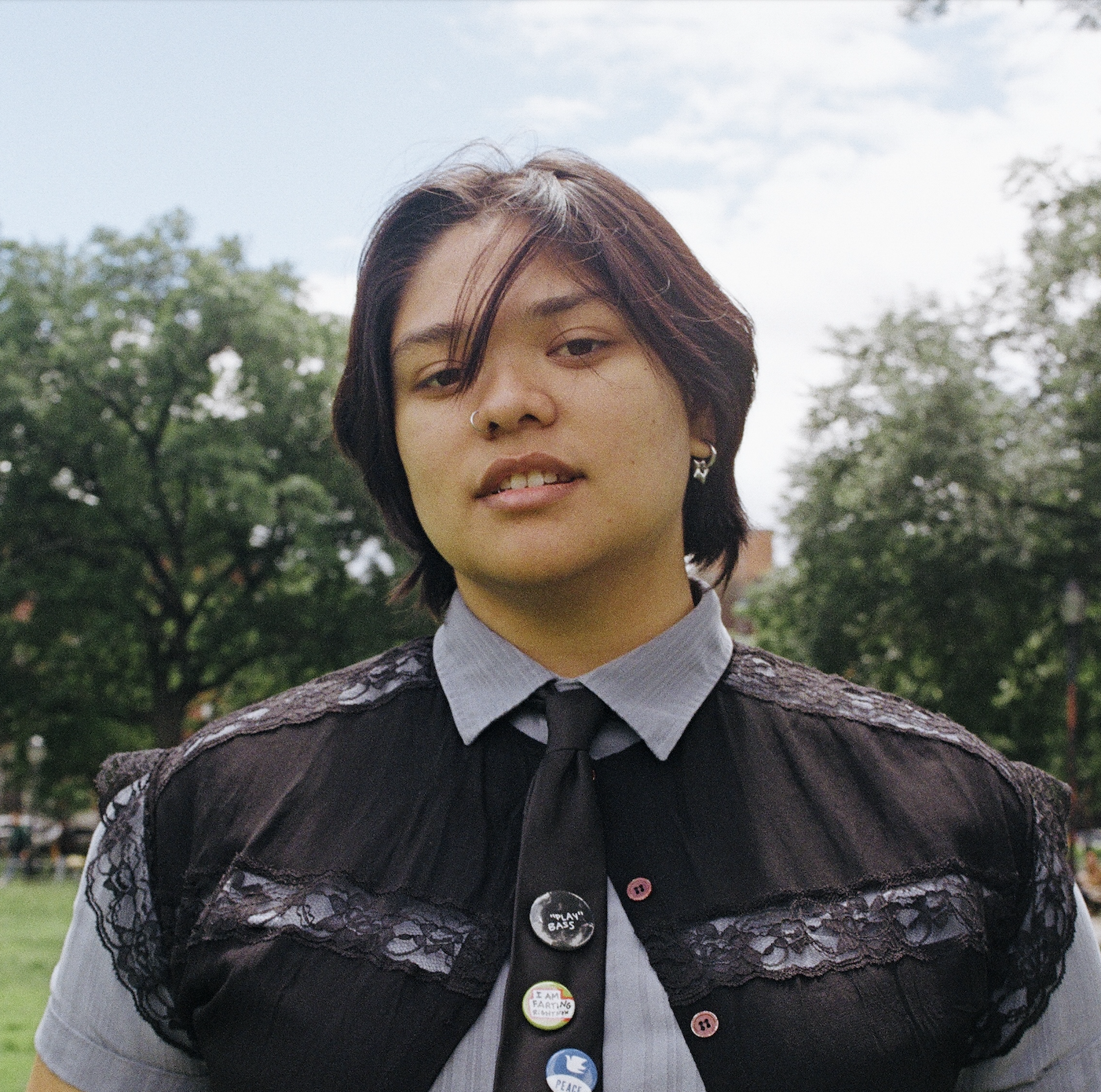
Leilani Patao; Headshot by Shannon McMahon
Patao, 22, laughs while telling this story—not because it's funny, but because it fits. They grew up in Los Angeles and now live in Brooklyn. The ukulele came first, courtesy of a grandfather who, they say with obvious affection, "believes he is a famous musician." He taught them the instrument when they were 8. From there, any occasion was fair game.
"Any chance I got, any wedding or school function, I was singing," Patao says. "I think I just love making noise, apparently."
There was also a karaoke machine, and a very specific childhood fantasy involving Selena Gomez. "I was like, a famous person's gonna show up to something I'm at and they're gonna think I'm the hot shit now." The famous person never showed. The work did, however.
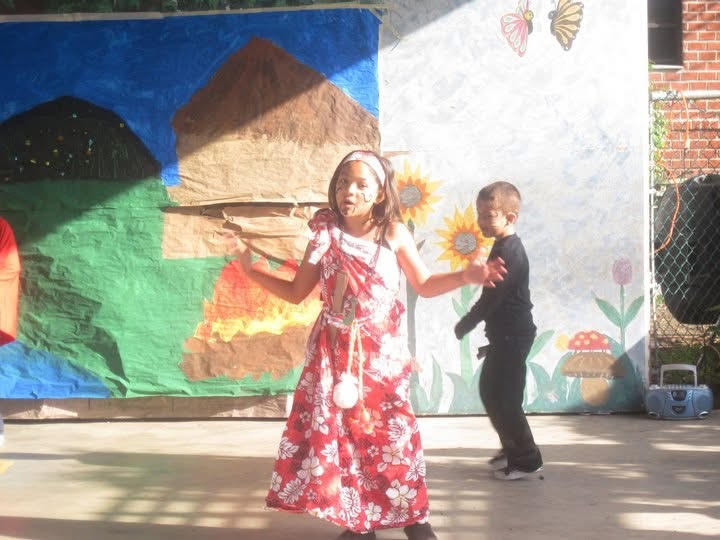
Patao’s First Performance; Photo Provided by Leilani Patao
Patao was around 16 when friends in a high school music technology class introduced them to Ableton. Patao was in opera instead, convinced that was the path, but they learned enough to get started. “I bought myself a cheap interface, and I was like, this is it,” they say. “I spent all of 2020 writing songs all the time.”
Two self-produced albums followed. Then came Prophet Tree, a glitch-punk project fronted by their girlfriend, Nat Yew, a musician Patao had known since elementary school. Their days were filled with birthday shows, house shows, and a skate park gig that got busted, forcing everyone to run from the police. Playing the Los Angeles underground circuit changed something in Patao’s heart.
“Prophet Tree really showed me the true ethos of DIY music,” Patao says. “Music can be a means to an end: to deliver a message, to make your community feel safer, or even just to have fun. If DistroKid was my first toe in, Prophet Tree was the rest of my toe.”
Enrolled at NYU’s Clive Davis Institute of Recorded Music, Patao walked into a room full of “big fish with some fabulous egos and great talent to back it up” and spent a year figuring out who they wanted to be. What emerged was But What If?, released in July 2024, their first serious push. It was promoted relentlessly on TikTok and landed them on The Tonight Show Starring Jimmy Fallon.
The segment Patao appeared on was “Battle of the Instant Songwriters.” Patao lost. Their prompt — “nothing says I love you like a scratch-off lottery ticket, Father’s Day edition” — did not help. “The other guy got ‘waited too long to get my beach bod’ and wrote a body positivity song,” Patao says. “[It] was rigged.”
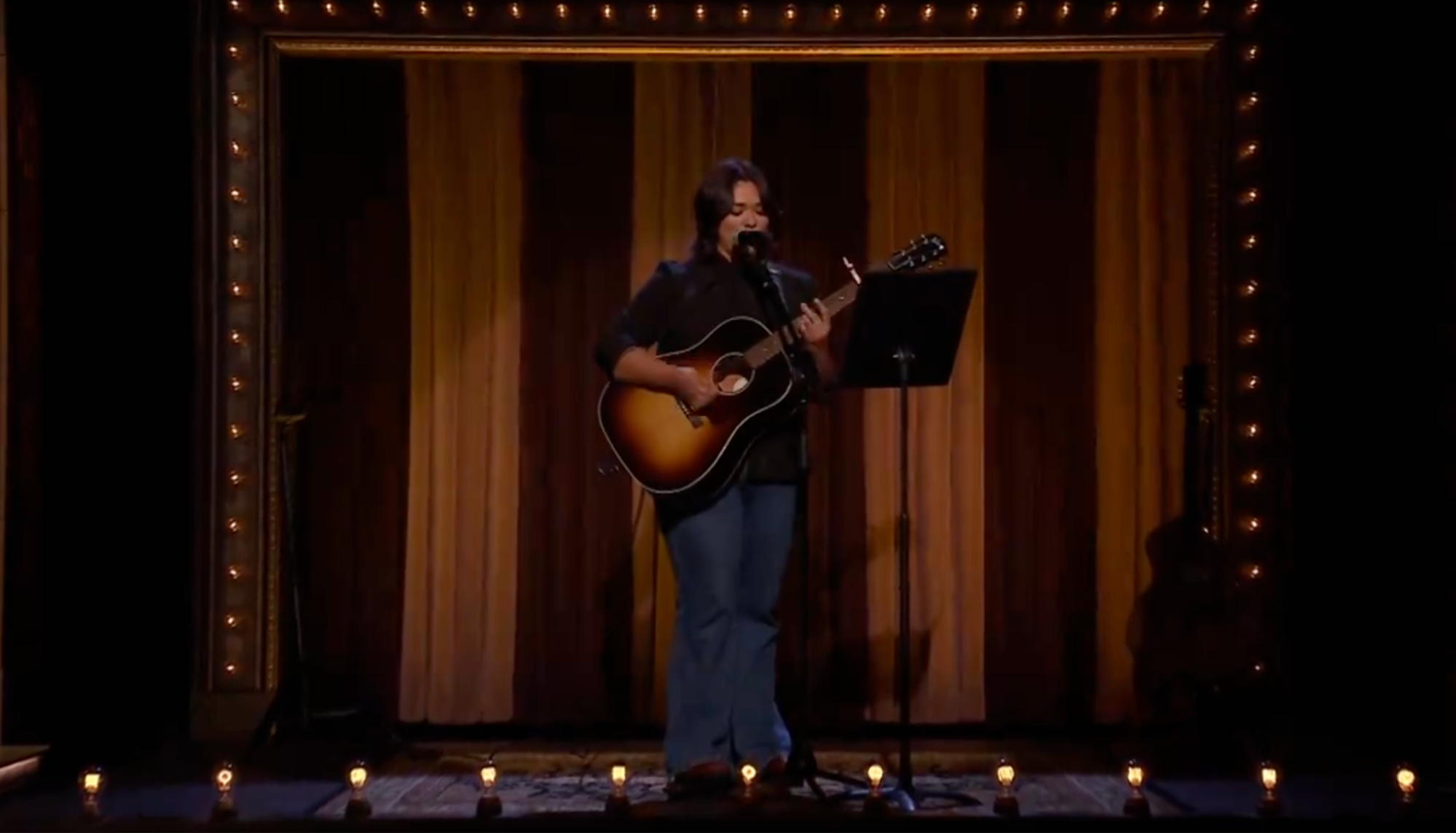
Leilani Patao Performing on The Tonight Show Starring Jimmy Fallon
But something felt off after the release cycle wound down. Patao said, “I felt upset with myself. Maybe I’m not what the world wants to hear. What if I’m just another artist hoping to be discovered on TikTok, the same way I wanted Selena Gomez to notice me?”
Patao’s sophomore year brought an accumulation of hard things: a breakup, a fight with a close friend, and the death of her childhood dog, Daisy—a shelter dog she had picked out herself in first grade.
“She passed at a time when I was going through that damn breakup, and my roommate was moving out. Everything was going wrong,” Patao recalls. “I’m the kind of person who throws stuff out. All my childhood toys are gone, all my childhood clothes. Daisy felt like the only remnant of my childhood. When she passed, it felt like the end of something.”
The EP (also daisy) grew out of that period and is difficult to hold by design. Patao’s voice is processed and chopped, nearly unrecognizable. The lyrics are intentionally half-obscured. “Cut” circles a breakup in which someone is waiting to be released. “Branded” carries guilt over Daisy’s death: “I should have been the one they buried in the yard.”
“daisy came out of not wanting to tell people what I thought, but still wanting people to ask me, like, what the hell is wrong? I wanted someone to come find me, in a way,” Patao says.
At first, Patao considered a stage name. The music felt too raw to release under their own name. “But the longer I listened, the more I realized: this is a portion of my life. This is a sound I’m really proud of. And I want to share it on my own terms, in the same way I wanted people to come find me,” she says.
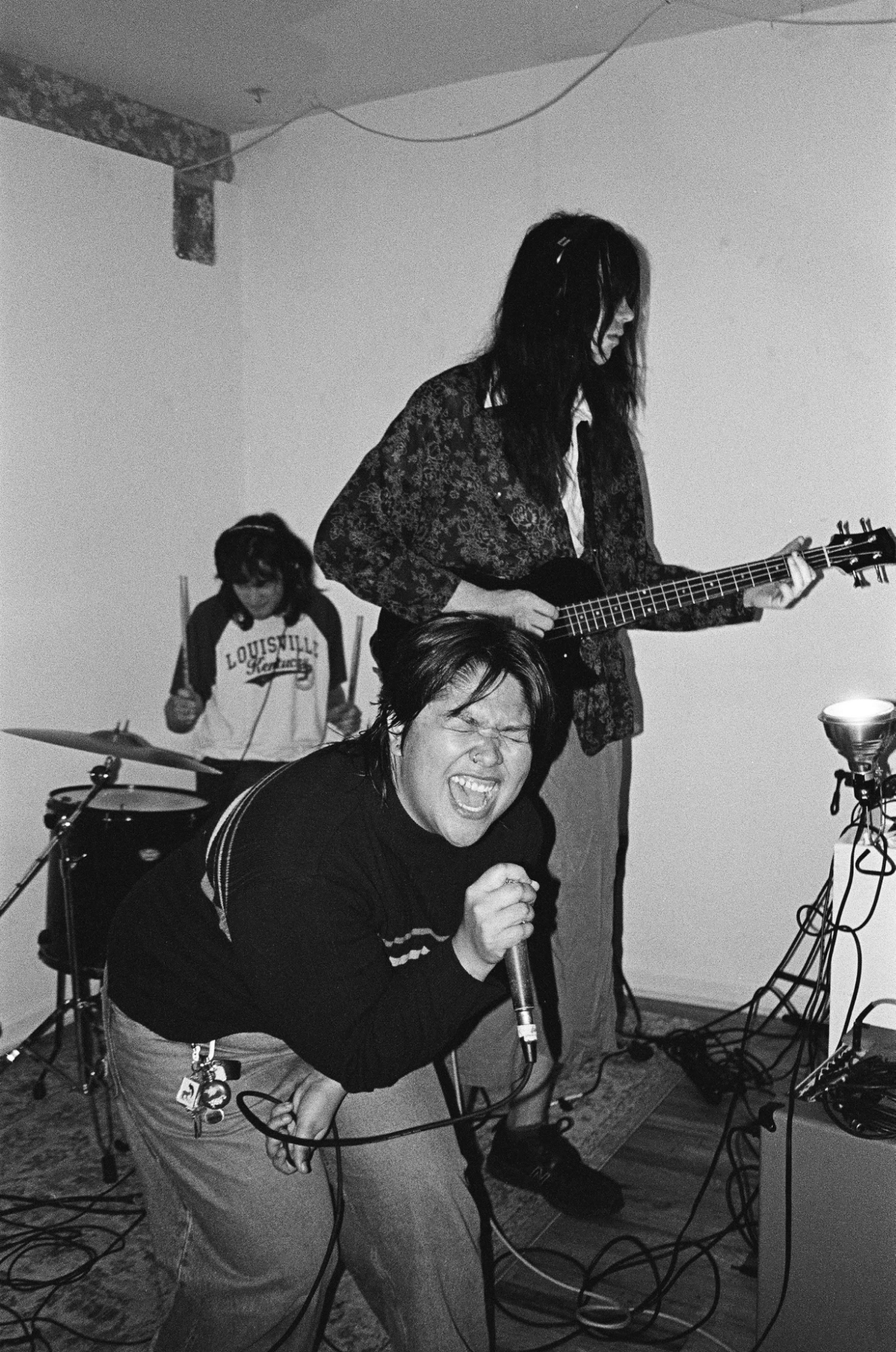
Photo by Shannon McMahon
There’s an issue, of course, that every artist faces: how to make enough money from their art to sustain a life. Between the ages of 16 and 21, Patao made roughly $47 from streaming.
“That number is a measly $45 over five years,” they say. “I felt frustrated that this was how I was having to think about my releases.”
As a lesbian, Indigenous Native Hawaiian trans person, Patao felt the contradiction of relying on funding systems that worked against everything they were singing about. Spotify founder Daniel Ek had announced he would chair Helsing, an AI military technology company. ChatGPT was generating Spotify playlists. Fractions of pennies were flowing to places Patao did not want them to go.
“Any portion of any profit from streams I made could go toward something that counteracts exactly what I’m saying,” they say. “I wanted to see if there was even something small I could do.”
So daisy lives on Bandcamp. Patao started a Substack, got played on college radio, pitched music journalists, and has performed a show every month since October, each effort done by hand. The release show also served as a physical media fair, with a raffle benefiting GLITS, a trans-led New York organization, and the Palestinian Children’s Relief Fund. Funds were, indeed, raised.
“Real community care is giving people what they’re asking for. If someone wants to be paid in home-cooked meals, I’ll do that. If someone wants $100, I’ll also do that,” Patao says.
There is always the question of sustainability. “It’s currently more sustainable than streaming was,” Patao says. “I’ve made more money not being on streaming than I ever did on it. This is the most empowering option for me; it feels like the most ‘me.’ It doesn’t feel like I’m pretending to be someone else.”

daisy promotion shots
As for what’s next for Patao, the deluxe edition of daisy is due in July, with a new single expected in late May. A tour hitting both coasts is also planned for June and July, pointing to a busy summer ahead with more music and live dates likely still to come.