
'Marty Supreme' Is What Happens When You Don’t Go the Distance — You Go Further
By Natalie McCarty
What would you do for your dream? I know what Marty would.
Courtesy of A24
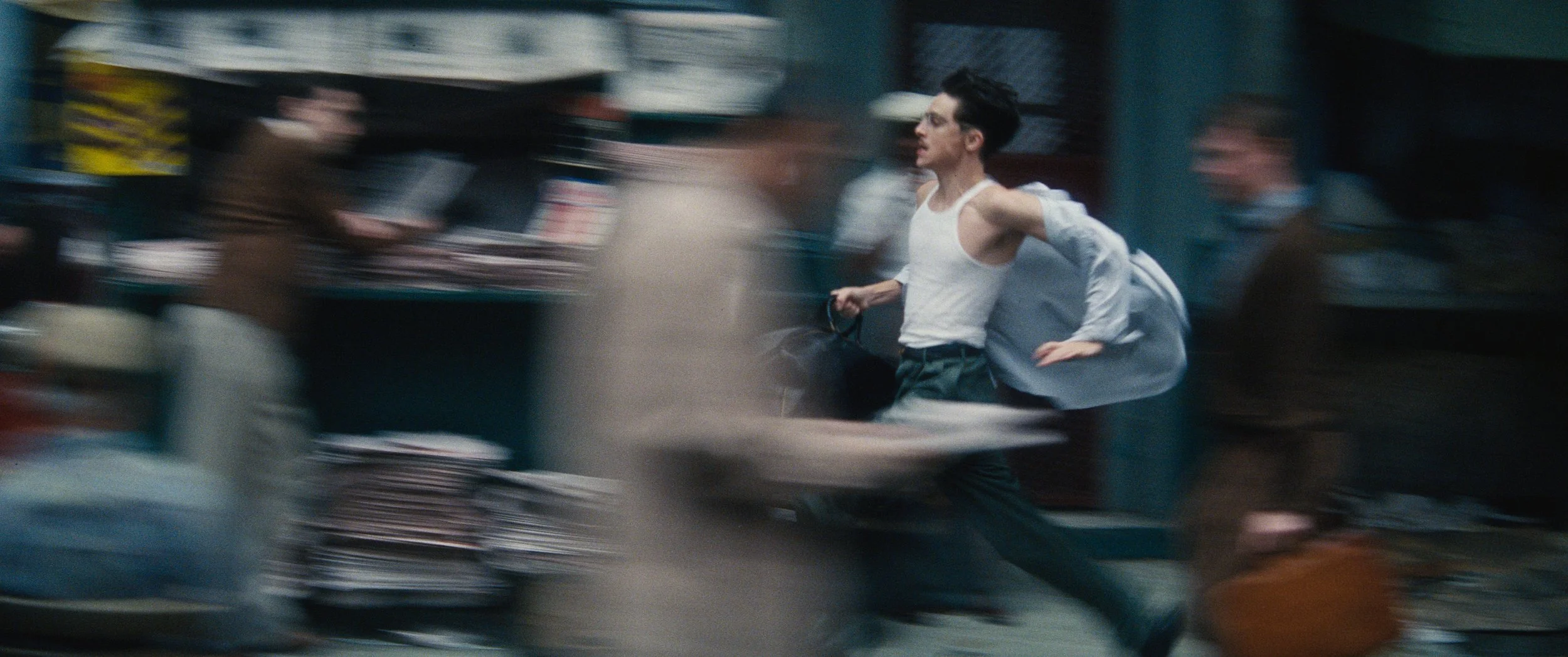
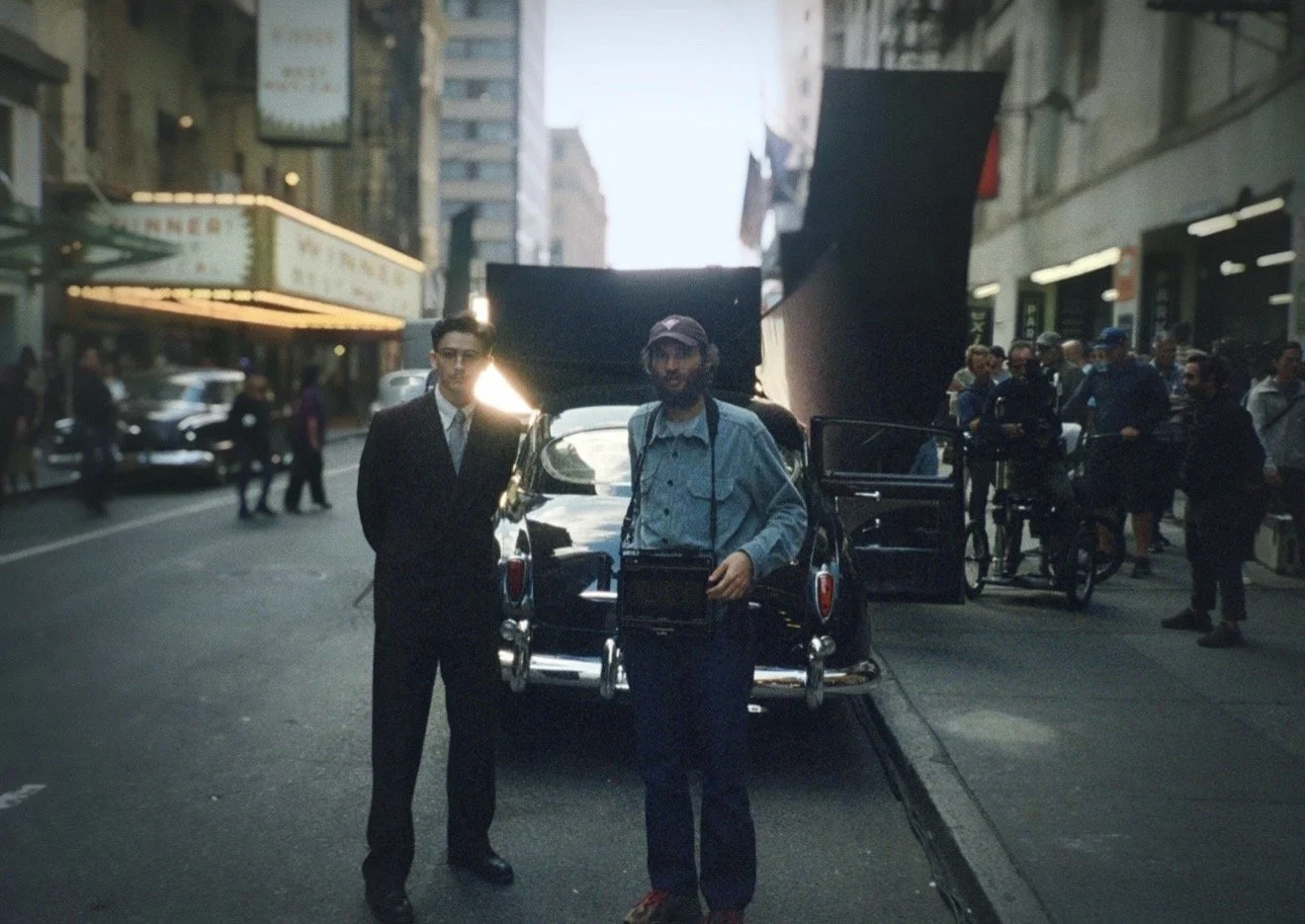
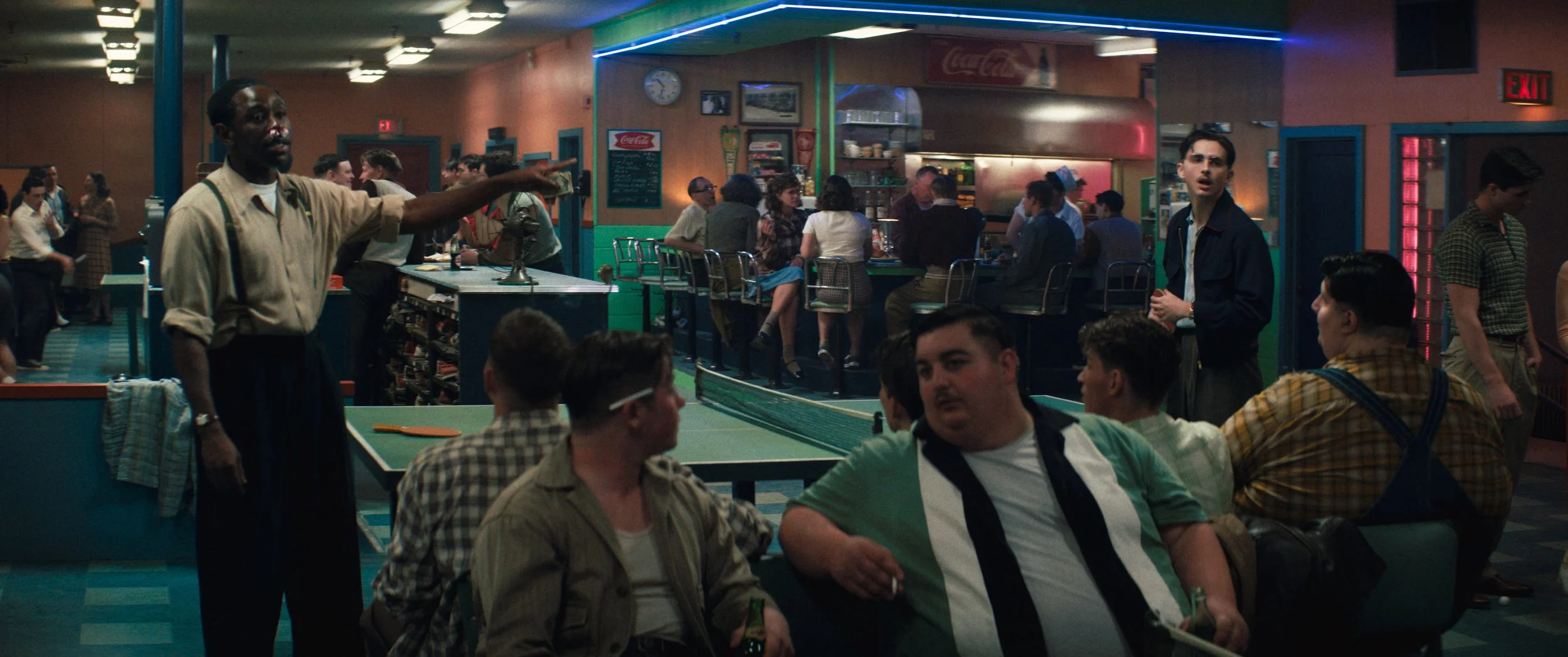
With a certain je ne sais quoi—one I can only really describe as The Queen’s Gambit-adjacent—Marty Supreme opens on what can only be described as its own, unmistakably New York world. More than a setting, New York is a mentality. A pace. A pressure.
Marty Mauser is a young man with a dream no one respects, and he goes to hell and back in pursuit of greatness. Not through something mythologized or universally admired, but through table tennis—a sport so overlooked in post-war America it borders on absurd. That’s the point. Marty doesn’t just want to win; he wants to matter in a world that has already decided he doesn’t.
As Rocky Balboa had Philadelphia, Marty Mauser has New York. More specifically, the Lower East Side—selling shoes in his uncle’s cramped store, living a life that feels pre-ordained, inherited, already written for him. Table tennis becomes his escape hatch. Not just from the store, but from the unspoken rules of who gets to dream big and who’s expected to stay in their lane.
Courtesy of A24
Though much of the spirit to me is akin to that of Rocky, there’s a key difference here between Rocky himself and Marty: recklessness in pursuit of the dream. Where both share discipline and devotion, Marty operates with a true, balls-to-the-walls abandon. Rocky fought the odds. Marty antagonizes them.

Courtesy of A24
And yes, I can’t help but think Rachel (Odessa A’zion), working at a pet store, has to be an Adrienne callback. I’m going to drive this home: Marty Supreme is Rocky, if Rocky made every wrong choice along the way. If he pushed when he should’ve paused. If he never learned when to stop. But I’m not saying that as a negative.
In fact, that’s precisely why I haven’t wanted to see a guy win this badly since Rocky—not because Marty deserves it, but because he believes, almost dangerously, that wanting something this badly isn’t a flaw. That obsession isn’t a weakness. That dreaming big, even when it costs you everything, is still worth it.
Rocky asked, Can I go the distance? Marty asks something far more dangerous: What if I don’t stop?

Courtesy of A24
By 2023, Timothée Chalamet had nothing left to prove on paper. Within eight months, he broke a 45-year-old record by starring in two of the highest-grossing films of the year—Dune: Part Two, Denis Villeneuve’s biggest box office success to date, and Wonka, which became the highest-grossing Willy Wonka film ever made. Over a billion dollars. Two radically different worlds. Total cultural saturation.
And yet, Marty Supreme is what he chooses next.
The marketing campaign understood this instinctively. I genuinely can’t think of another recent film that sold itself the way Marty Supreme did… maybe the Los Angeles Harry Styles’ Pleasing pop-ups, but even that was celebrity-forward. This is different.
There’s a cult mythology attached to this jacket, this campaign, this idea of wanting more. Misty Copeland. Kid Cudi. Bill Nye the Science Guy. The orange ping-pong balls. The blimp circling Southern California. The EsDeeKid collaboration. This marketing is contingent upon its belief-building.
In an era where ambition is constantly reframed as delusion and burnout is worn like a badge of honor, Marty Supreme dares to want something badly. Earnestly. Obnoxiously, even.
The cast only amplifies the film’s gravitational pull—Kevin O’Leary (who knew the Shark Tank guy could act?), Gwyneth Paltrow, and my personal hero Tyler Okonma—but this is Timothée’s movie through and through.
Courtesy of A24
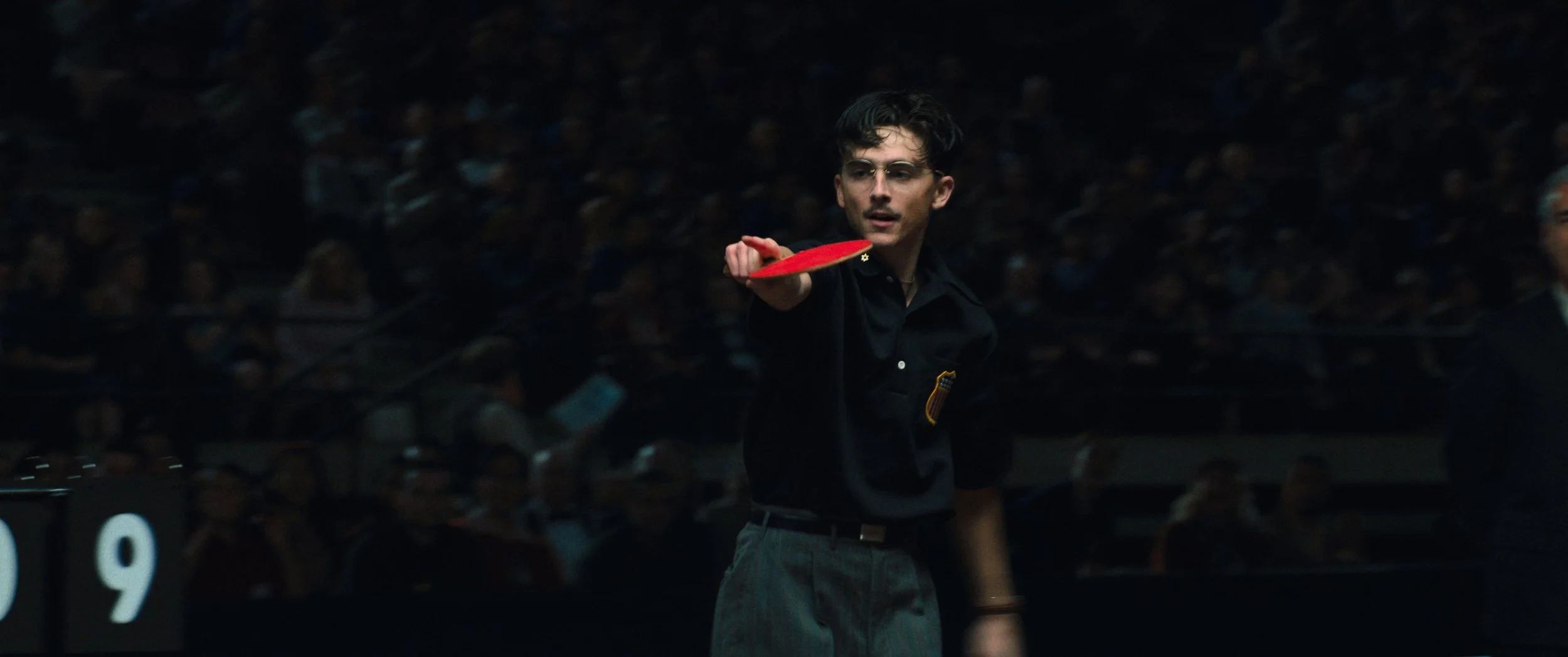
Cutting to the chase: the film begins with Marty losing the 19th British Open. He comes back with more to lose, and that much more to gain.
The provocative truth and the uncanny parallel here is that the same is true of Timothée. You lose an Oscar, you come back hungrier. Scrappier, somehow. You dream bigger. You produce and star in Marty Supreme. You may even win the Oscar for this.
“Sometimes when you lose, you’re a winner.”
I learned to love Marty so much I forgot this wasn’t a true story. But in many ways, it is. Because dreams are what make you, and how you respond when one gets crushed, how you keep it from dying, is what defines you.
Marty is charming. A natural salesman. That unmistakable Timothée magnetism is weaponized here. As Marty himself says, “I could sell shoes to an amputee.” It’s perfect casting.
The film is relentless in classic Safdie fashion—never safe, never still, never allowing relief. But threaded through the chaos is this radical optimism: Even when everything in my life is falling apart, I’m going to figure it out.
Ridicule isn’t Marty’s only hurdle. He’s contending with an overbearing mother, a pregnant girlfriend, empty pockets, and the quiet violence of a capitalist system that only rewards “serious” ambition. But for Marty, every obstacle becomes a reason to double down. Every doubt, fuel.
Courtesy of A24
What Marty Supreme understands is that a dream runs on belief. First, your own. Then, if you’re lucky or relentless enough, the belief of others. Those who believe with Marty are along for the ride. Those who don’t are simply run over (by a car, even, perhaps).
To not even allow the thought of failure to enter your consciousness—to refuse it mental real estate—is the mark of the greats. Purpose, meaning, obsession: these are often framed as disadvantages. I’ve wrestled with that too. So has the guy in Whiplash. Anyone calibrated toward greatness has.
You get up, you keep going, you keep dreaming.
And when your dream happens… then what?
You get a new one.
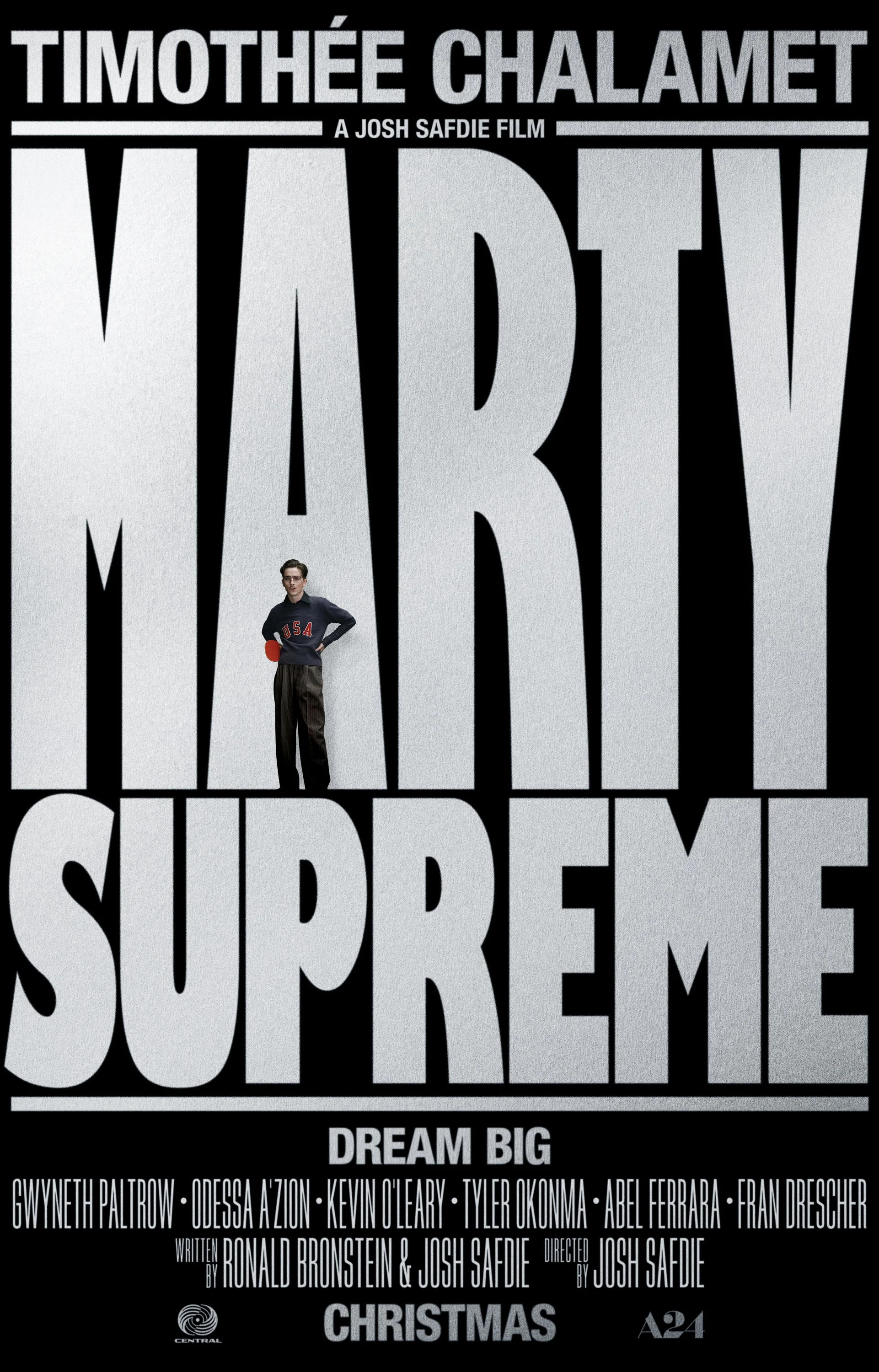
Courtesy of A24