Prediction Markets and the Problem with Betting on Everything
By Kianna Amaya
The first time I heard of Kalshi was during the 2024 presidential election cycle. An old college peer posted a screenshot on their Instagram story of a bet they made on the Kalshi market: “Who will win the Presidential Election?” I knew nothing about Kalshi, but I immediately found it distasteful. I just didn’t realize how prevalent Kalshi would eventually become.
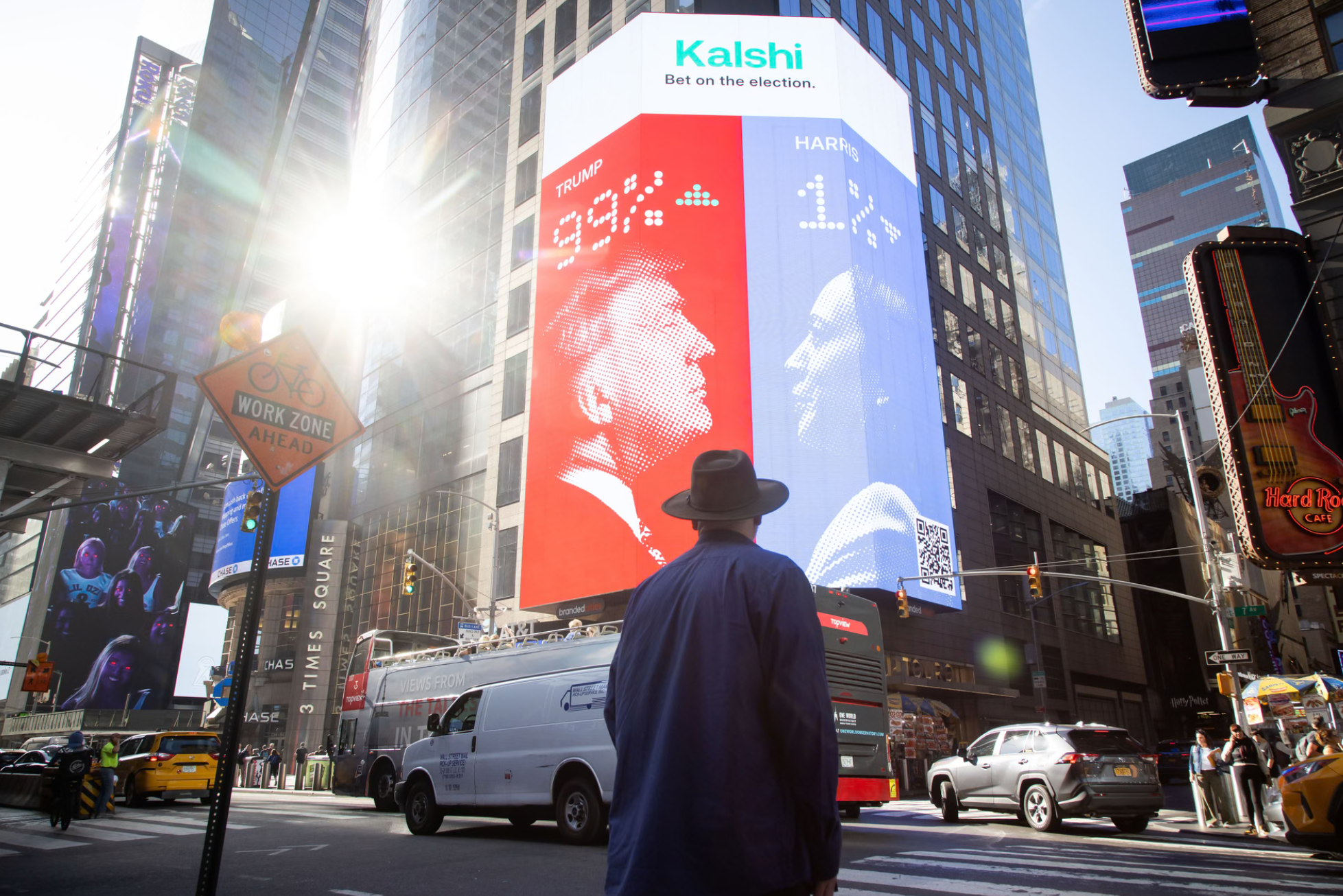
Sourced from The Guardian
Now I can’t escape Kalshi ads, especially on TikTok. Ever since the start of the World Cup, my TikTok feed has been inundated with bets on every match. I’ve seen ads promoting betting on the winning couple on Love Island and on who will win Big Brother. Even Timothée Chalamet posted a quite controversial ad on Instagram promoting Kalshi.

Sourced from Kalshi on YouTube
It may seem like prediction markets like Kalshi just popped up recently, but Kalshi was founded in 2018. Another popular prediction market is Polymarket, which was founded in 2020. Prediction markets are an old concept, as old as, if not older than, Michelangelo’s Sistine Chapel. The oldest known record of a prediction market is from Italy, a 1503 bet on who would be the next Pope. So for centuries, people have been participating in prediction markets, often political or economic.
Over the years, technology has reshaped them. For example, the first electronic prediction market was Iowa Electronic Markets, created in 1988 and used to bet on the 1988 presidential election. A large portion of bets on Kalshi are sports-related, but they have crept into just about every facet of life, essentially opening the opportunity to bet on anything. Prediction markets have expanded beyond just politics and now have gone into natural disasters, war, pop culture, and just about anything you can think of. Looking at the categories on several prediction market platforms, I see bets on the top US Netflix show for the week and the precipitation in Seoul this month. I also see bets on what Trump will say this week and what MrBeast will say during his next YouTube video.
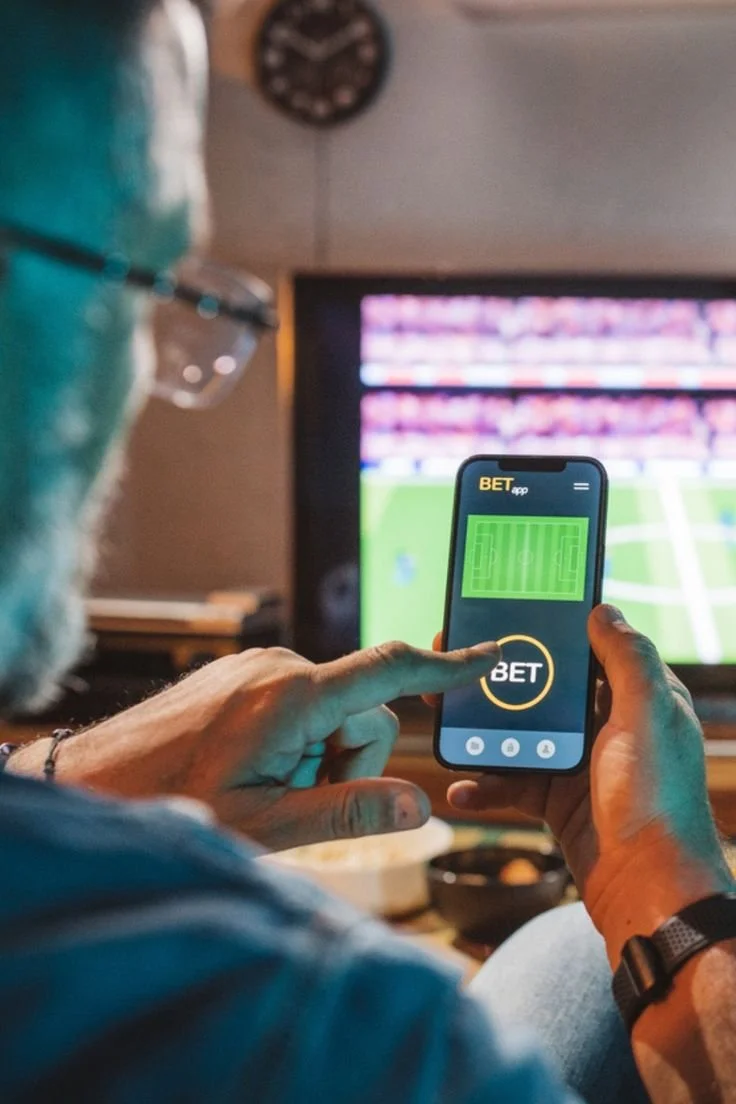
Sourced on Pinterest
The ideology behind these prediction markets is that the financial cost motivates people to make their bets (and their opinions) more accurate. Proponents of prediction markets claim this is a more effective way to make predictions than relying on expert opinion. It’s called the “wisdom of crowds.” However, skeptics say that these markets are driven by a small group of individuals who have advantages over the average person. Essentially, the odds are against most. Skeptics also view prediction markets as more a form of gambling than an analytical predictive tool.
I can name several downsides or issues seen with the proliferation of prediction markets. Skeptics will call it a new form of gambling accessible from your phone. Gambling is a dangerous addiction as it has an impact on the addict and their family, leading to potential financial troubles, interpersonal struggles, and health issues. With prediction markets and the ability to bet on anything with little friction, the environment becomes a truly dangerous one for gambling addicts. There is also a major concern about insider trading, especially given how unregulated these markets are in the U.S. Betting on geopolitics raises particular concerns, as political leaders, officials, or others “in the know” can use that knowledge to win big. The Wall Street Journal reported that a U.S. Army soldier was charged with alleged insider trading on prediction markets. This soldier allegedly won hundreds of thousands by betting on markets, including betting on whether the U.S. would strike Iran.
There’s a major moral issue here. Take a look across the prediction market platforms, and you’ll see one like “How many acres will the Palisades wildfire burn in total?” or “Will the U.S. invade Iran before 2027?” It's just not the same as betting on who wins the World Cup or the NBA Finals. For example, if you put your money on thousands of acres being burnt in a wildfire, then you’d have a financial incentive to see more destruction. That, to me, is morally untenable. And major events like war are placed alongside bets about who will win an Oscar and what TV show is trending. It flattens these radically different human experiences and situations into the same financial incentive. What does that do to a person? Deidre Frontczak, a scholar at the Santa Clara Markkula Center for Applied Ethics, addresses my concerns aptly, ”What intellectual virtues, and what habits of the heart, does a zeal for prediction markets cultivate in us—as individuals and as a collective, as people together seeking our common good? Who are prediction markets training us to become?”
These prediction markets seem to ingrain the objective of capitalistic markets into the individual. Profits first. Every bet is a new opportunity for personal gain. When people are more concerned about personal gain than their fellow humans, something important is lost. Humanity becomes second to financial gain. That is not something I want to see spread.
As these prediction markets gain prevalence in the mainstream, they invite us to put a price on these events. They invite us to consider the potential financial incentive of a tragedy or the downfall of another. Events that were once just lived through or mourned can now be profited from. Now, you don’t just feel empathy for a community devastated by a hurricane; if you placed a bet, you just might make some money. It essentially commodifies the suffering of others. Sometimes the world dystopia is tossed about flippantly, but I genuinely find these prediction markets to be just that.
What is lost when everything becomes a market?
Sources: