
By Kianna Amaya
You’ve undoubtedly heard of data centers by now. Whether on the news, on social media, or in your community, it is at the forefront of Americans’ minds these days. It seems like overnight data centers have become the focal point of U.S infrastructure as of late. More and more data centers are coming to communities across America, but none more than in rural communities. As the construction of data centers accelerates in the U.S., 67% of planned data centers are for rural areas.
Just a few days before writing this article, whispers of a data center proposal began in the rural North Carolina county where I grew up. It sparked discussions that made it abundantly clear that virtually no one in the community wants one. Local officials then announced that the county had put a moratorium in place to prevent data center development in the county for one year. But this is not uncommon. Rural communities around the country are taking similar actions as they grapple with the rapid development of data centers. Other rural counties, such as Clay County, NC, Pike County, GA, and Adair County, IA, also have moratoriums in place. Many communities have made it clear that they don’t want massive data centers in their communities.
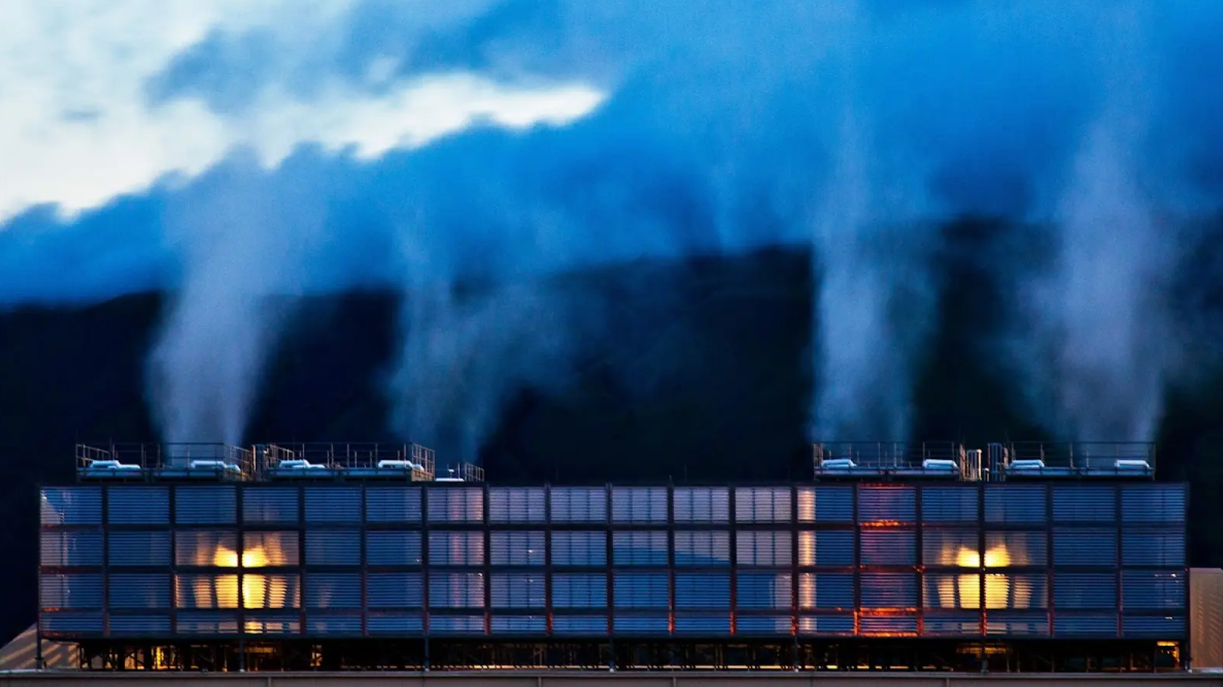
We may know it as “the cloud,” but it does, in fact, have to exist somewhere on land. Data centers are facilities that house the physical infrastructure (data storage, networks, servers) needed for the cloud, the internet, and AI. They can vary widely in size and energy requirements. AI-focused data centers are usually hyperscale data centers, which require much more power than previous types of data centers. Typical hyperscale data centers are estimated to consume as much power as 100,000 households. However, newer ones can consume 20 times that much.
Data centers are not new. The first were built in the 50s and 60s, but their development took off in the 90s, thanks to the internet. And now we see another boom in data center development driven by AI. With the demands of AI, more and more power is needed.
Credit: Grist
Tech companies and data center developers have set their sights on rural America as the prime location for large AI-focused data centers. There are several reasons why rural areas are attractive for developers. Rural areas have abundant, cheap land and lower electricity rates. They also tend to have looser zoning restrictions. Interestingly, some local governments are enticing developers to build in their communities by offering tax breaks and incentives. For these reasons, Virginia and Texas currently have the highest number of both existing and planned centers.
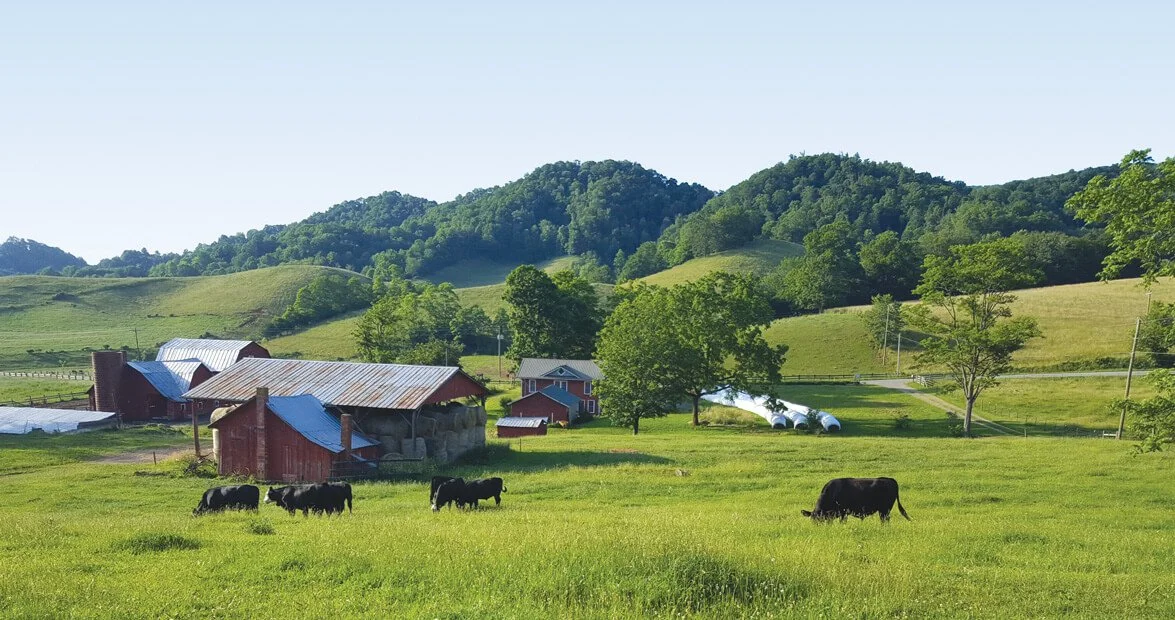
There’s quite a list of downsides to large, AI-focused data centers. The environmental effects range from water and air pollution to the destruction of ecosystems and farmland. It’s no wonder that rural communities are so concerned. Data centers are competing with farmers and the community for land, electricity, and natural resources. When farmland is developed for data centers, it rarely returns to agricultural production. Data centers have increased household utility bills in surrounding areas. There are also several health risks, from insomnia to asthma to cardiovascular disease. Contamination or reduced water supply is also a major threat to community health.
Credit: Our State
People have spoken out about the harms of data centers in several ways. “If it’s my way, I’ll stay out and hold and feed the nation. $26 million doesn’t mean anything.” Delsia Bare, a Mason County, Kentucky farmer, told Local 12 KWRC after turning down a $26 million offer to sell half her family farm to an anonymous AI company. The family stated that they were concerned about the impacts of the data center on food supply, water, and land.
On May 20th, U.S. Representative Alexandria Ocasio-Cortez addressed the Environmental Protection Agency with jars of dirty water from a rural Georgia community near a Meta data center. The murky, unsafe water has changed how these families access water for daily needs, often forcing them to ship in water instead.

Source: YouTube
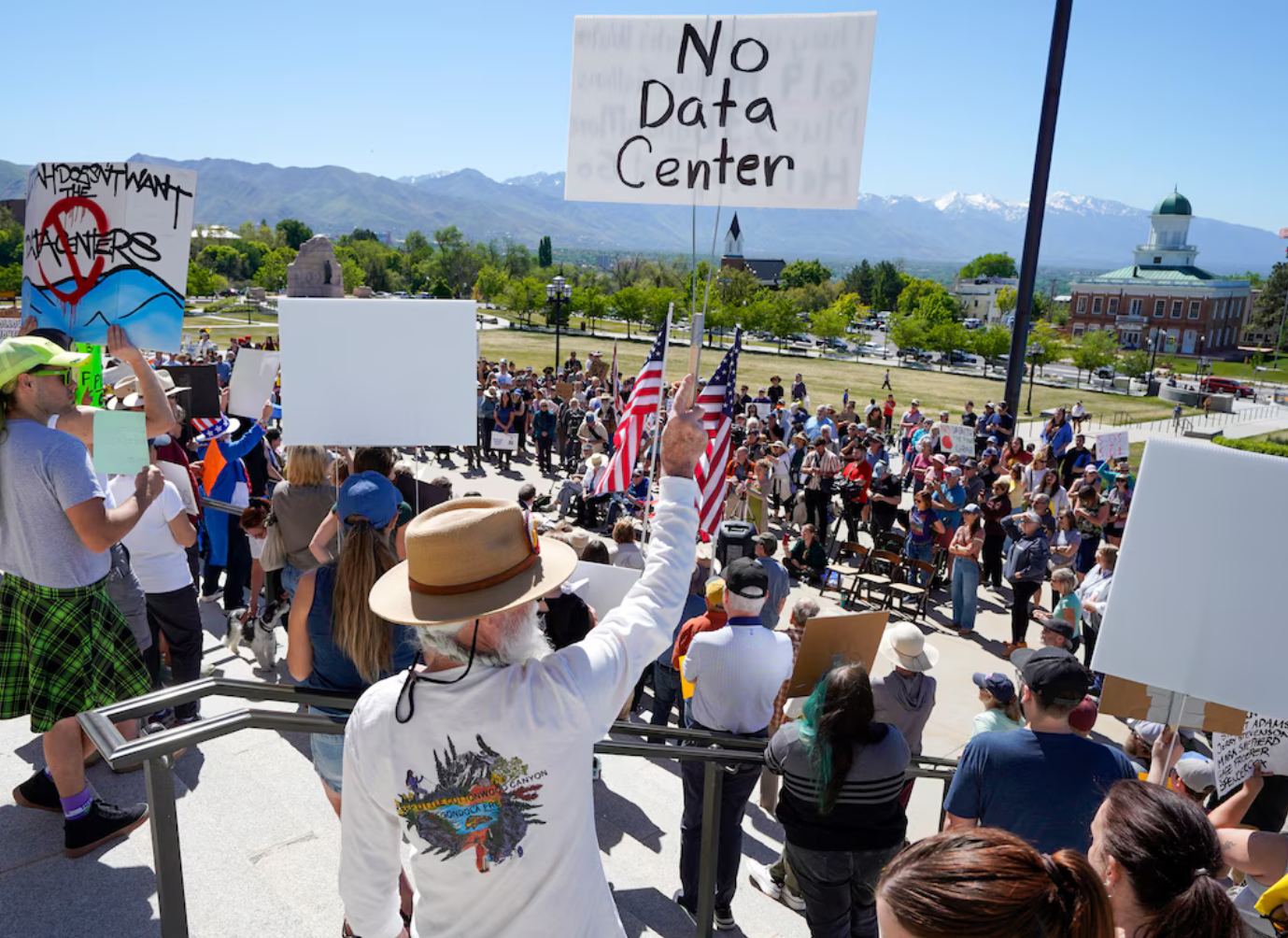
Physics professor Robert Davies warns that the massive data center approved in Box Elder, a rural Utah county, would severely alter the Utah landscape and ecosystems. The heat generated from the center could raise the temperature by 5 degrees Fahrenheit during the day and 28 degrees at night. It will impact the land, wildlife, and even lakes.
Credit: Salt Lake Tribune
The primary argument for data centers in rural areas is that they will jumpstart rural economic growth and ultimately revitalize communities. Some local officials see it as a benefit to rural economies and believe that the trade-offs are worth it for eventual economic prosperity. Data centers are often proposed as a source of revenue and jobs for the local community. However, there is limited research to support this.
Economist Michael Hicks conducted preliminary research on the topic in Texas. While it is true that there would be an influx of jobs in data center construction, those are only short-term. He found that there is no net job growth due to data centers. The only upside is the influx of funds to local governments, which could be applied to benefit the community.
What is seldom addressed is the domino effect data centers have on surrounding areas and communities. When water is extracted or contaminated, it impacts other areas, too, because as Julia Bolthouse, director of Piedmont Environmental Council, said, “Everyone is upstream from someone else.” Additionally, the impacts on the electric grid and utility bills are regional and not county-specific. So while one county could potentially benefit economically, others may simply lose their water supply or face hefty utility bills.
Rural Americans do not trust that the proposed benefits of data centers will materialize. Rural America has often been neglected. Most don’t see these data centers as the lifeblood for reviving rural communities, as some propose. Not when the downsides seem to harm the majority and benefit the few. As Santa Clara Planning Commission Chair Lance Saleme said in ‘& the West’ magazine, a data center “is unto itself, its own entity. There’s little it will add to the community…. It consumes, it grows, it uses resources. It doesn’t kill you, but it doesn’t make you healthy.”
I’ve lived in rural North Carolina for most of my life, and I can attest to the feeling that many rural Americans feel.
Rural America has been left behind.
You may have heard of a food desert, but what about a medical desert, a community without access to medical facilities? Many rural communities lack adequate grocery stores, healthcare facilities, and jobs, too. The only option then becomes to drive to other towns for basic necessities. What about those without transportation? They are at a great disadvantage. This is the reality for many. The need is great, but the funding is often scant.
Yet, efforts to build rural communities in meaningful ways are slow or nonexistent, while data centers are rapidly developed. What message does that send to these communities that incredibly expensive data centers are prioritized over grocery stores and hospitals? It sends the message that rural communities are only worth investing in as extraction sites, as places ripe for exploitation, rather than homes.
Sources:
https://www.digitalrealty.com/resources/blog/a-brief-history-of-data-centers
https://www.iea.org/reports/energy-and-ai/executive-summary
https://www.brookings.edu/articles/local-implications-data-centers-rural-communities-us/
https://southernagtoday.org/2026/04/03/data-centers-and-their-implications-for-rural-communities/
https://www.sltrib.com/news/environment/2026/05/07/utahs-data-center-could-create/
https://www.datacenterbans.com
https://www.theverge.com/ai-artificial-intelligence/928963/data-center-rural-america-jobs-jay-maine
https://michaeljhicks.substack.com/p/data-centers-and-local-job-creation
https://www.latitudemedia.com/news/in-indiana-an-anatomy-of-data-center-opposition/
https://www.environmentalhealthproject.org/post/the-dangers-of-data-centers