She's a Popstar, Not Your Mother
By Catherine Murphy
Pintrest
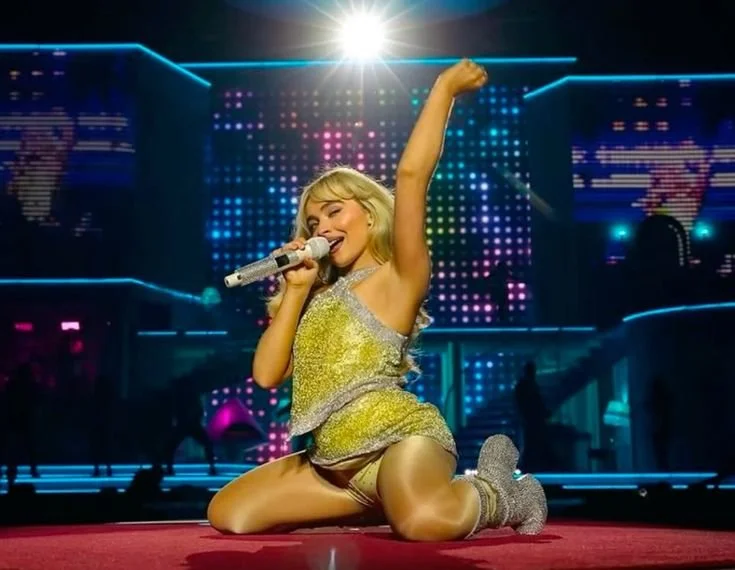
While Sabrina Carpenter was never an unknown artist, having gotten her start on Disney Channel, her music career didn’t hit the mainstream until she released her single "Espresso" in 2024. When she released the full album Short n’ Sweet later that year in August, she continued to skyrocket to fame. But for people who hadn’t followed her trajectory since she left Girl Meets World, her humorous and often sexual lyrics came as a surprise. Several songs on the album are filled with innocuous and suggestive lines such as “Taste”. Other tracks like “Bed Chem” were even more explicit, with lyrics like “How you pick me up, pull 'em down, turn me 'round, oh, it just makes sense / How you talk so sweet when you're doin' bad things / That's bed chem.”
Considering much of her fame was derived from her songs’ success on TikTok, it's unsurprising many of her fans are younger, but when parents accompanied these younger fans to the concert, they were shocked by how provocative it was. Before Carpenter sings “Juno”, she chooses someone from the audience to “arrest” with fuzzy pink handcuffs. Victims have ranged from lucky fans to celebrities like Djo and Anne Hathaway. Later in the song's performance, after asking “Have you ever tried this one?”, she made a tradition of displaying different positions, some sexual, some humorous. Nothing she does is any more surprising than what you'd expect after listening to the album, but still people complained online that the show was too inappropriate for her audience.
Sure, a large portion of her fan base is younger girls, but why should Carpenter, who’s twenty-seven and not intentionally catering to them, be forced to change her image to be suitable for children?
Pintrest
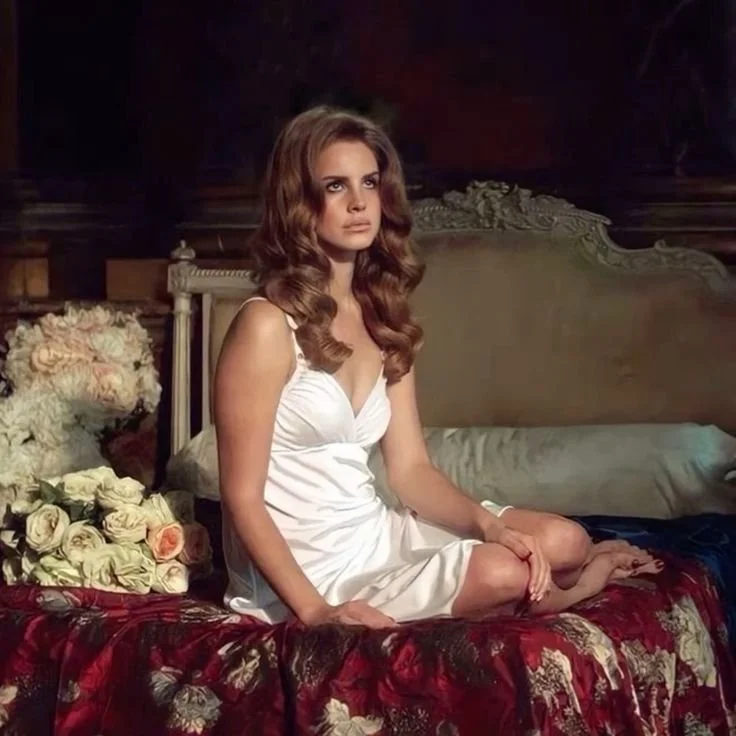
Lana Del Rey has received similar complaints about her discography. While her lyrics aren’t necessarily as sexual as Carpenter’s, several songs reference relationships with older men and Vladimir Nabokov's Lolita. The book is about a child predator who abuses a young girl, Dolores, or as he calls her, Lolita. Amongst victims of child sexual abuse, the book remains highly controversial, but regardless of how you feel about his portrayal of such a serious subject, most people can agree that Lolita is at its worst when people attempt to romanticize it. Something Lana Del Rey is frequently accused of, and unsurprisingly.
Early in her career, her first album makes several mentions of the novel. In “Lolita,” she sings “Hey, Lolita, hey / Hey, Lolita, hey / I know what the boys want, I'm not gonna play.” Her track “Off to the Race” also makes explicit references, quoting directly from the book, singing, “Light of my light, fire of my loins / Gimme them gold coins, gimme them gold coins.” In Nabokov’s work, the main character Humbert Humbert gives Dolores gold coins as a way of controlling her and buying her silence. Throughout the book, Dolores makes several attempts to escape Humbert's grasp and eventually finds freedom. In the song, Lana Del Rey presents a more loving image. While she says her “old man is a bad man”, she sees him as her “one true love.” Similar to Carpenter, Lana Del Rey has her fair share of younger fans, and at the height of her fame, many took to Tumblr to fantasize about the very type of age gap relationships many of her songs suggested, leading some to wonder if the singer is responsible for the image she’s presenting. There can certainly be a debate about the ethics of taking such a serious issue and seemingly glamorizing it, but if Lana Del Rey makes music for adults, how can we fault her for what children might take away from her work?
This moral panic about pop stars and musicians corrupting the youth is nothing new. Older generations have always been afraid of what comes after them, of the next new thing. Perhaps most famously, as the satanic panic ramped up in the 80s, the Parent Music Resource Center took their concerns all the way to Congress with the “filthy fifteen.” The list contains songs the PMRC deemed, well, filthy, often for their sexual content, like Prince’s “Darling Nikki” or “She Bop” by Cyndi Lauper.
Back in the days of the filthy fifteen, however, parents were concerned because they had no idea what the lyrics of the songs that their children were listening to. Now the problem is the exact opposite. There's so much music that although parents can learn the lyrics, they can never attempt to learn everything their child might have access to. And while this is a valid concern, the pressure should not be placed on artists, nor could we ever expect it to be. Now, parents and teens alike still find themselves concerned with the sexual content in music and what it means to younger audiences who listen.
Pintrest
We are unfairly asking female artists to serve a maternal role in our children's lives.
Understandably, parents wanna make sure their children are consuming age-appropriate media, but that's not the job of artists who themselves are not targeting children's audiences.
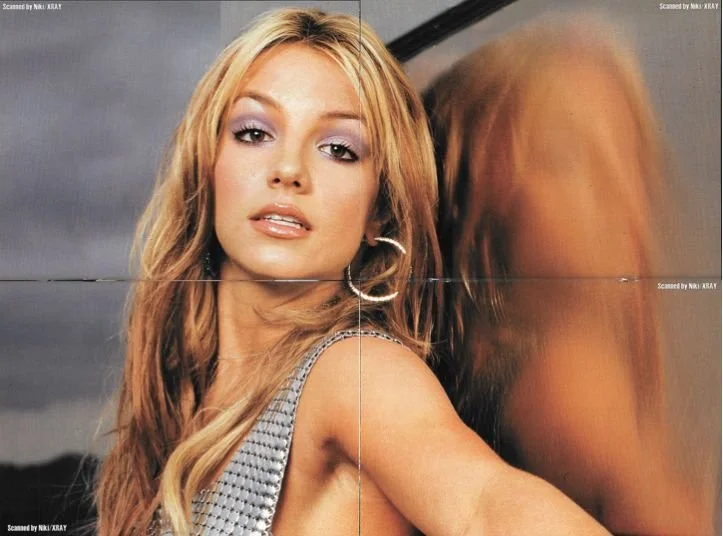
It was the same back in the days when former child stars would revolt when old enough to gain their freedom. We told actresses turned pop stars like Miley Cyrus and Britney Spears to make themselves more palatable because our children were looking up to them, but why should these people (who have barely passed childhood themselves) be forced to be role models for strangers? Even if, in their case, their original audience may have been younger, their music should be allowed to grow with them Meanwhile, we accept male artists who are known abusers as talented despite their flaws. This is not to say that men are not admonished for their behavior or criticized for promiscuous lyrics; it’s just to say that they are not held to these standards as harshly. While we may admit that songs like “Blurred Lines” by Robin Thicke feel oddly sexual, his song about dubious consent gains the same outrage as a female artist’s reclamation of their sexuality.