You Don’t Have to Know Everything, but You Should Know Where It Came From
By Katherine Mulinga
There is nothing wrong with having a favorite artist, a favorite era, or a taste in music that differs completely from everyone around you. Music is personal. But every once in a while, a conversation about what is “good” reveals something deeper: how easily we can become detached from the history that made the music we love possible.
In 2017, Lonzo Ball sparked a hip-hop debate when he declared that “nobody listens to Nas anymore” and argued that Future was better. During an interview with Big Boy, Ball doubled down, questioning how many classic projects Nas actually had. When Big Boy immediately named Illmatic, Ball conceded, “That’s one. That’s it.” He went on to praise Future’s catalog, specifically DS2, 56 Nights, and Monster. And when asked whether he still believed Future was better than Nas, Ball said yes, while admitting he had not actually given Nas’ catalog a fair listen.
That admission is the most interesting part of the conversation.
The truth is you can prefer Future, or you can prefer Nas. You can think Nas isn't the first artist you want to hear at a party, and you can even believe an artist widely regarded as a legend is overrated. None of that makes your opinion invalid! But there is a difference between deciding an artist isn't for you and dismissing their place in music history without taking the time to understand their work. How can we have a meaningful conversation about what makes music great if we aren't willing to understand what came before it?
And this isn't just a hip-hop conversation, as it happens across genres, generations, and every corner of popular culture.

Tate McRae’s “It's ok I'm ok.” Music Video.
Take Tate McRae's 2024 music video for “It's ok I'm ok.” Her choreographer, Sean Bankhead, reportedly showed her Beyoncé's “Crazy in Love” video as inspiration. The interesting part isn't that McRae hadn't seen it, as no artist is obligated to know every iconic music video ever made. What's worth examining, however, is the fact that a defining piece of pop culture had to be introduced to someone working within a visual tradition it helped shape. The connection raises a larger question about how influence travels, how artistic references get passed down, and what happens when the history behind a familiar visual language becomes less familiar to the people using it.
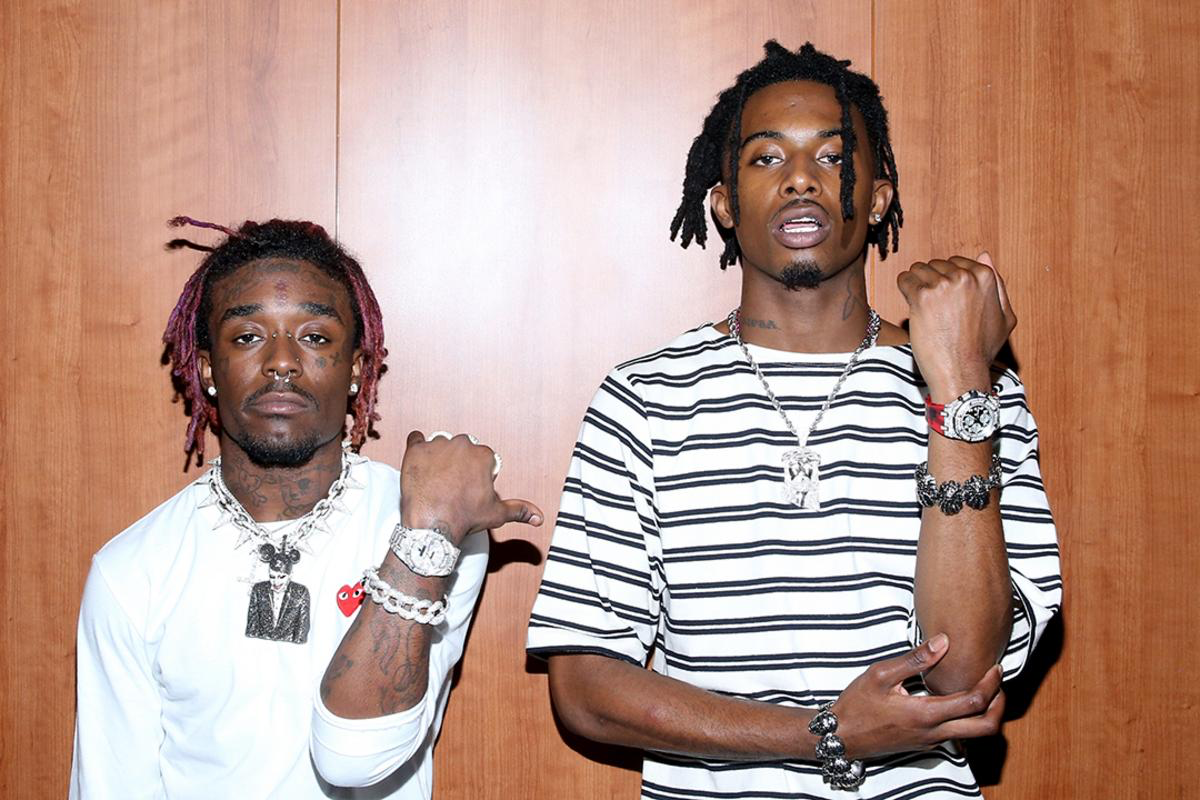
Hip-hop offers another lens through which to consider this relationship between innovation and influence, particularly when looking at Young Thug, Lil Uzi Vert, and Playboi Carti.
Courtesy of Billboard.
When Carti and Uzi released “wokeuplikethis*” in 2017, SoundCloud rap was becoming impossible to ignore. Its appeal extended beyond the music itself: warped production, eccentric vocal deliveries, genre-blurring experimentation, and an emphasis on aesthetic that challenged traditional ideas about lyricism and what a rap star could look and sound like. For a generation of listeners, it felt entirely new. But something feeling new doesn't mean it emerged from nowhere.
Young Thug, one of the defining voices of his generation and a major force in contemporary rap, has spoken openly about Lil Wayne's influence on him, describing Wayne as an idol whose music he followed closely. The parallels between Wayne's unconventional vocal delivery and aspects of Thug's early work have also been widely discussed by critics.
Recognizing that lineage doesn't diminish Thug's originality. If anything, it helps explain it. Influence is not the opposite of originality; it is often one of the ways originality develops. Artists absorb what moves them, experiment with it, push it somewhere unexpected, and transform those influences into something their own generation can recognize as its own. The result can sound radically different from what came before while still carrying traces of its DNA.
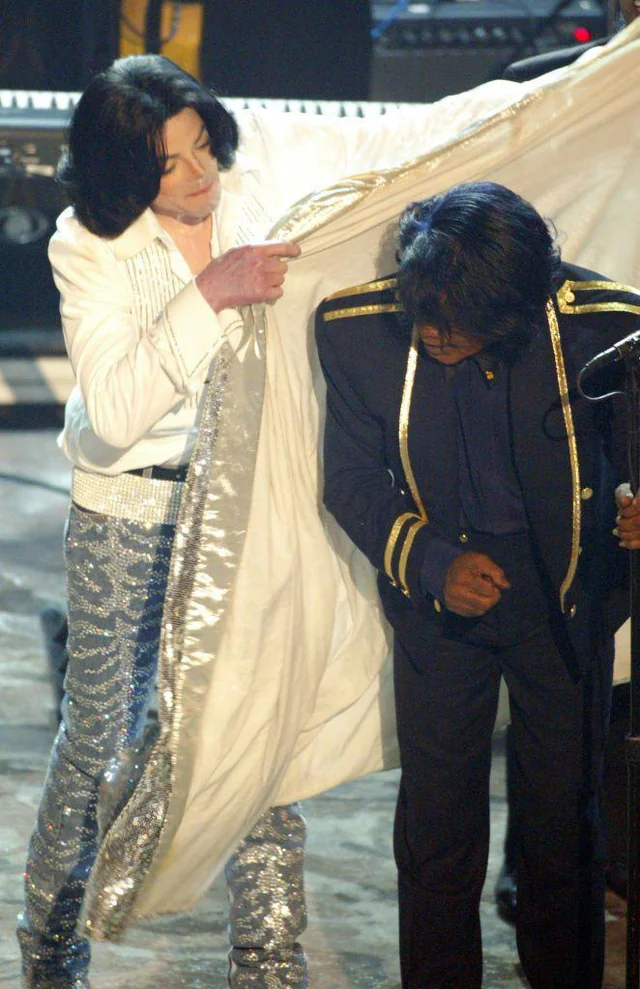
The same conversation applies to Michael Jackson and the moonwalk.
Sourced through Pinterest.
Jackson made the move one of the most recognizable dance steps in popular culture after performing it during Motown 25: Yesterday, Today, Forever in 1983. But he did not invent the movement. The backslide had already existed within Black dance culture, with performers such as Jeffrey Daniel, along with earlier street-dance traditions and the dancers who helped shape the culture around Soul Train, forming part of its history.
Jackson's contribution was not that he created the move from nothing. It was that he performed it with extraordinary precision and showmanship, bringing it to a massive global audience and forever associating it with his own image. His achievement and the movement's history can both be true. One does not cancel out the other.
The part of music and pop culture history we too often overlook is the distinction between making something famous and being the first person to do it.
Culture is rarely created in a vacuum. The artist you call a visionary may have been inspired by someone whose name you barely know. The sound you consider revolutionary may have roots in music released decades earlier. The dance trend filling your TikTok feed may have originated with a creator who never received anything close to the recognition of the celebrities who popularized it. Jalaiah Harmon, for instance, created the Renegade dance before Charli D'Amelio became widely associated with it, illustrating how easily the person who amplifies a cultural moment can become more recognizable than the person who started it.
There is also a difference between being unfamiliar with an influence and refusing to acknowledge it once you learn about it. Nobody can know everything. Musical discovery is an ongoing process, and every generation encounters something for the first time. The problem isn't that younger listeners discover music through its newest interpreters rather than its original innovators. It's when the conversation stops at the newest version, as though the story began there.
You don't have to like an artist because another artist influenced them. You don't have to listen to every classic album, agree with every critical consensus, or treat the past as untouchable. But learning where your favorite artists found their inspiration can make the music you already love even more interesting, and it can reveal the choices they made, the traditions they challenged, and the ways they transformed something familiar into something that felt entirely their own.
You don't have to worship the past, but you should be familiar with it. Because the more we understand where culture comes from, the better equipped we are to recognize what makes it move forward.