Step Into the Bedroom of Brown Sugar with Kennedy Niyah Hill’s 'Brown Sugar Dreams'
By Arya Desai
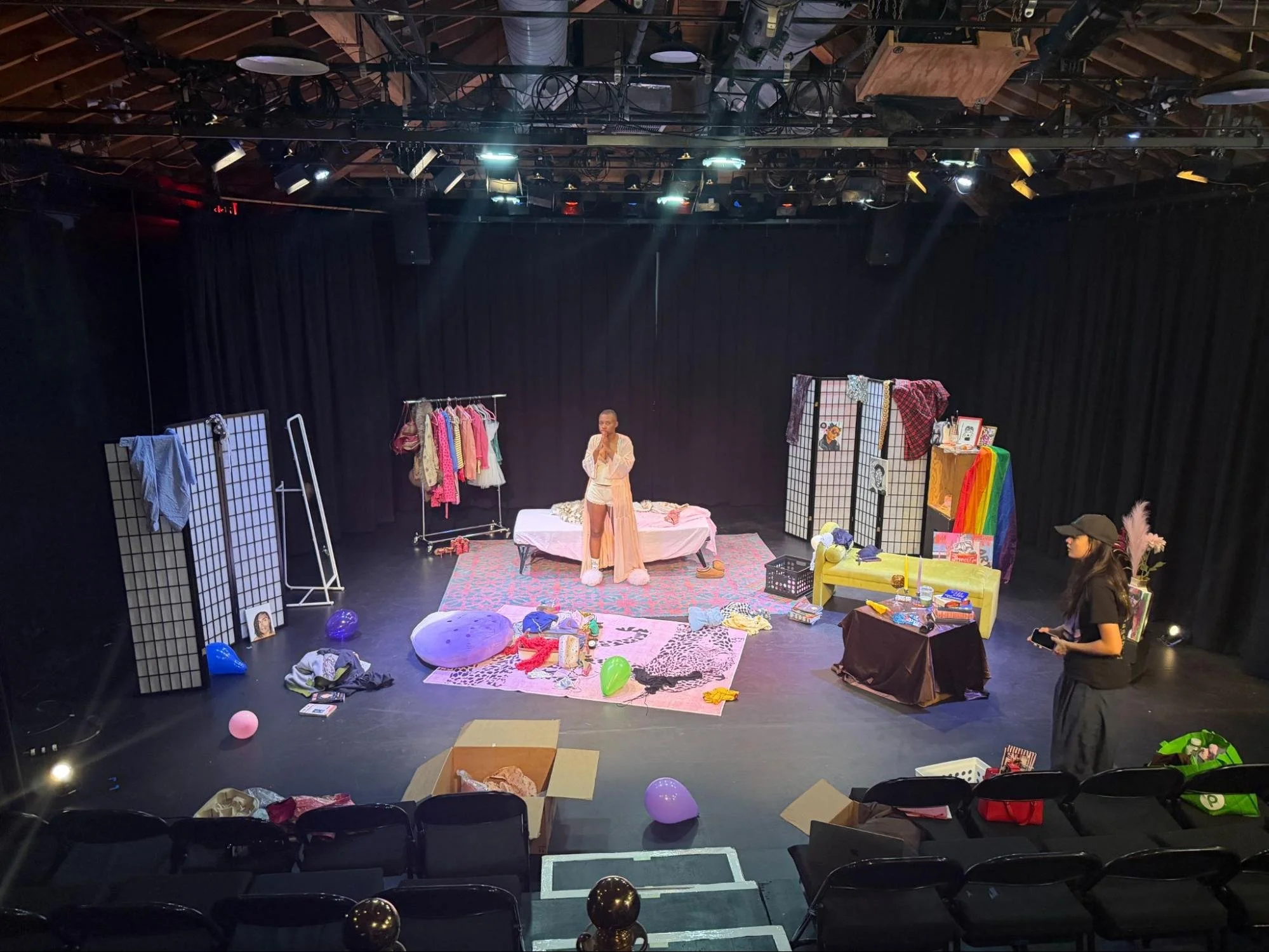
Kennedy Niyah Hill as Brown Sugar in Brown Sugar Dreams
Birthdays: that sticky, sensitive, overly sentimental day that comes around once a year. Whether you choose to celebrate with a large party, intimate dinner, or ignore the whole affair altogether, a birthday will inevitably loom over you like an annual employee review: how do you feel now that you’re x?
This is something that “Brown Sugar,” the titular character in playwright Kennedy Niyah Hill’s Brown Sugar Dreams, is forced to confront. We see her wrestle for 24 hours as she navigates her 25th birthday: revisiting ex-lovers, friends, and complex family relations.
Last month, Brown Sugar Dreams debuted at the Electric Lodge Theater in Santa Monica to a packed audience. Between audible gasps, muffled laughs, and a few sniffles, it's safe to say the audience was invested in the highs and lows of Brown Sugar’s big day.
“I felt like I was experiencing every moment with the guests for the first time,” Hill says, “which is what theatre is meant to feel like. The audience [is] the final character in this play. They are an integral part of the experience itself.”
Setting the Scene: Paper Crowns & Messy Bedrooms
From the moment guests entered, they were greeted with a paper crown on their seat, a small touch that Hill included purposely: “I started making felt crowns for my friends and I's birthdays. I wanted everyone to see themselves as the main character. Maybe they too have been Brown Sugar once upon a time in their life.”
Indeed, it was hard not to be sucked into the chaotic world of Brown Sugar, complete onstage with a colorful array of clothes strewn about the floor, an unkempt bed, random knick-knacks, and handmade artwork.
“Most of all my creative work has taken place in a bedroom,” Hill explains, adding, “bedrooms are one of the most intimate places that reveal so much about a person.”
From Script to Stage
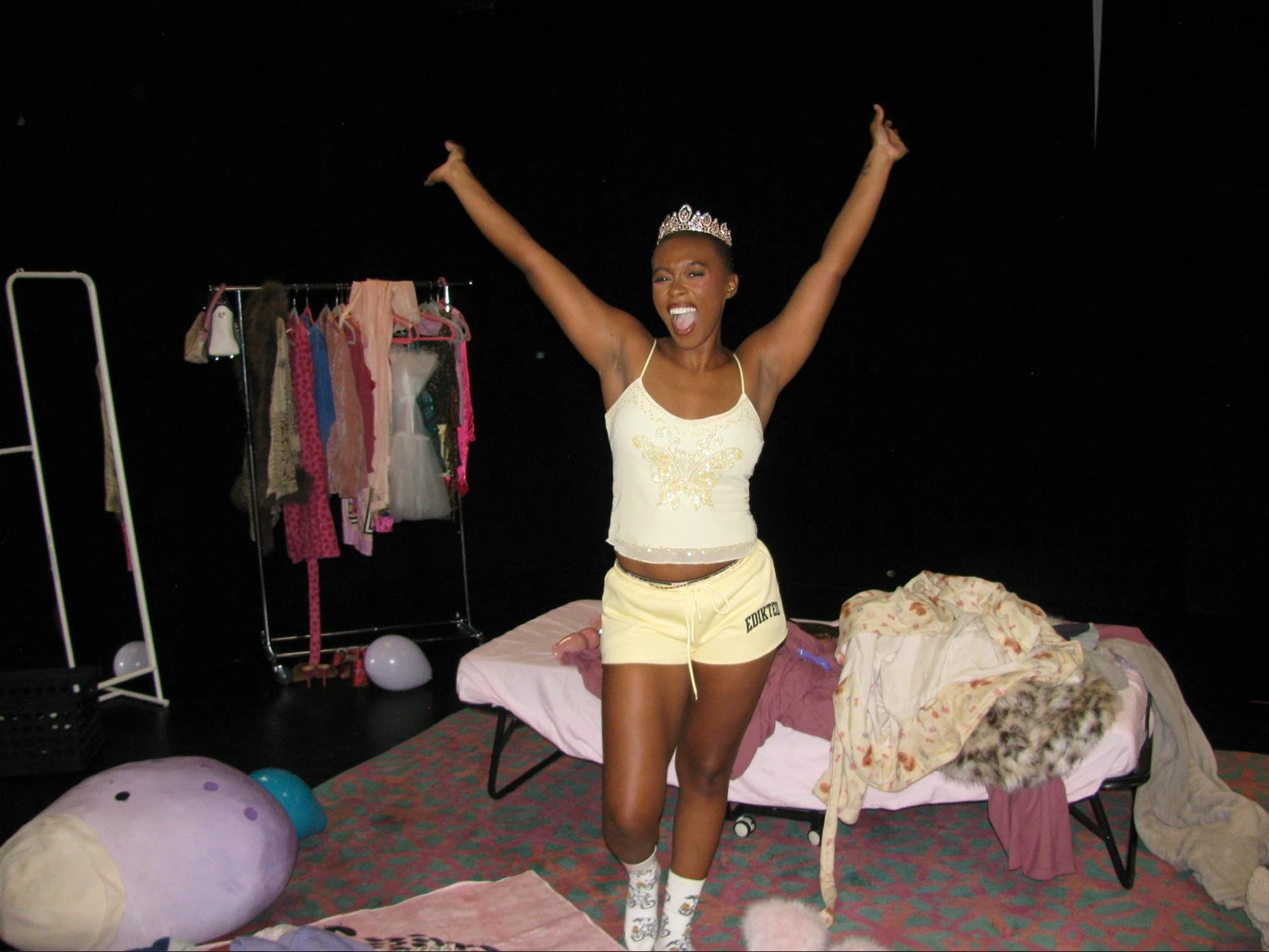
Kennedy Niyah Hill
It was in her own bedroom four years ago that Hill first got the idea for what would become Brown Sugar Dreams. It slapped me in the face back in 2022 while I was procrastinating on my writing assignment due at 11:59 pm… I typed up some bullsh*t that ended up making me feel like I was onto something. Flash forward to 2026 and I still cannot get this character out of my head…all I knew was that I needed to get an audience’s ears on this.”
From that point on, Hill continued to workshop her solo show postgrad, and eventually submitted a draft of the piece to Daredevil Arts in 2025. At that point, it was just a loose script consisting of 10 pages. However, a few weeks later, Hill heard that the team had been selected for the festival.
For Hill, this was a pleasant surprise: “Genuinely, I didn't think I'd be selected…the process lit a fire under my ass to write this show and follow through with my creative vision… it took me three weeks to finish the script and around two and a half weeks of rehearsal to prepare.”
For extra support, Hill reached out to LA-based director/ actor, Artrece Johnson, who ended up officially directing Brown Sugar Dreams.
“We met through the small network of Black film and theatre folks in LA. I just straight up asked her if she was willing to work through this process with me. I was so excited that she was down to help me.”
Looking beyond, Hill hopes to continue development. “This performance was kind of like my trial period to see how people would be affected…the encouragement and words of wisdom I received after the show truly has pushed me to think bigger than I had ever imagined…”.
Finding the Messy Truth
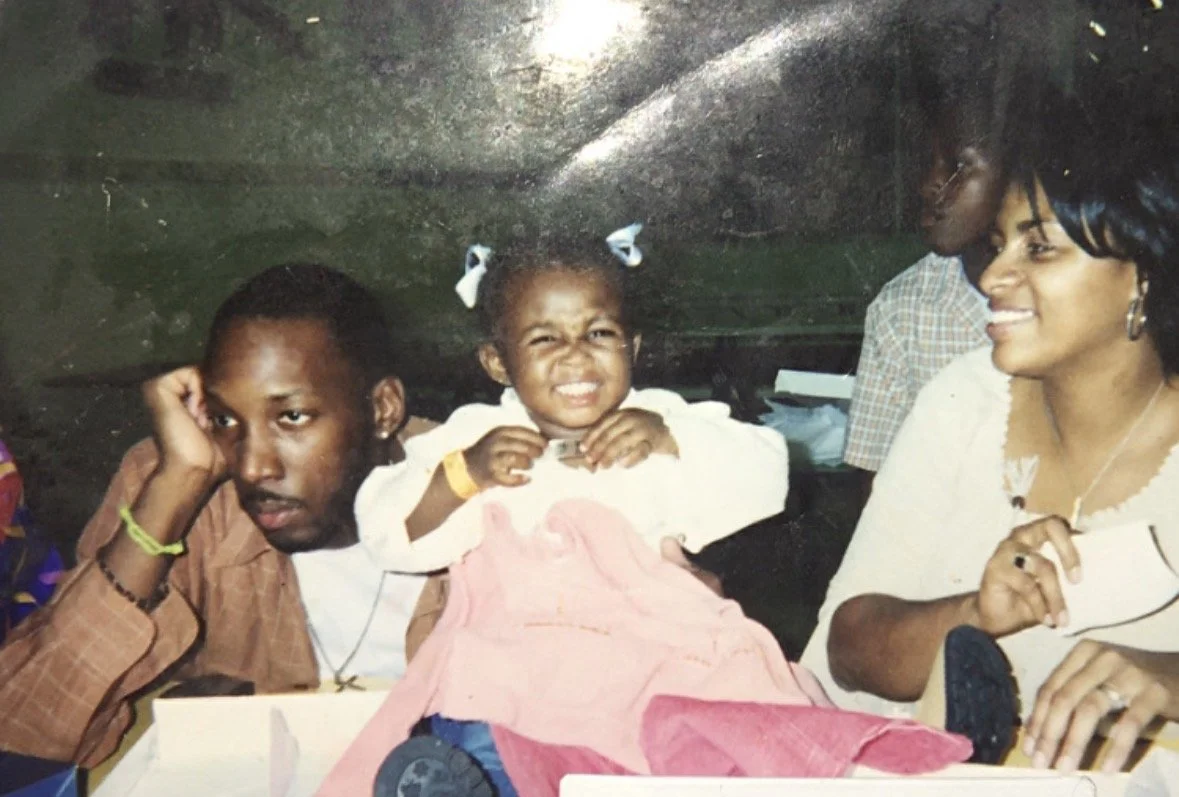
Kennedy Niyah Hill as a child with her family.
The setting of Brown Sugar Dreams isn’t the only intimate aspect of the show: the circumstances are as well. To create the character of “Brown Sugar,” Hill based much of the heroine on her own experiences.
“The most challenging part of this show was probably writing it,” Hill admits. “I had to pick at some pretty tender wounds that are still not fully healed, and balance the act of being truthful with writing things in a theatrical way: how could I stretch out moments and exaggerate them in a way that would lend itself to the purpose of the story and what I was trying to get across?”
Aside from the eccentric nature of her bedroom (and a few amusing calls with a delivery service man), Brown Sugar’s world feels relatively heavy…at least on this specific occasion.
What is genius about Hill’s writing is that she isn’t afraid to be unfiltered, raw, and at times, vulgar: “I wanted Black women to see themselves on stage, raw and unfiltered - unapologetic!”
In one vignette, Brown Sugar explains that a traumatizing moment from childhood affects her ability to genuinely enjoy moments of physical and sexual intimacy. In another, she breaks down how spending time with her surface-level hookup is merely an attempt not to be alone on her birthday. Even an attempt to reconcile with a longtime platonic friendship goes awfully awry.
But her misfortunes are far from random. Hill clearly connects her relationship issues to Brown Sugar’s absent father. She repeatedly wrestles with the thought that her father’s flawed nature has been passed down to her: “Brown Sugar is on a journey for the will to change. How can Brown Sugar end the cycle?”
Through it all, Hill manages to give Brown Sugar a healthy sense of humor towards her circumstances. By doing so, the show’s 90-minute-run doesn’t feel overly dismal, but, rather, humanely complex.
A Happy Birthday Song
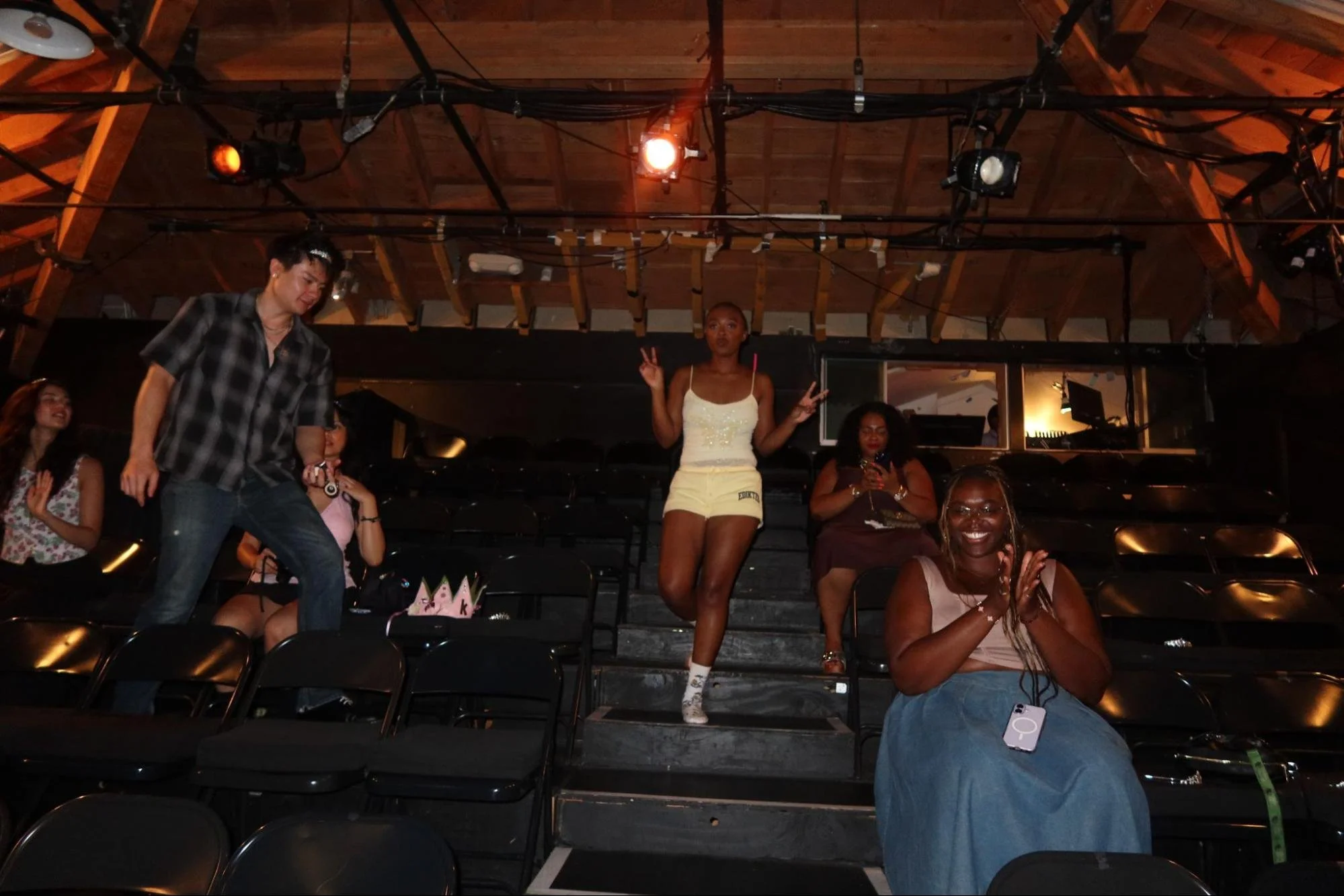
Kennedy Niyah Hill
Without a doubt, the emotional heart of the show lies in Brown Sugar’s strained relationship with her father. By the end of her 24 hours, she decides to finally unblock him after months of no contact.
As an audience, we are set up to expect he has sent a slew of texts and calls to contact the birthday girl… instead, there is silence when Brown Sugar finally musters up the courage to pick up the phone. In the end, we are left with little to no resolution.
“Personally, it reflects my own journey with my father,” Hill explains. “I didn't want Brown Sugar to get her perfect ending, because that's not realistic. I wanted her to have to sit with her pain, and finally feel it.”
And feel it she does. The show bookends beautifully with a monologue addressed to her father expressing her heartbreak over their strained connection, his emotionally manipulative tendencies, and her frustration at still caring for him despite.
“There is no resolve, and maybe there will never be closure. However, just as I must continue living my life, Brown Sugar must continue hers, and she deserves to sing ‘Happy Birthday’ and move forward!”
The curtains close as Brown Sugar sings Happy Birthday alone onstage, blowing out the candles on another year gone by with the hope that healing awaits ahead.
“Brown Sugar is on a journey to not be selfish. As she says, ‘I deserve to start the second quarter of my life on a clean slate.’”