The Luxury of Doing Nothing: Why Free Time Became the New Status Symbol
By Sadie Jane Mayhew
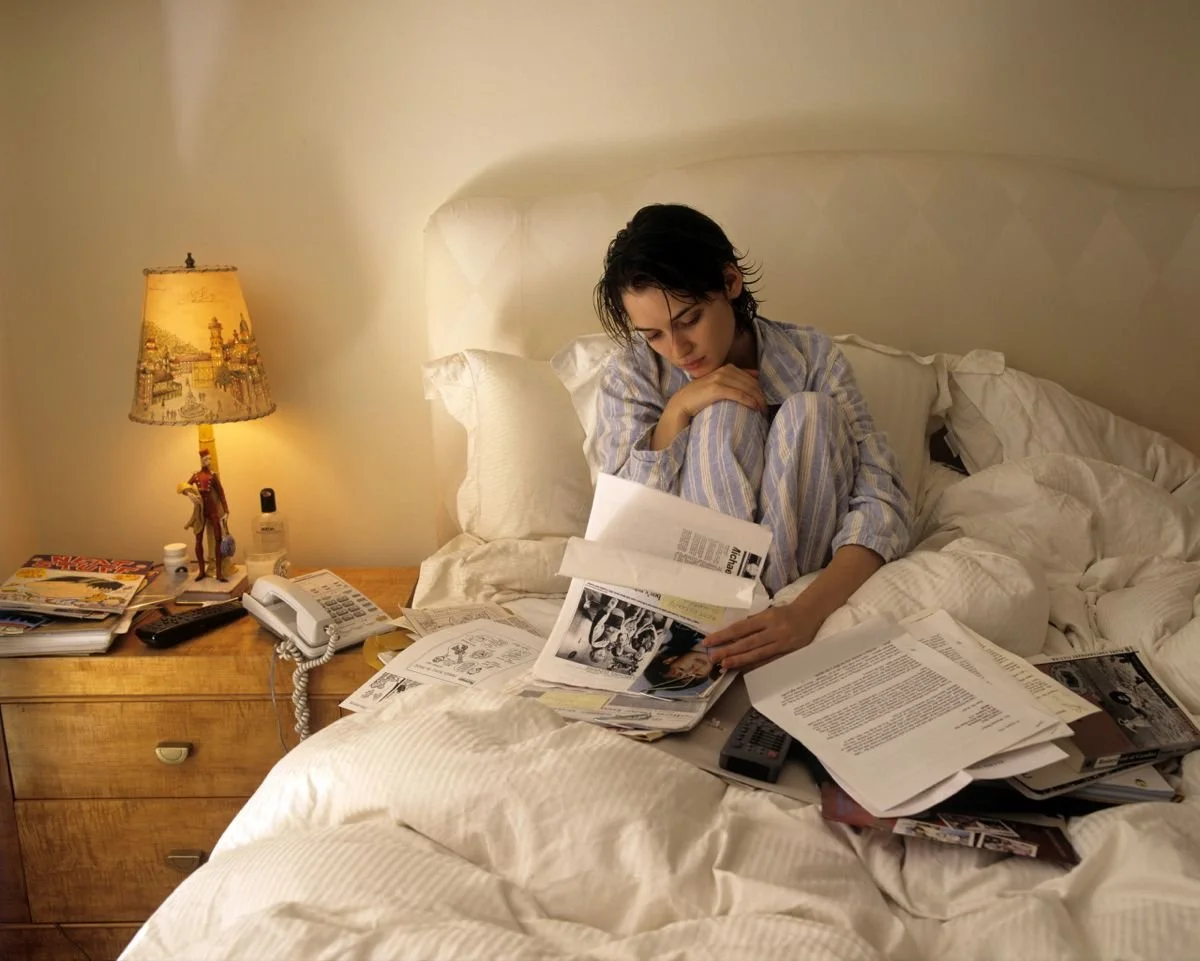
Sourced through Pinterest
For decades, success was synonymous with hustle. The “Girl Boss" era sharpened it into an aesthetic: 5 a.m. alarms, color-coded calendars, inbox zero, side hustles stacked neatly beside green juice and Pilates. Working from home meant working all the time. Productivity became personality. If you were exhausted to the point of delirium, you were on your way to success!
Scrolling through your feed now, the picture looks kind of different. The morning vlog lingers over coffee foam and sunlight on the wall. A “day in my life” revolves around errands, tidying a bookshelf, cooking for friends. The tone is softer, slower. Influencers who once monetized burnout now package calm. The pendulum has swung yet again, and leisure is the new aspiration for the so-called dream life.
A recent survey found that 72% of Americans define success through happiness and well-being rather than wealth or status, and more than half see hustle culture as a path to burnout, not accomplishment. A Wall Street Journal report on younger Americans noted that many now equate success with stability and balance instead of relentless advancement. Ernst & Young’s 2025 Global Generation Report similarly found Gen-Z prioritizes mental health and flexibility over traditional career milestones. Empower’s “Secret to Success” research further backed the theme that financial security matters the most, but time and peace matter more. Hence, having the free time for peace, boredom, and creativity is only achievable through a certain financial security– something so many of us don’t have.
This recalibration has a name online. The “soft life,” popularized by secretly wealthy creators, has gathered billions of views. It centers ease, intention, and pleasure without apology. On TikTok, that translates into familiar imagery: getting ready without rushing, trying out new hobbies or skills for fun, or having a wide-open schedule and figuring out how to occupy your day.The performance of busyness has been replaced by the performance of calm and utter peace in having no plans, no strict agenda.
Still, this goes back to the age-old question. Is it performative? For most… probably! Because unstructured time has always been a privilege. Not everyone can afford long afternoons wandering through a park or lingering over homemade pasta. Even though Americans technically have more leisure time than in the 1960s, economists note that it is unevenly distributed. Time off lands differently depending on income, caregiving responsibilities, and job security.
That tension explains why slow living content can feel both comforting and quite alienating for some. It offers a vision of life untethered from constant urgency, yet it often floats above material realities. High living costs, inflation, and student debt have reshaped how younger generations socialize. Another recent survey shows that 44 percent of young adults skip social events because of cost. Nights out at bars and clubs have given way to pasta night potlucks, craft nights, and hanging out on the living room floor, simply chatting about life. What looks like a lifestyle choice is sometimes an economic necessity reframed as intention.
Hustle culture was more than a work ethic; it was also an ideology. It suggested that worth rises with output, that exhaustion signals importance. Its logic mirrored a patriarchal model of value built on accumulation and dominance. Rest carried guilt. Idleness required justification.
The current swing toward softness carries its own ideology. It elevates presence over performance and connection over competition. “JOMO,” (‘joy of missing out’) has entered the lexicon as a quiet refusal of constant participation, the counter to FOMO. Instead of trying to do it all every weekend, many are content to protect it at their own pace, on their own time, and often alone.
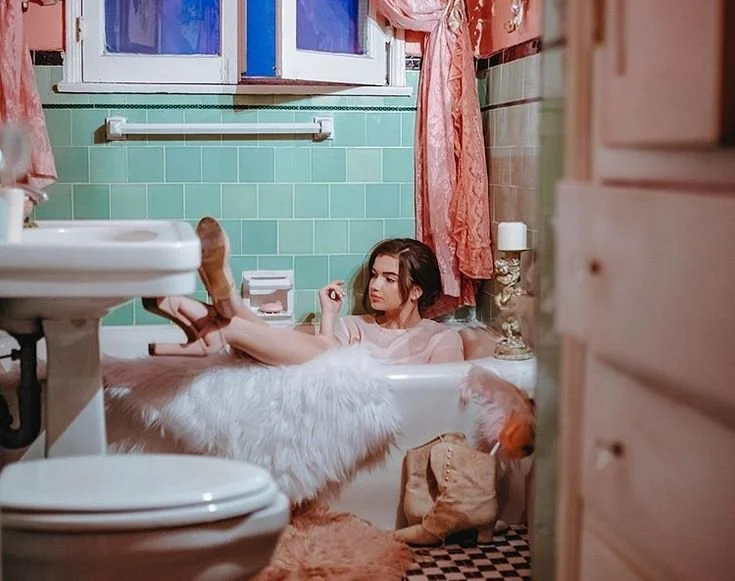
Sourced through Pinterest
There is also a gendered undercurrent. For years now, women have been told to lean in harder, optimize further, and monetize their hobbies (if they have time for some). The “Girlboss” lifestyle was deeply rooted in patriarchy, but that’s a discussion for a separate article to come soon. Now people are waking up to the visible pleasure in creating for themselves, and their own joy, without turning it into a brand or monetizing it. Baking without launching a baking line. Painting without opening an Etsy shop. Gathering friends without documenting proof of fun. Ambition has not totally disappeared, but it no longer needs to devour everything else.
None of this erases economic strain or guarantees access to leisure. Free time remains unevenly distributed, and for many, it is scarce. Yet culturally, the aspiration has ultimately shifted as of now. Busyness is no longer the cleanest marker of importance. A quiet evening at home, a long conversation on the floor, and an afternoon with no agenda have taken on new weight.
But there is one thing I stand by. Leisure is not laziness! If it weren’t necessary, it wouldn’t be so natural and beneficial to our well-being as humans. Our western society wouldn't make it hard to reach and make us work away to pay the unimaginable prices for everyday necessities otherwise.
Maybe we as a society need a reset in general. We found that maximizing our schedules, studying hard, working hard, and playing the rat race game was leaving us burnt out and not gratified. So when relaxation becomes more enjoyable on our bodies, minds, and souls, that’s the new popular lifestyle to secure.
The past decade was defined by acceleration, which quickly turned to uncertainty and noise. The real status symbol proving to be prominent in the late 2020s may not be the status of the job or high-maintenance regime, but the ability to log off, take a nap in a field, and let the hours stretch without needing to justify them.