The New Height of Luxury
By CG Morand
In the 2010s, the world woke up to a new curiosity about what it means to be healthy. With the help of technology, which was faster and more widespread than ever before, health care research and advice were at our fingertips. Everybody became acutely aware of questions concerning how many hours of sleep we should be getting to how meat-eating contributes to global warming.
Alongside this awareness grew an entire ecosystem of products and lifestyles built around the pursuit of wellness. The rise of athleisure, plant-based diets, supplements, and standing desks all became a marker of investing in one’s own health. Each offering a convenience for the everyday person on the go, while simultaneously promising self-improvement. It all started as practical rituals to make one’s life easier and more comfortable… until it became an obsession.
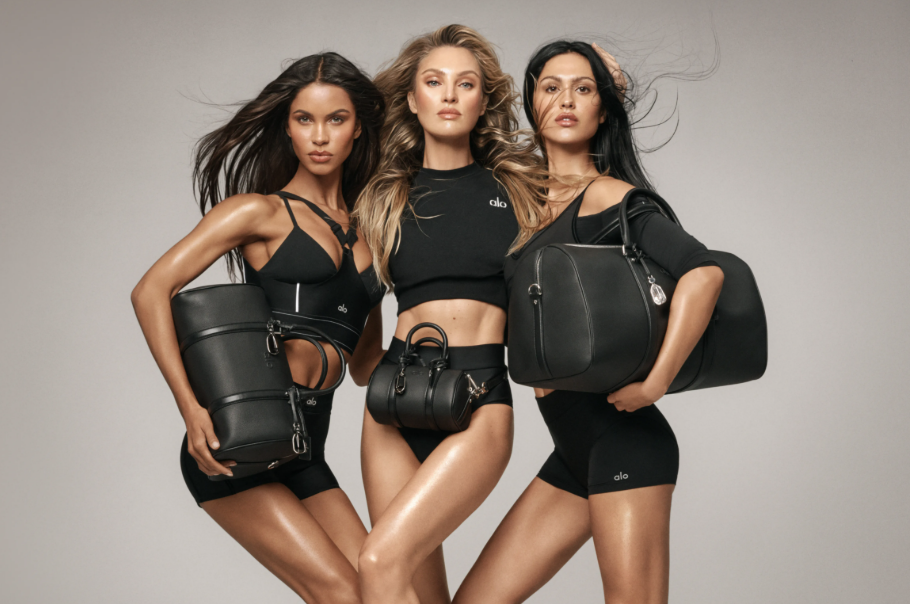
Image Credit: Alo
Companies such as Goop, founded in 2012 by Hollywood darling Gwyneth Paltrow, perfectly exemplify the shift in tone when it comes to talking about wellness. The once-small weekly newsletter evolved into a lifestyle and wellness brand with its own products, clothing, retreats, and recipes, all aimed at promoting a healthy lifestyle. Goop has dominated the health and wellness landscape ever since, becoming something of a cultural powerhouse and a punchline.
Progressing into the 2020s, health and wellness have become something of a gimmick. People “protecting their peace” to the point of journaling at a frat party, or using the term “mindful” as a catch-all phrase, relating it to anything from eating habits to sex. While these practices can be valuable, the wellness industry shifted from practices that focus on one’s well-being to a marketplace of aesthetics and aspiration.
The internet, in its typical fashion, amplified this shift to the Nth degree. People on social media began taking Gwyneth Paltrow’s, among many other celebrity habits, such as juice cleanses, dry brushing, and detoxing, and gave them a main stage, drawing attention for not always the right reasons.
Now, the yoga brand Alo wants in on all the excitement.
In September, the brand announced its latest collection titled The Bag Collection— a luxury tote drop where bags are priced from $1,200 to $3,600. Each bag also comes with its own “energizing crystal”, which “carries the resonance of your intentions throughout your day,” according to the Alo website.
Alo enlisted the help of fashion royalty to execute the campaign; Famed French stylist Carlyne Cerf de Dudzeele styled the shoot, with Steven Meisel photographing supermodels Candice Swanepoel and Amelia Gray. Pat McGrath did makeup, and Guido Palau worked his hairstyling magic. Vogue called this lineup “legendary”, and it would be hard to disagree.
The campaign is littered with buzzwords such as mindful, energizing, balanced, with “tranquility” even being one of the names of the totes. But again, what does this have to do with wellness? As a fashion designer and podcaster, Recho Omondi asked in her interview with Gwyneth Paltrow, “When are we well?”
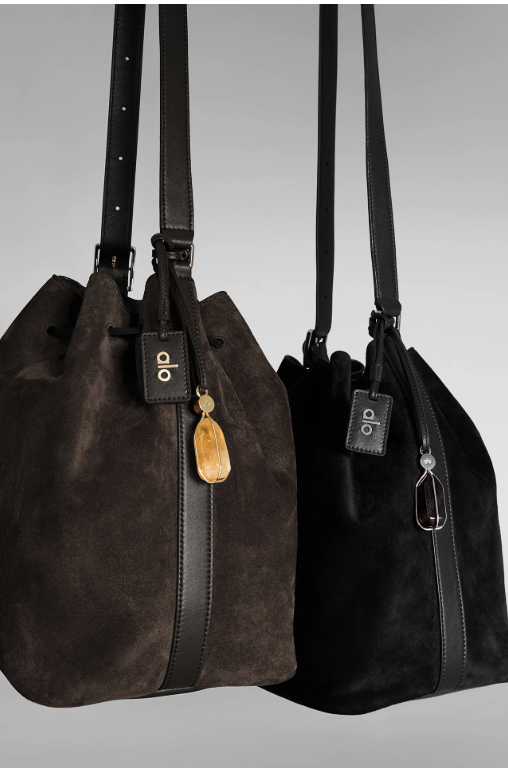
Image Credit: Alo
Health and wellness is a booming industry, worth approximately $6.3 trillion. Goop itself is worth $250 million, and Alo is worth around $10 billion. The marketing and messaging of many companies promoting wellness have continued to suggest that a healthy lifestyle is something achieved only through consumption. It is not about taking actionable steps in order to maintain a balanced lifestyle; rather, it is a who’s-who of brands and products that are available for purchase. Are you taking the right supplements? Are you doing the new juice cleanse? And now, are you carrying the new $3,600 crystal energizing bag?
The marketing is clear: health is an exclusive luxury, available to those willing to open their wallets. There is a heightened alluring aspect to health now, where making an expensive purchase equates to self-care. Alo’s Executive Vice President of Marketing and Creative, Summer Nacewicz, told Vogue while talking about their latest bags that “no two crystals are the same,” attempting to leverage the exclusivity of health and justify the price tag, deepening the illusion of personalized wellness.
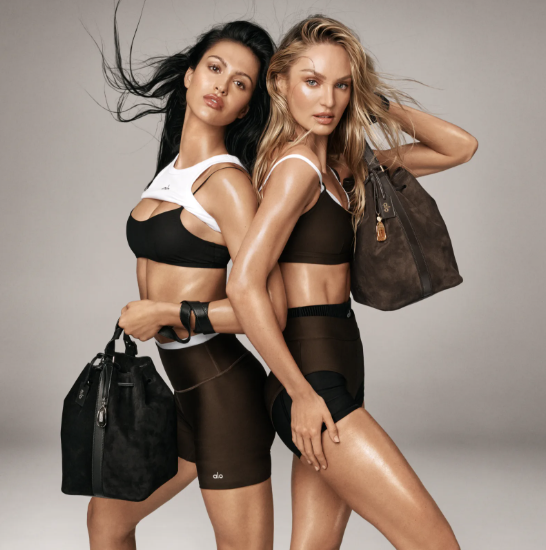
Image Credit: Alo
Additionally, the millions dumped into this campaign heighten the exclusive narrative around health. These iconic professionals at the top of their game— known for shooting magazine covers and for major fashion houses— are now fronting a yoga brand ad. The shift underscores society's obsession and persistence with what is deemed aspirational, rather than attainable.
This sentiment has rang true throughout human history; the more wealth one has privileges more access to a balanced lifestyle, where health and wellness are at the center. And under capitalism, health has merged with our society's toxic relationship with productivity.
By today’s standards, doing “nothing” means losing an opportunity, losing time, losing the chance to self-refine. Therefore, buying one’s way into wellness appears to be the best option. Perhaps the most logical. Therefore, Alo’s newest campaign is not about yoga, and it’s not about wellness. Rather, it promotes the ever-expanding and false promise of self-optimization. To answer Omondi’s question, it is not that we are not “well”, but rather we are never well enough.