The Timelessness of Nutcracker Season
By Natalie McCarty
There is truly nothing that pulls at my heartstrings quite like The Nutcracker. The lights dim, the orchestra tunes, the curtain rises, and suddenly time loosens its grip. I have known that feeling since childhood.
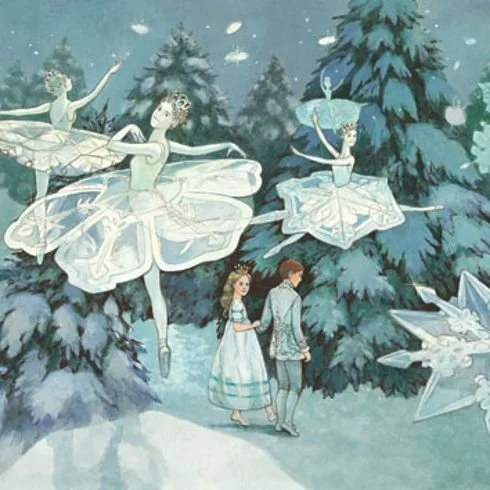
Image Sourced through Pinterest
I was a ballerina for seventeen years, and The Nutcracker became a season of my life that returned every winter, dependable and sacred. I danced it with Long Beach Ballet, and long after my pointe shoes retired, it never stopped living in my body. This year, as this piece goes live, I will be sitting in the audience at the Dolby Theater for the Los Angeles Ballet beside my mother, the same woman who spent all those years pulling my hair back into a bun, doing my makeup, buying me new tights, and getting me to twelve-hour rehearsals. From this seat, at this distance, I finally understand how many lives this ballet shapes, and how deeply personal its history has always been.
First performed in 1892 at the Mariinsky Theatre in St. Petersburg, The Nutcracker did not arrive as the phenomenon we now treat it to be. Tchaikovsky’s score was considered too complex for children; critics were lukewarm, and the ballet itself was fragmented, unusual, and more dream than narrative. Yet over time, The Nutcracker became something greater than its original reception. It evolved into a ritual, a winter pilgrimage that audiences return to year after year. It became a shared language that’s spoken fluently across generations of dancers and those who come simply to watch.
No matter how many times I see it, The Nutcracker always feels just as special as the first time.
There is magic in its structure, in the way it mirrors growing up. Act I opens in domestic warmth: a Christmas party, wrapped gifts, the hum of family gathered together. With Clara and the Nutcracker at the center, it captures the ache for innocence. Then the world shifts: the tree grows, mice invade, toys become soldiers, and the fantasy asserts itself and asks you to follow. It is the moment where imagination becomes tangible.
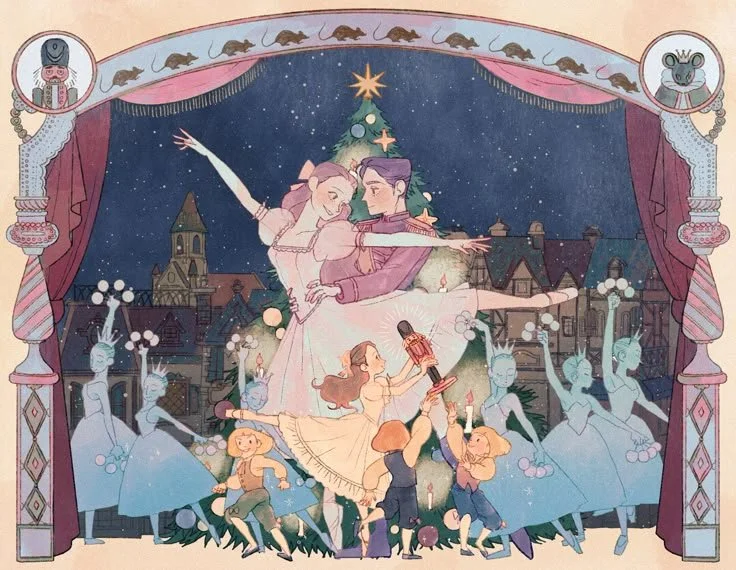
Image Sourced through Pinterest
Act II takes us somewhere else entirely. Clara is carried into a dreamscape of color, rhythm, and precision, where sweets and candies from around the world come to life through choreography that is both dreamy and exacting. To dance The Nutcracker is to learn endurance. It teaches you how to perform joy even when your feet hurt, how to find precision inside softness, how to hold stillness with intention. For many dancers, it is their first professional experience. For me, it was where I first developed my work ethic and learned how to care deeply about doing something well.
Ballet leaves its mark. You move through the world differently. You listen more carefully. You carry rhythm in your body. And The Nutcracker, more than any other ballet, anchors itself to memory. However the time may pass, the snow scene can still tighten your chest. In general, the score has this nostalgic power to bring you back to moments you didn’t realize you missed.
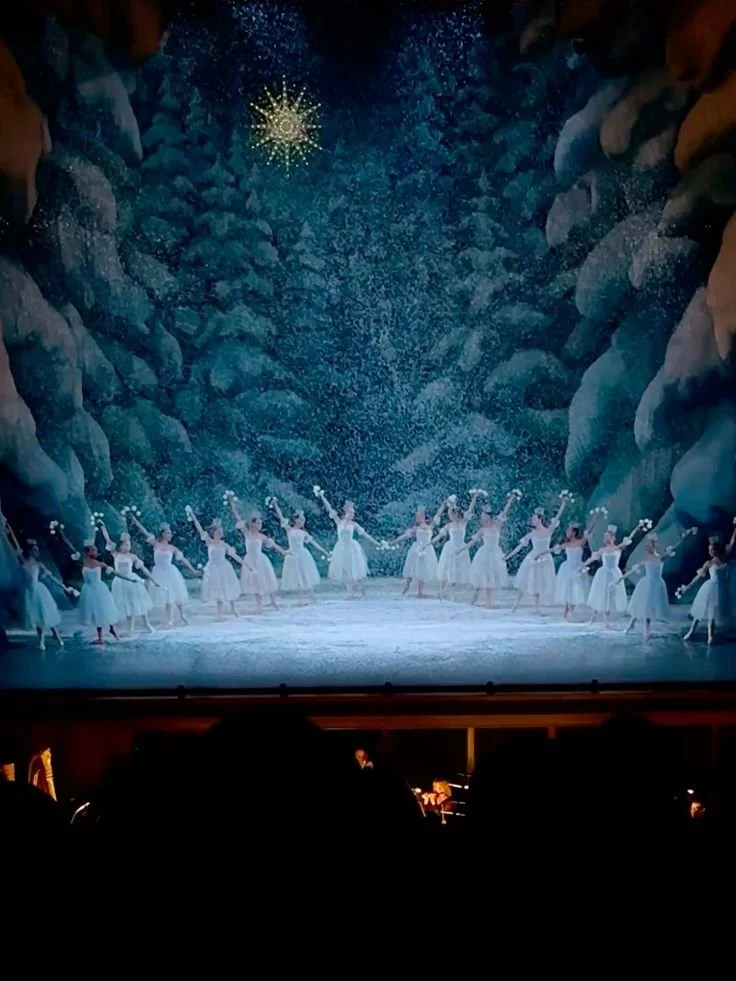
Image Sourced through Pinterest
What keeps The Nutcracker alive is not its refusal to change, but its ability to absorb it. Every production reflects its moment as casting evolves, choreography is reconsidered, and outdated elements are questioned and reshaped. What was once a narrow fantasy has widened, becoming more reflective of the people who return to it each winter.
Its place in culture has shifted, too. The Nutcracker is often a first encounter with ballet, and it belongs to people who have never danced as much as it belongs to those who have.
Watching it now, as someone who once danced it, is layered. You see the children onstage, but you also see yourself. You remember waiting in the wings, listening for your cue, heart racing, slippers too tight, makeup slightly smudged. You remember the exhaustion, the closeness, the pride of doing something so great (and so difficult) together.
The Nutcracker endures because it understands something essential: wonder is not childish; rather, it is necessary. And once it has lived in your body, it never really leaves. It waits for you to sit in the dark and remember who you were, and who you still are.