Unhappy Together: On Marriage, Stand-Up, and the Drifting of People in 'Is This Thing On?'
By Natalie McCarty
“People change, but love always stays the same.”
Courtesy of Searchlight Pictures
Life doesn’t announce when it’s about to alter you. It just does—quietly, incrementally—until one day everything collapses into a single, sobering realization. You take inventory of what’s happened to you: what you’ve lost, who you used to be, who you are now, and how far you’ve drifted from the person you once imagined becoming. You feel resentment and grief and, somehow, hope all at once.
Is This Thing On? begins exactly there, after the reckoning. As Alex and Tess Novak’s marriage gently—almost imperceptibly—unravels, the film resists spectacle in favor of something far more devastating: intimacy. There is no singular breaking point, no explosive confrontation. Just two people in middle age, standing amid the emotional debris of a shared life, trying to understand how love slipped out of sync.

Courtesy of Searchlight Pictures
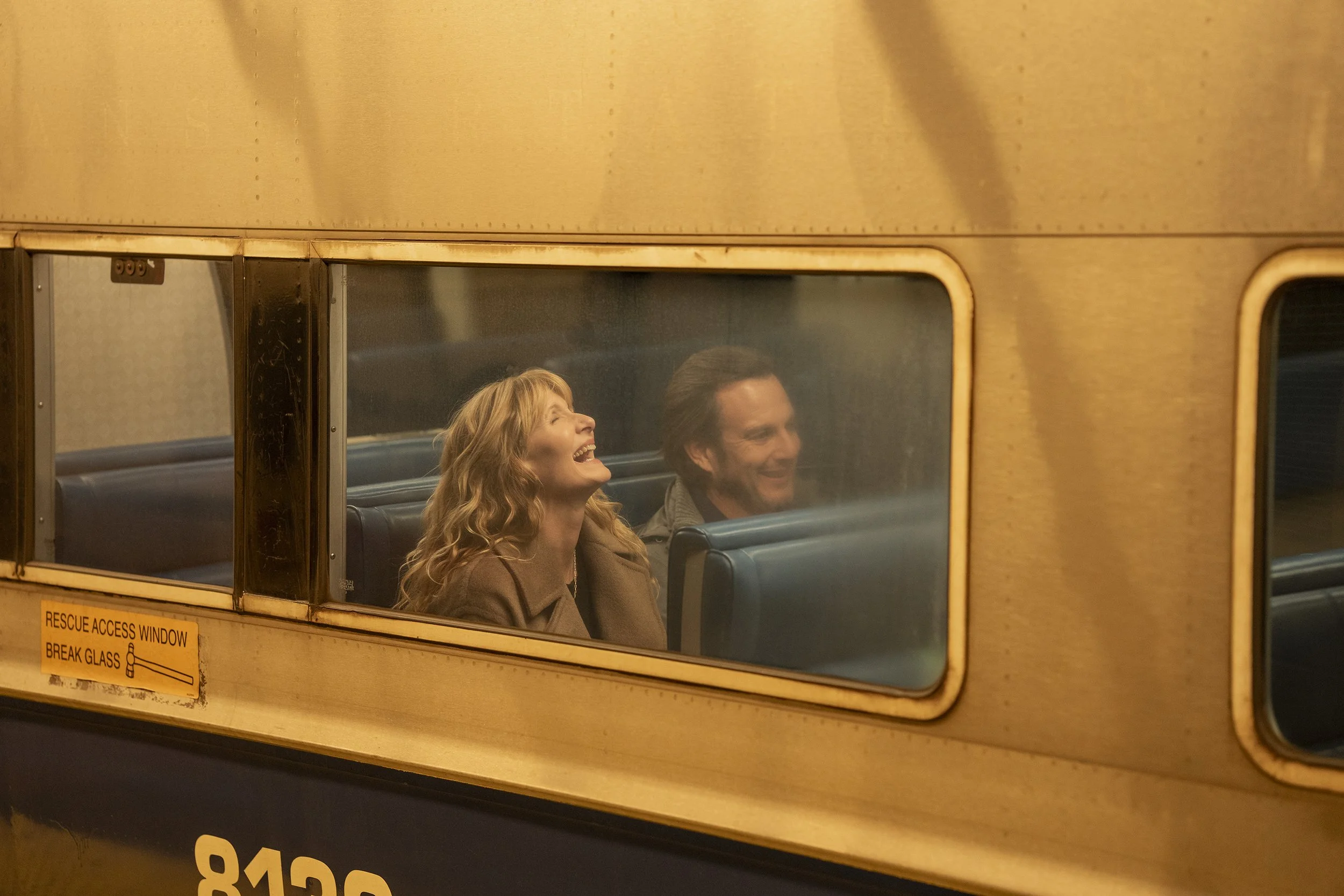
Alex Novak (played with remarkable nuance by Will Arnett) turns to the New York stand-up comedy scene in search of renewed purpose, while Tess Novak (Laura Dern, luminous and grounded) confronts the sacrifices she made for their family and the parts of herself she abandoned along the way. What follows is not a story about divorce so much as a story about identity: how we lose ourselves inside relationships, and whether love can survive if it’s allowed to evolve into something new.
Courtesy of Searchlight Pictures
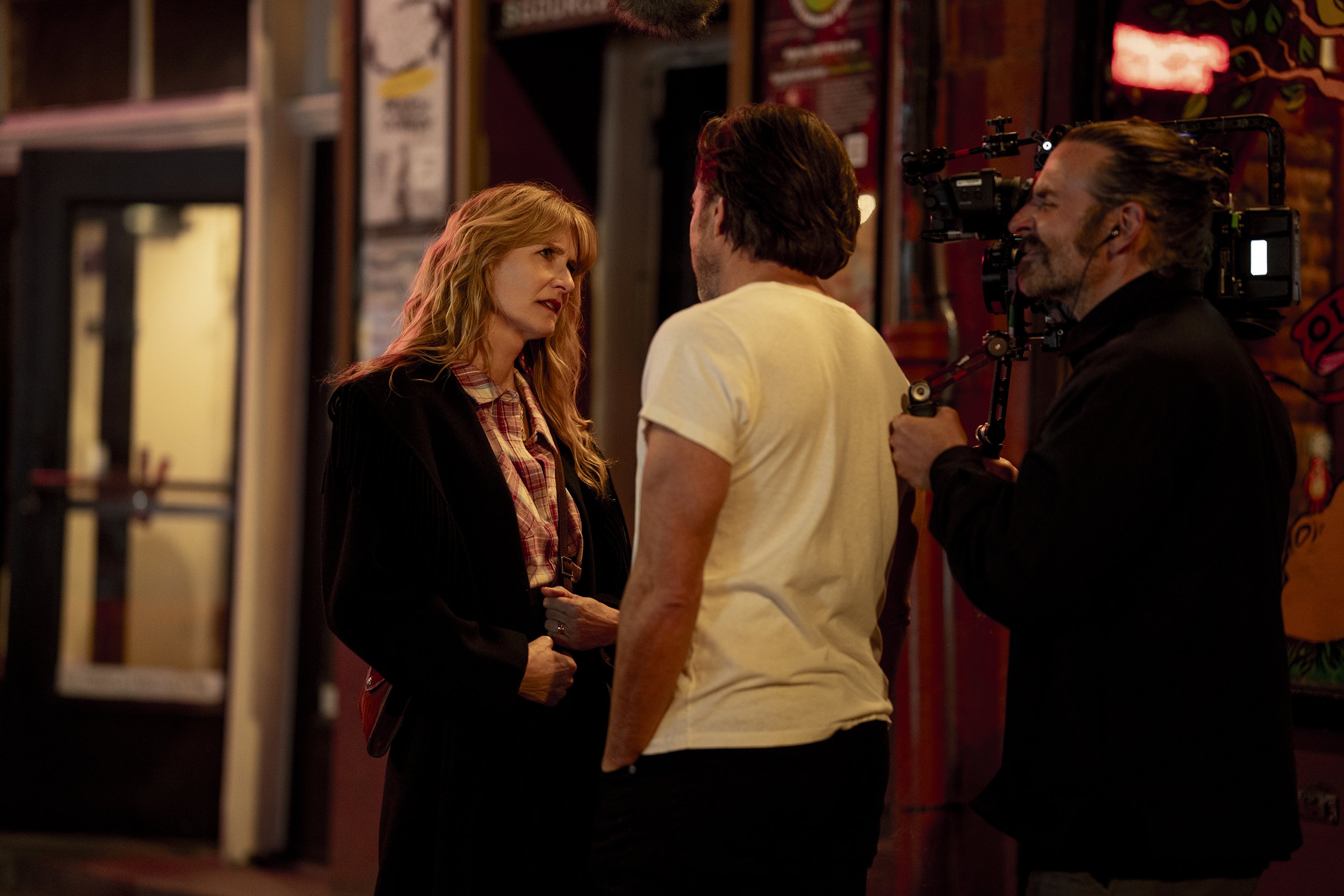
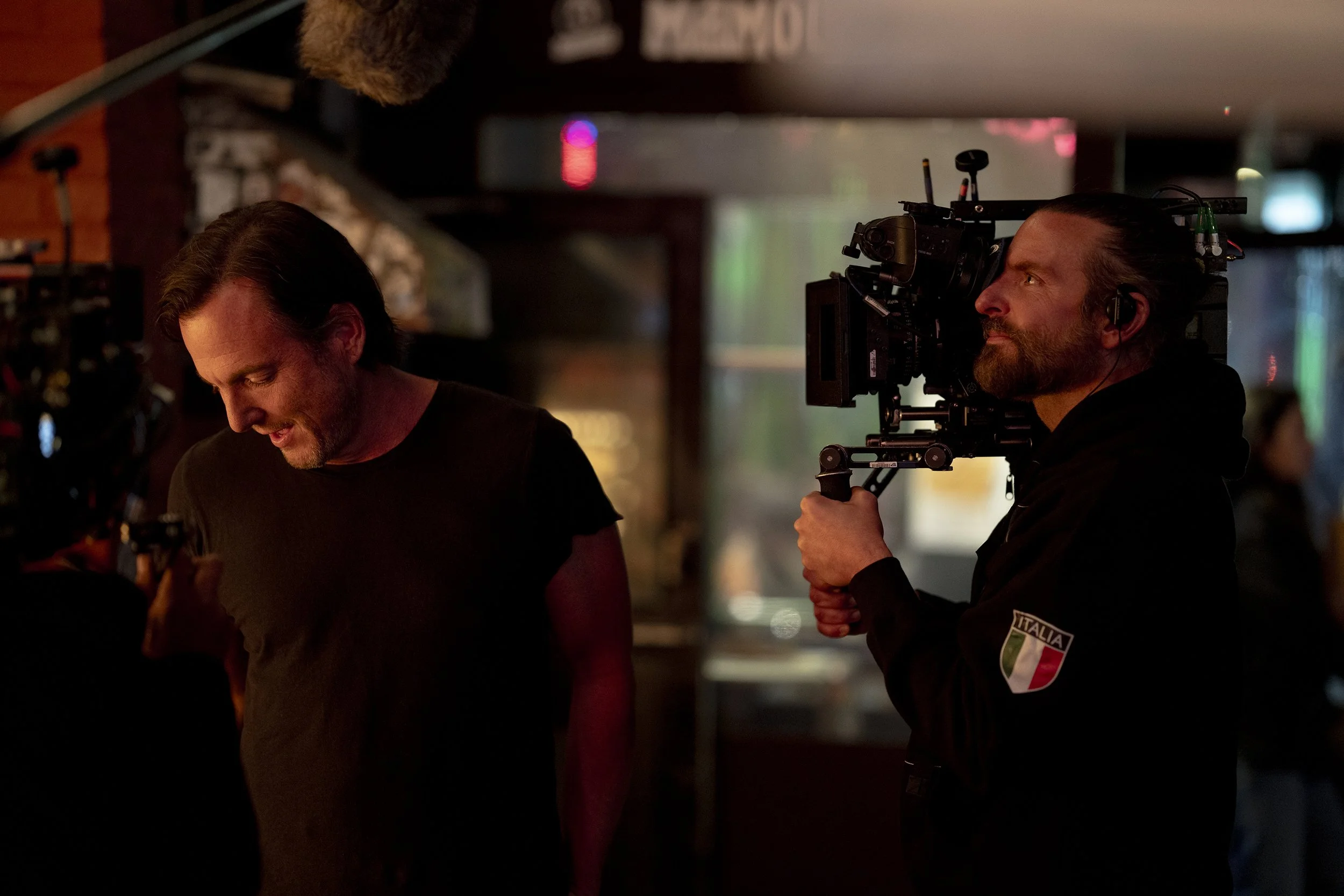
Directed by Bradley Cooper (who also appears as the scene-stealing, oddly tender character Balls), the film draws from a deeply personal place. The story is loosely rooted in an experience shared with Arnett by British comedian John Bishop, who once took to an open mic to process the pain of a marital separation, only to discover his wife sitting unexpectedly in the audience. That moment became the emotional spine of the film, reshaped by Cooper into something quieter and more expansive: a study of drift, near-misses, and the particular ache of loving someone you can no longer quite reach.
Courtesy of Searchlight Pictures
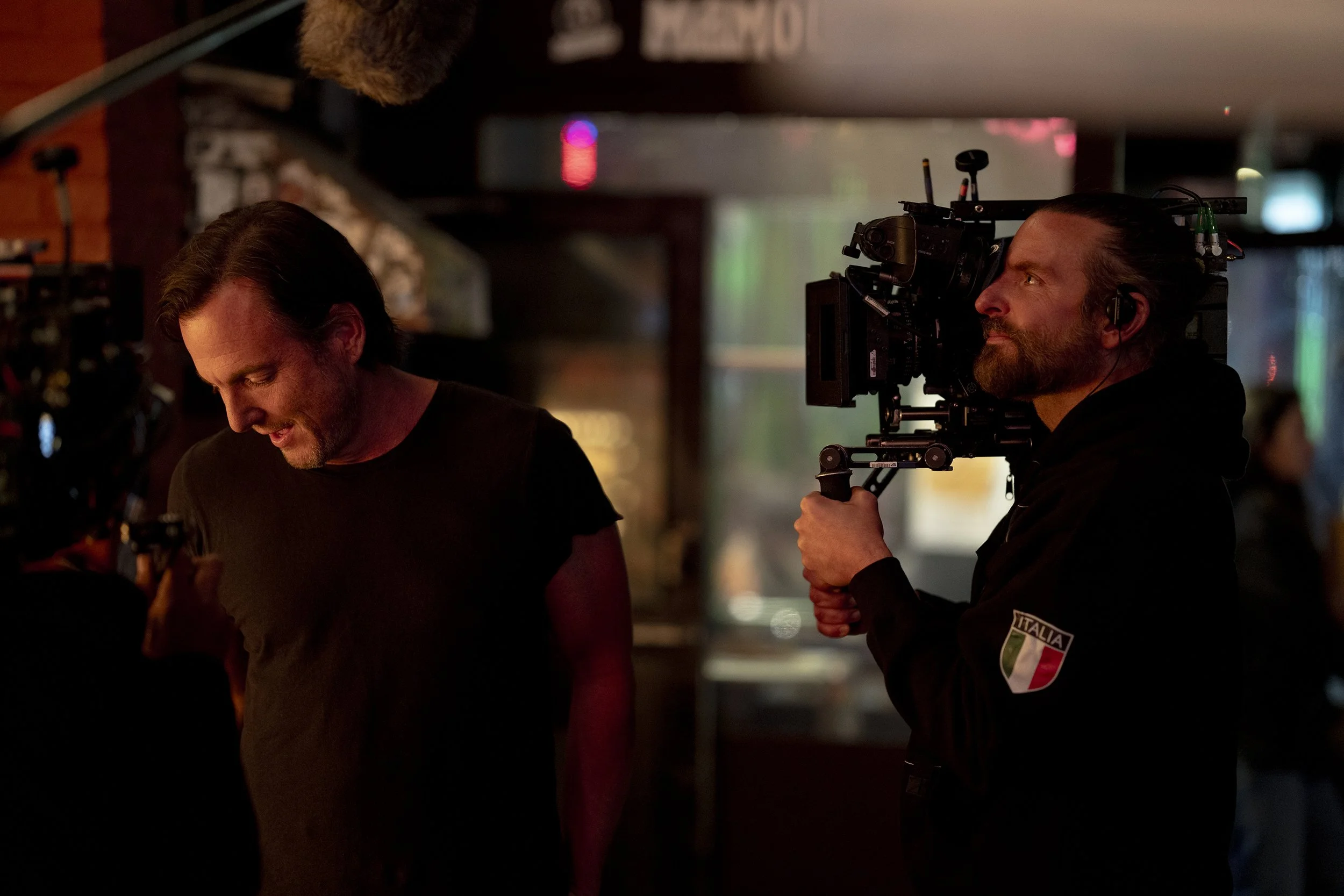
Crucially, Is This Thing On? has little interest in the mythology of stand-up comedy as triumph. Alex’s time onstage functions less as a career pivot and more as emotional triage, exposed, and often uncomfortable. To capture that truth, Arnett went up night after night, workshopping material in real rooms, in front of real audiences. Bombing, adjusting, occasionally succeeding, but that lived experience—the vulnerability of failure, the humility of starting from zero—seeps into the character. You feel it in Alex’s pauses, in his uncertainty, in the way humor becomes both shield and confession. It’s absolutely brilliant writing (kudos, Will!).
During the post-screening Q&A, Arnett reflected, “I realized I was on a parallel track… in doing this movie.” That parallel is palpable. By stepping away from acting in pursuit of a “result,” by releasing the pressure of wanting the film to be good, Arnett and Cooper, alongside him, arrive at something far rarer: work that feels honest rather than performative. The film breathes because it’s allowed to stay loose. It’s really touching, honestly.
Courtesy of Searchlight Pictures
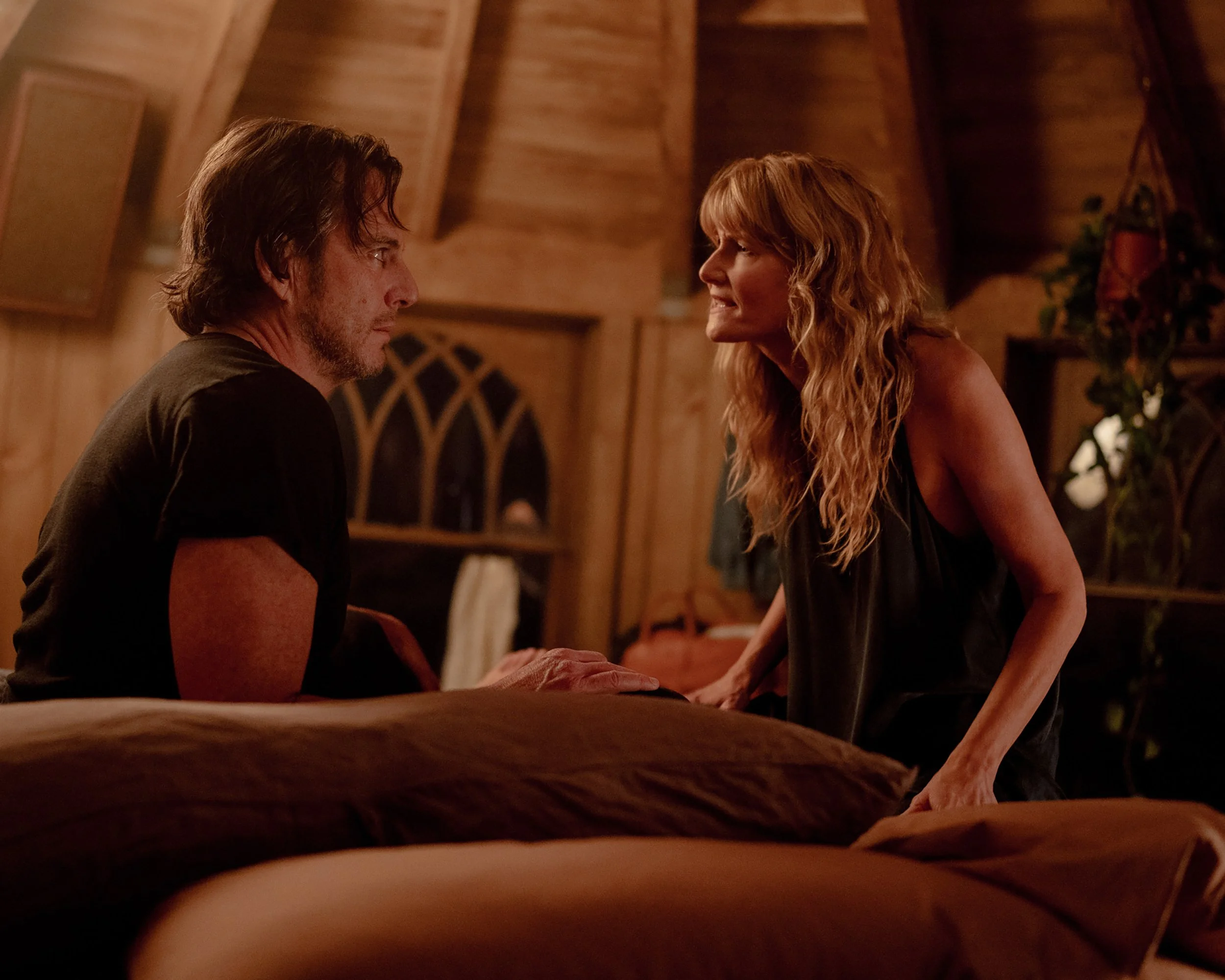
Writers Arnett and Mark Chappell intentionally repositioned the marriage as the film’s emotional center, with comedy serving as a foil rather than an endpoint. The result is an unconventional journey through the immediate aftermath of a relationship’s quiet disintegration. Alex and Tess aren’t unhappy with each other, exactly; they’re unhappy inside their marriage. They process that realization separately—Alex through stand-up, Tess through reconnecting with an athletic passion long left behind, until they’re forced to ask whether reconnection is possible without returning to who they once were.
Courtesy of Searchlight Pictures
At times, the film’s restraint borders on hesitation. There are moments where Is This Thing On? feels so committed to observation that it resists digging just a little deeper, particularly within Tess’s interior world. Dern brings extraordinary gravity to the role, but the script occasionally withholds from her the same narrative looseness afforded to Alex’s journey. It’s less a flaw than a reflection of perspective: empathetic, deeply felt, but slightly asymmetrical.
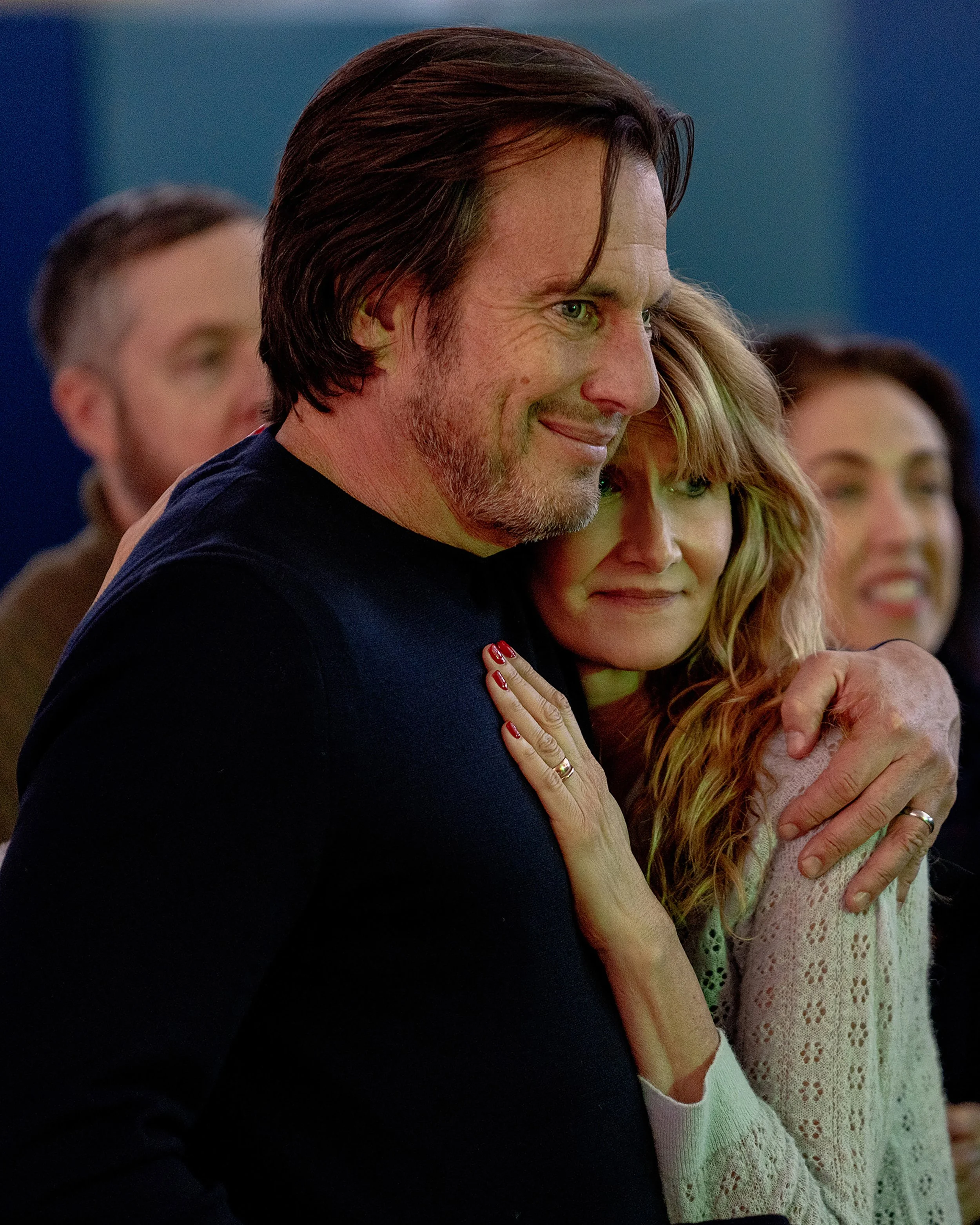
Then, a line lands with devastating clarity: “I want to be unhappy with you.”
It’s a resignation and an admission that love doesn’t promise ease, only proximity. That staying isn’t always about happiness, but about choosing whose discomfort you’re willing to sit inside.
Courtesy of Searchlight Pictures
Whenever “Under Pressure” begins to play, I know I’m in good hands. While nothing may ever eclipse the needle drop in Aftersun, this comes astonishingly close. The song arrives weighted by everything that’s gone unsaid, by years of compromise and quiet erosion, until it finally exhales, releasing the characters into whatever comes next.

Courtesy of Searchlight Pictures
As the credits roll, Is This Thing On? doesn’t offer closure so much as permission: to accept that love can be real even when it no longer resembles what you imagined. That growth doesn’t always arrive with relief. And that sometimes, the most honest version of a relationship isn’t the one that lasts forever, but the one that finally tells the truth before it ends.